SPECIFYING
Specifying Interior Materials Across Five Markets.
East Africa, the Gulf, Europe, Australia and Southeast Asia: five climates, five failure modes, and how to read a BOQ so the material you specify is the material you get.
East Africa, the Gulf, Europe, Australia and Southeast Asia: five climates, five failure modes, and how to read a BOQ so the material you specify is the material you get.
The same marble, lacquer or timber behaves completely differently in Nairobi, Dubai, London, Sydney and Jakarta. A specification that is flawless in one market is a warranty claim in another. Across our interior projects in all five, the failures cluster around the same patterns — here is what we watch for in each region, and how a well-read BOQ keeps you honest.
Coastal and lakeside humidity drives swelling and mould in any unsealed MDF, and termite pressure rules out exposed softwood. We specify sealed MR-MDF or plywood carcasses, aluminium kicks, and finishes that survive intermittent power (so no moisture-sensitive curing on a tight programme). The look is warm and residential; the engineering underneath has to be tropical.
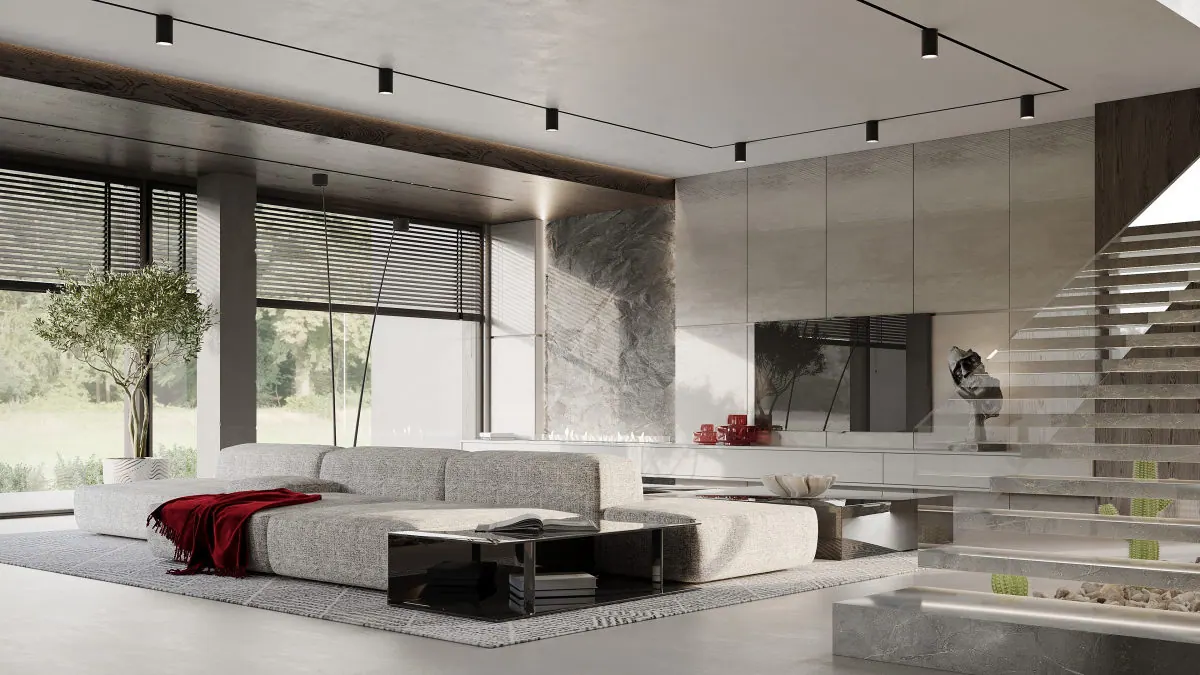
Dry heat is kind to timber but brutal to anything that traps dust or shows a fingerprint. Lacquer and veneer perform beautifully here — provided the workshop is climate-controlled and the panels are acclimatised before finishing. The failure mode is micro-cracking from rapid temperature swing between a 24°C interior and a 50°C loading bay; we acclimatise on site for 48 hours before fitting.
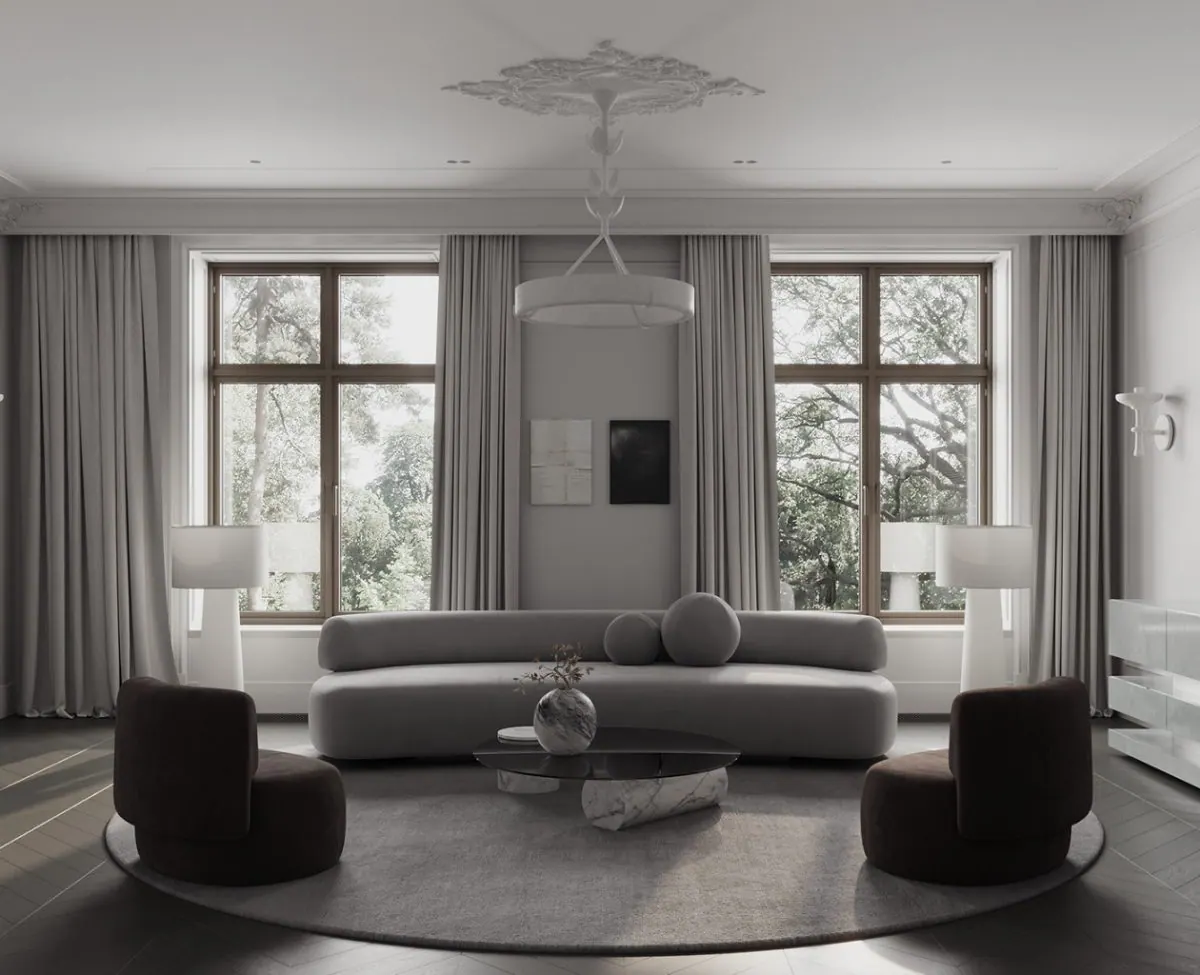
Continental Europe swings from central heating in January to humidity in July. Solid timber moves; veneer on a stable plywood carcass barely does. We detail movement joints at long runs and avoid full-height solid-wood doors that will bind by year two. The brief here is often heritage-adjacent, so the finish has to read authentic while the substrate does the structural work.
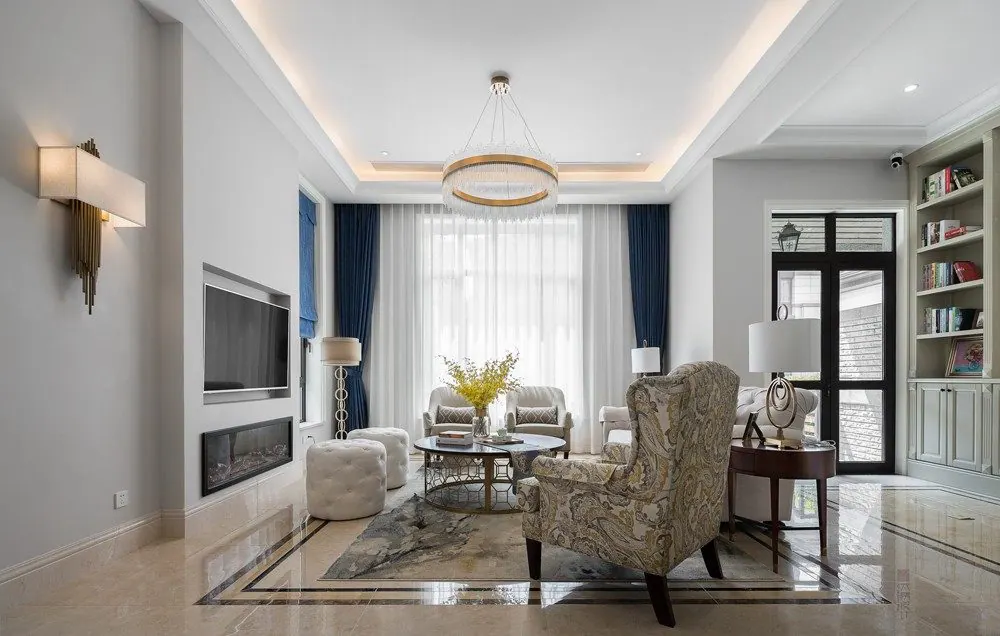
Coastal Australian projects demand marine-grade fixings on any exposed metal and a Bushfire Attack Level (BAL) rating on materials near the perimeter. We specify non-combustible substrate and stainless hardware as standard, and document the rating in the BOQ so certification is straightforward. The aesthetic is relaxed and light; the compliance underneath is non-negotiable.
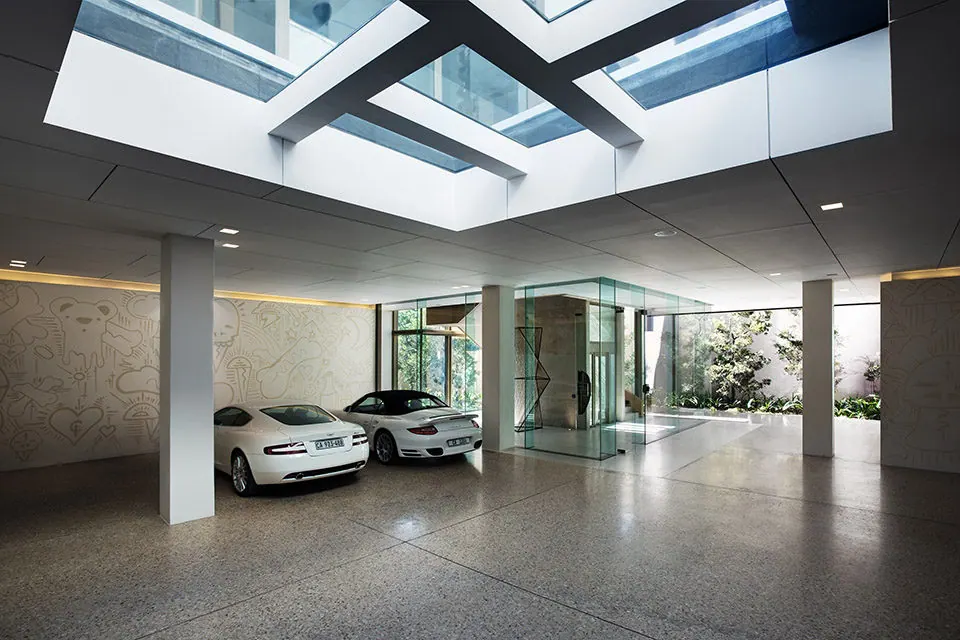
The region's combination of year-round heat and monsoon spikes makes trapped moisture the enemy. Every carcass edge is sealed, every plinth is aluminium, and we ventilate behind any wall-hung run. The winning materials are quartz benchtops, sealed lacquer and metal accents — all non-porous and quick to dry. Porous stone near a wet zone is the classic monsoon failure we are asked to replace.
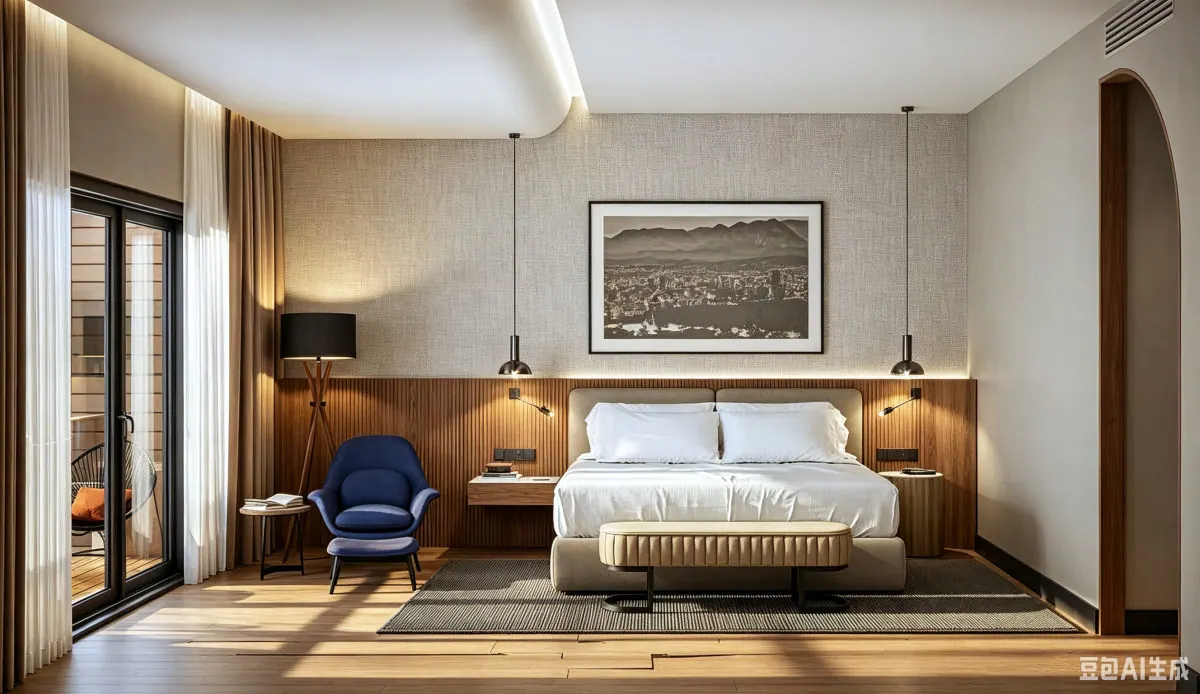
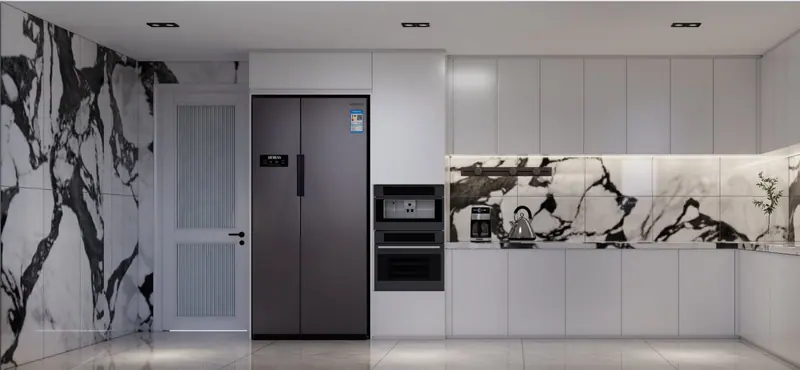
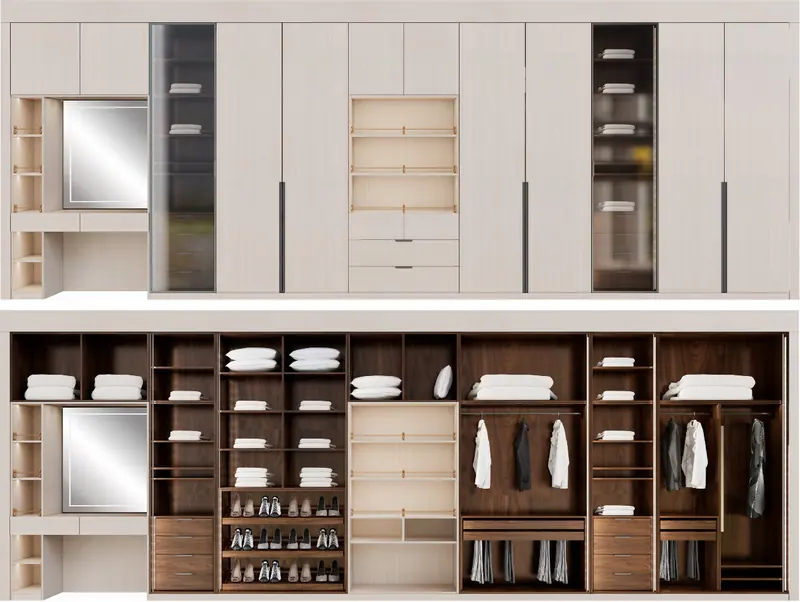
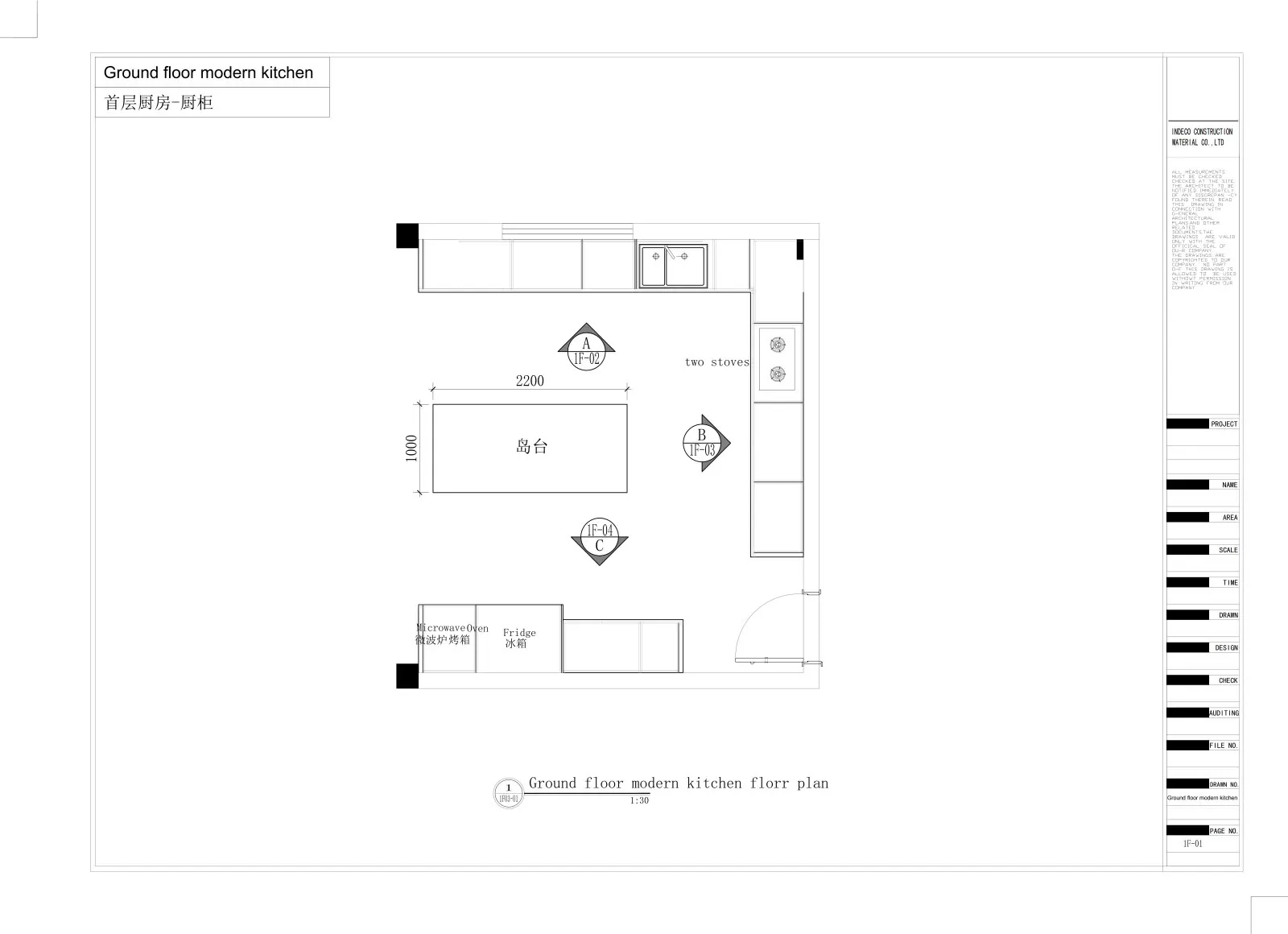
A BOQ is only as good as its detail. We always call out: substrate grade (MR-MDF vs plywood), edging method, metal finish and fixing grade, and — critically — the exclusions. A line that reads “cabinetry, supply and install” without substrate or fixing detail is an open invitation to a cheaper substitution. The drawing below is how we document a kitchen: every panel, every edge, every fixing, so the workshop and the site cannot quietly downgrade it.
Tell us the location and the room. We return a climate-appropriate material schedule and a detailed BOQ with lead times — typically within one working day. Read the companion materials guide or the installation guide, or browse our completed projects.
Request a Material Schedule →