Glass & Glazing for Hot Climates: SHGC, Low-E, Safety
Published: October 16, 2026
Specifying glass for Africa and the Gulf is not about how clear it looks. It is about how much sun it lets in as heat, and what happens when it breaks. Here is the spec language that decides comfort, energy and safety.
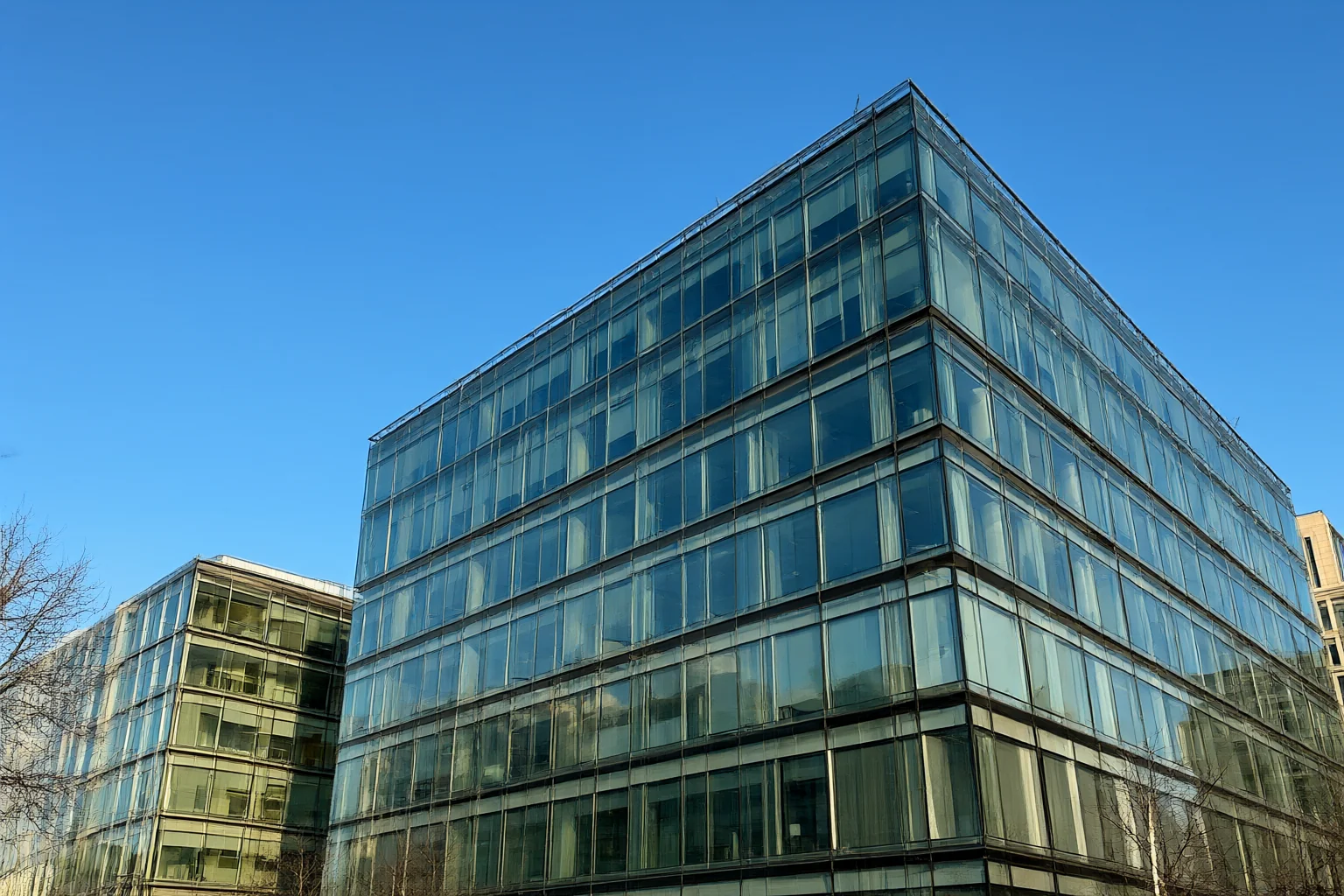
Glass is the weakest thermal link in most hot-climate buildings. A wall might hold an R-value; a pane lets the sun pour straight through as heat. On African and Gulf sites where cooling loads dominate the energy bill, the difference between a good and a bad glazing spec is measured in degrees and in the size of the compressor behind the wall. This guide covers the four numbers that matter — SHGC, U-value, visible transmittance and acoustic rating — and the safety rules that decide whether glass must be tempered or laminated. For the frames those panes sit in, see our Aluminium Windows & Doors for Hot Climates guide.
1. Solar heat gain: the number that decides comfort
The single most important glazing metric in a hot climate is the Solar Heat Gain Coefficient (SHGC). It runs from 0 to 1 and tells you what fraction of incident solar radiation enters the room as heat. Clear single glass sits around 0.70–0.86 — almost all the sun's heat comes straight through. A tinted or reflective pane drops to 0.40–0.55. A double-glazed unit with a soft low-E coating and argon fill reaches 0.25–0.30.
Lower is not always better: a hospital ward or a shopfront still needs daylight, and the second metric — Visible Transmittance (VT) — tells you how much light gets through versus heat. A good hot-climate target is SHGC 0.25–0.35 paired with VT 0.40–0.55, so you keep useful daylight while shedding most of the thermal load. The third number, the U-value (W/m²K), governs conductive heat flow: single glazing is about 5.8, a basic double unit about 2.8, and a double low-E argon unit near 1.6. Triple glazing pushes below 1.0 but is rarely justified where cooling — not heating — dominates.
| Glazing configuration | SHGC | U-value (W/m²K) | VT | Best use in hot climates |
|---|---|---|---|---|
| Clear single (6 mm) | 0.70–0.86 | ~5.8 | 0.78–0.90 | Internal partitions only — never sun-facing facades |
| Tinted / reflective single | 0.40–0.55 | ~5.4 | 0.30–0.55 | Shopfronts where daylight is secondary |
| Double, clear IGU | 0.60–0.70 | ~2.8 | 0.70–0.80 | Mild climates; weak solar control |
| Double low-E argon | 0.25–0.35 | ~1.6 | 0.40–0.55 | Default for Africa & Gulf facades |
| Triple low-E argon | 0.20–0.30 | ~0.8–1.0 | 0.35–0.50 | Cold or high-acoustic sites only |
2. Low-E coatings and double versus triple glazing
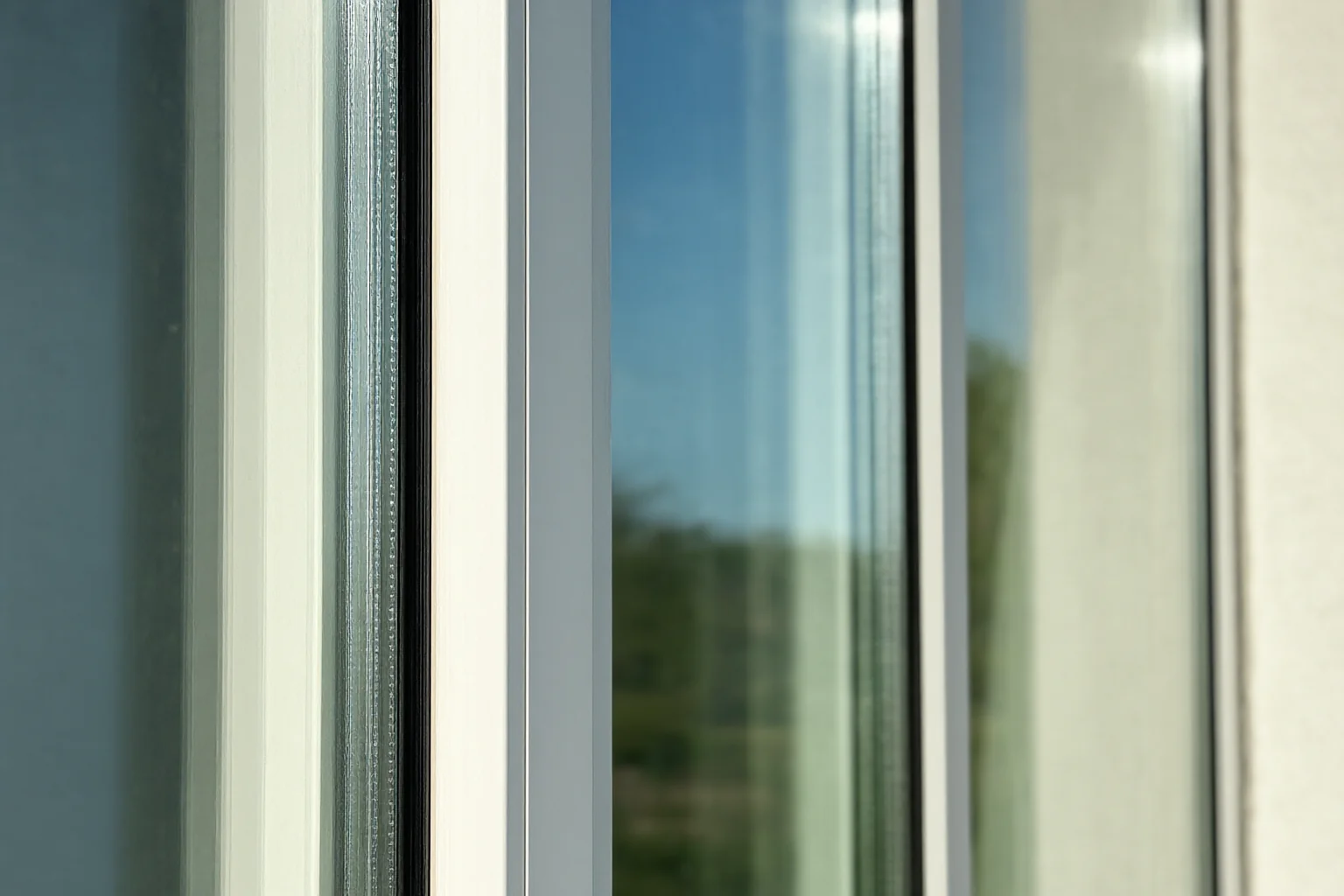
A low-E (low emissivity) coating is a microscopic metal-oxide layer — often silver — sputtered onto one glass surface inside the insulating unit. It reflects long-wave infrared heat, so the sun's warmth bounces off instead of conducting in. Soft-coat low-E applied to the #2 or #3 surface of a double unit is the standard hot-climate choice; it is what takes a double pane from SHGC 0.65 down to 0.28 without darkening the room.
For double versus triple, the answer for almost every African and Gulf project is double. A double low-E argon unit already delivers the U-value and SHGC most cooling-dominated buildings need. Triple glazing adds a third pane, a second cavity and roughly 50 percent more glass weight the frame must carry — relevant to the structural steel and frame sizing we set out in the Structural Steel East Africa guide. It only earns its cost on cold-climate sites or where acoustic separation is extreme. Pair the glazing with a correct roof and wall strategy — our Roofing Materials for Hot & Tropical Climates guide covers the envelope around the glass.
3. Safety glass: tempered versus laminated
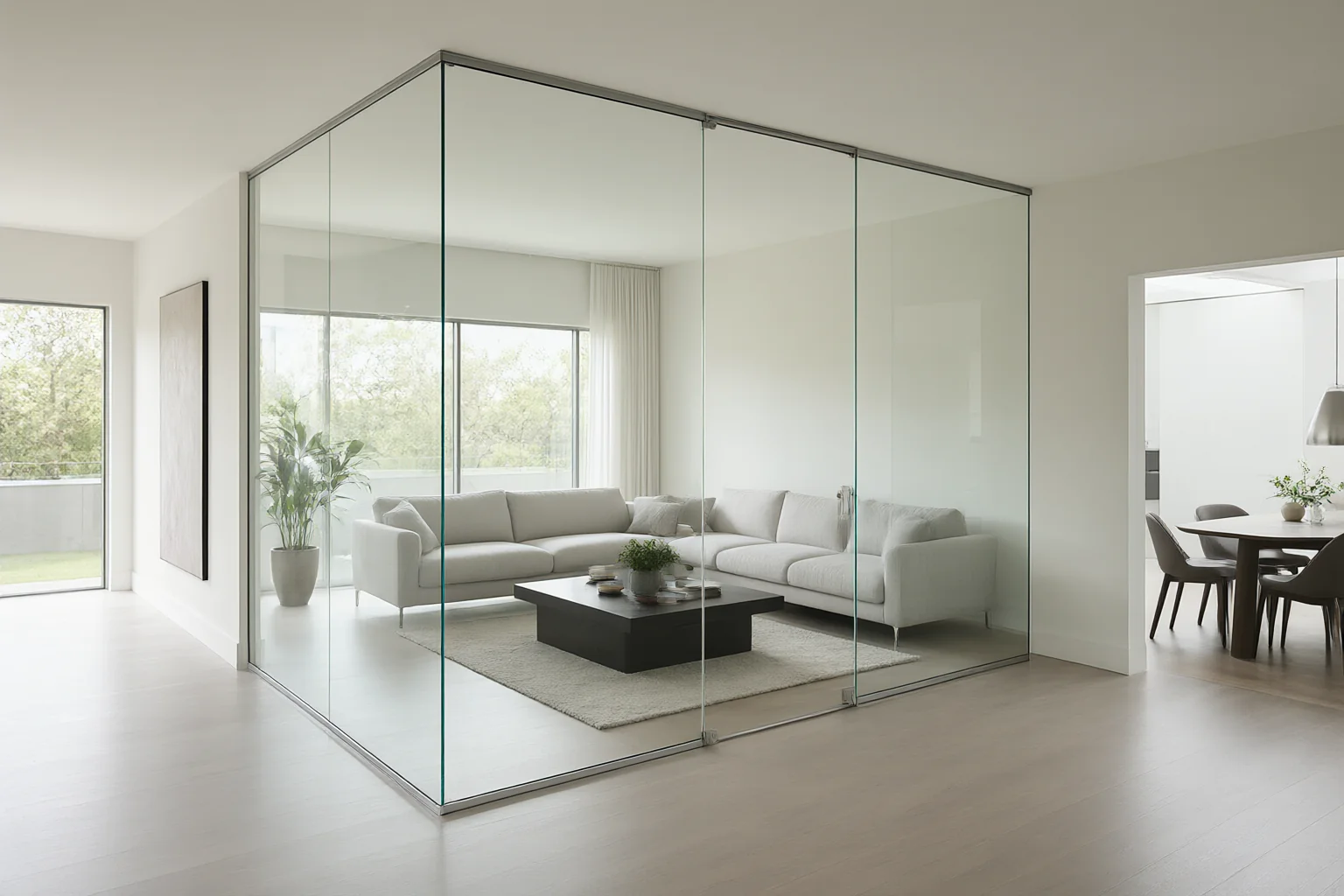
Most glazing codes — including the EN 12600 and the broadly adopted regional variants across the Gulf — require safety glass anywhere a person can walk into it or fall through it: any pane within 800 mm of a door, full-height partitions, balustrades, overhead and large facade panels. Two products cover this. Tempered glass is heated to about 620°C then quenched, making it roughly four times stronger than annealed glass; when it fails it shatters into small blunt pebbles rather than shards. It is the default for window and door lights.
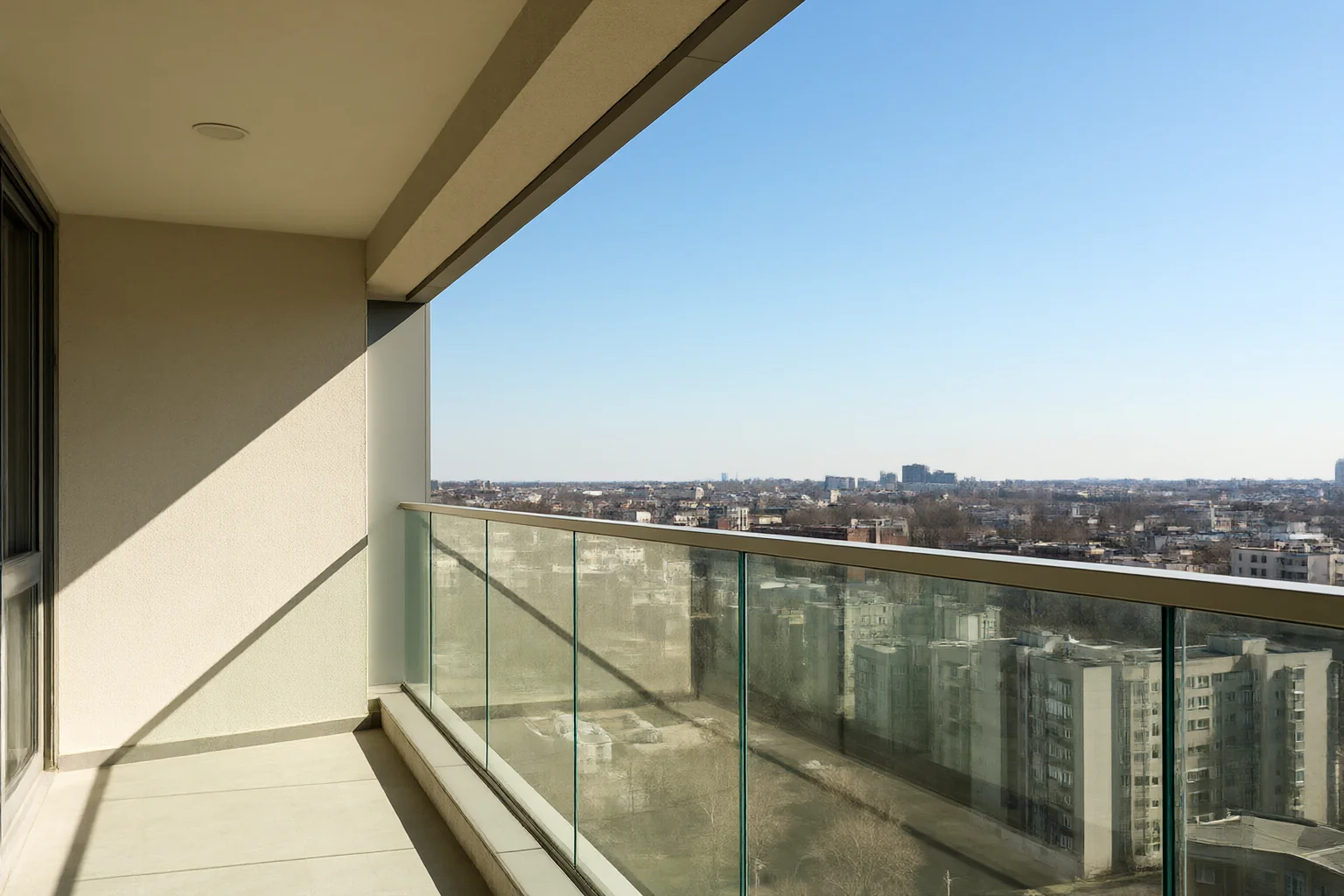
Laminated glass bonds two panes with a 0.38 or 0.76 mm PVB interlayer. When struck, the glass cracks but stays bonded to the interlayer and hangs in the frame — which is why balustrades, skylights and overhead glazing should be laminated, not merely tempered. The interlayer has two bonuses: it blocks up to 99 percent of UV (protecting the interiors in our Whole-House Material Packages) and it lifts acoustic performance, covered next. Typical laminated builds are 6.38 mm (3+0.38+3) up to 10.38 or 12.38 mm for balustrades.
- SHGC — target 0.25–0.35 for sun-facing facades; never specify clear single glass outward.
- U-value — double low-E argon at ~1.6 W/m²K; only go triple for cold or high-noise sites.
- Visible Transmittance — keep 0.40–0.55 so daylight survives the solar control.
- Safety grade — tempered for windows/doors, laminated for balustrades, overhead and full-height partitions.
- Acoustic rating — name STC when the site backs onto a busy road, airport or market.
4. Noise, UV and the full hot-climate schedule
Glass also sets how loud and how faded a room gets. Acoustic performance is measured as Sound Transmission Class (STC). Clear single glass sits around STC 30; a laminated pane with a 0.76 mm PVB interlayer lifts that to roughly STC 35–40, a meaningful drop next to busy Nairobi, Lagos or Dubai roads. The same interlayer blocks up to 99 percent of UV, the wavelength that greys finishes and floors — a real consideration when specifying the interior package. For dusty, high-UV sites, low-iron (ultra-clear) glass with iron below 0.015 percent also cuts the green tint you see on thick edges, though it costs more than standard clear.
A complete hot-climate schedule names all five values above, the glass make-up (e.g. 6 mm low-iron + 12 mm argon + 6 mm low-E, laminated where required) and the frame system that carries it. Get the five numbers right and the cooling plant shrinks; get them wrong and you pay for it every month the compressor runs. The table below is the one-page reference we hand to specifiers.
| Property | Target | Why it matters here |
|---|---|---|
| SHGC | 0.25–0.35 | Cuts cooling load on sun-facing facades |
| U-value | ~1.6 W/m²K (double low-E argon) | Limits conductive heat through the pane |
| Visible Transmittance | 0.40–0.55 | Keeps daylight while controlling heat |
| Safety glass | Tempered + laminated where required | Code compliance and fall-through protection |
| Acoustic (STC) | 35–40 with laminated PVB | Noise control on busy urban sites |
Specifying glass for your Africa or Gulf project?
Send the facade orientation, the rooms behind the glass and the noise environment. We return a glazing schedule with SHGC, U-value, VT, safety grade and STC named — matched to the right aluminium frame system and delivered to your port.
Get a Glazing Schedule →Frequently asked questions
What is the most important glass specification for hot climates?
Solar Heat Gain Coefficient (SHGC). It measures how much solar radiation passes through the glass as heat, on a 0–1 scale. In hot, sunny Africa and Gulf sites a low SHGC of 0.25–0.35 with a low-E coating cuts cooling loads far more than shading the glass after it is already in the building. Clear single glazing sits near 0.70–0.86; a double low-E argon unit reaches 0.25–0.30.
Is double or triple glazing better for Africa and the Middle East?
For almost all African and Gulf projects, insulated double glazing (IGU) is the right answer. A double low-E argon unit delivers a centre-of-glass U-value near 1.6 W/m²K and SHGC around 0.28, enough to tame heat without the weight, cost and condensation risk of triple glazing. Triple glazing only pays back in cold-climate or high-acoustic sites, and it adds roughly 50 percent to the glass weight a frame must carry.
When must glass be tempered or laminated?
Any glass within 800 mm of a door, in a full-height partition, in a balustrade, or in a large facade panel must be safety glass. Tempered glass is four times stronger than annealed and breaks into blunt pebbles; laminated glass bonds two panes with a PVB interlayer so it stays in the frame when struck and blocks about 99 percent of UV. Balustrades and overhead glazing should be laminated; most window and door lights are tempered.
Does glass choice affect noise and UV inside the building?
Yes. Laminated glazing with a 0.76 mm PVB interlayer lifts the sound reduction to roughly STC 35–40, useful next to busy Nairobi, Lagos or Dubai roads, while clear single glass sits near STC 30. The same interlayer blocks up to 99 percent of UV, protecting furniture and finishes — relevant to the interior material choices in our whole-house material packages.