MATERIAL GUIDE
Choosing the Right Flooring for Tropical Climates.
Moisture, heat and heavy daily use: how to spec flooring that still looks new after five monsoon seasons.
Moisture, heat and heavy daily use: how to spec flooring that still looks new after five monsoon seasons.
In villas and resorts across East Africa, the Gulf, Southeast Asia, Australia and the Pacific, flooring fails long before furniture does. The cause is rarely wear — it is moisture movement, UV exposure and unsuitable substrates. In our From Concept to Completion process, flooring is the first material decision we lock, because every door height, skirting detail and furniture leg depends on it. Here is the decision framework we use with our own project clients.
Coastal slabs hold moisture for months after pouring. Installing rigid boards over an uncured slab leads to cupping and edge-lift within the first rainy season. We require a moisture test before any flooring order is confirmed, and recommend SPC (stone-plastic composite) cores for ground floors because they are dimensionally stable at up to 100% relative humidity. For suspended upper floors with good ventilation, engineered wood becomes viable, but only after the slab has dropped below the manufacturer’s equilibrium threshold.
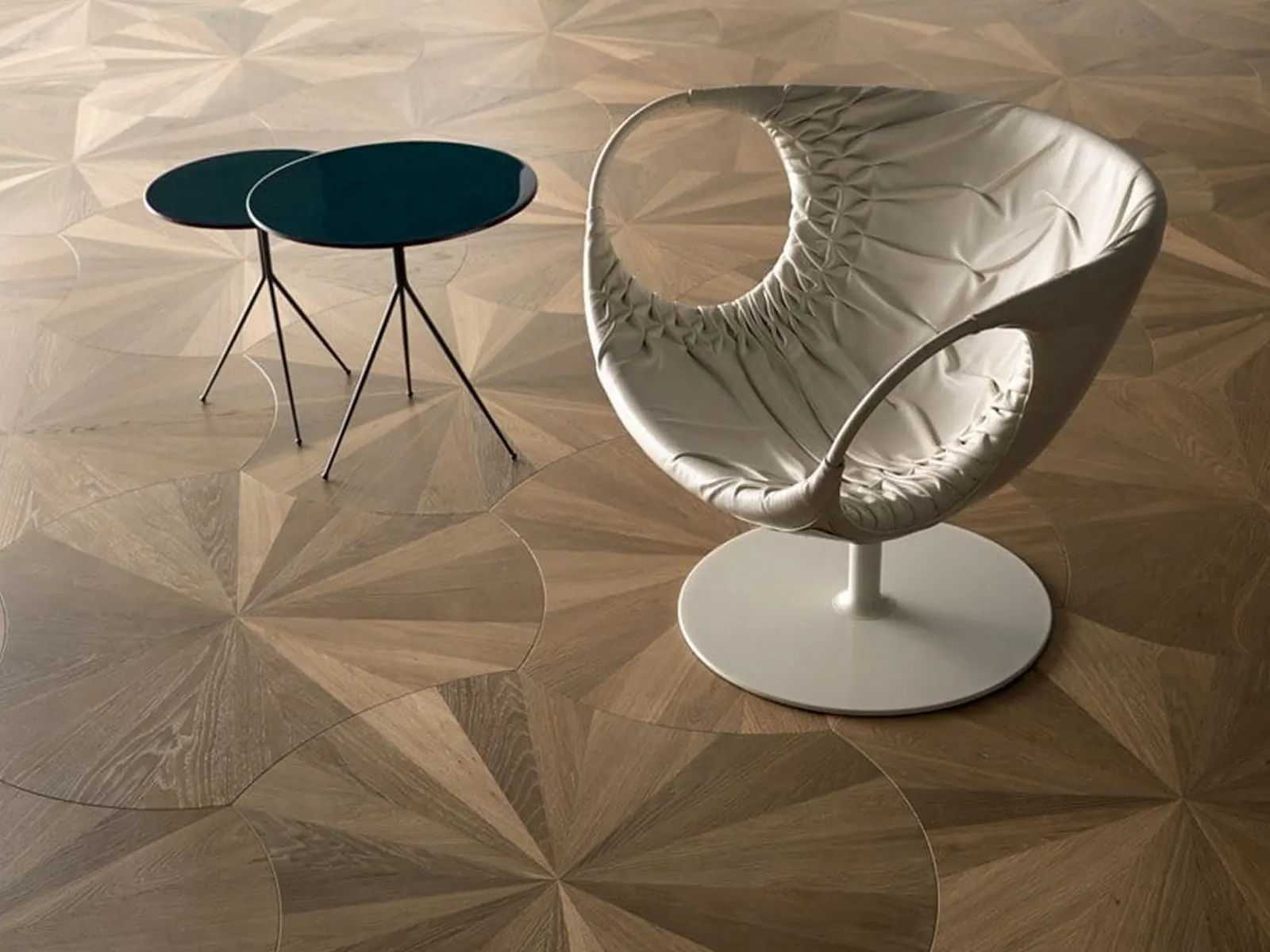
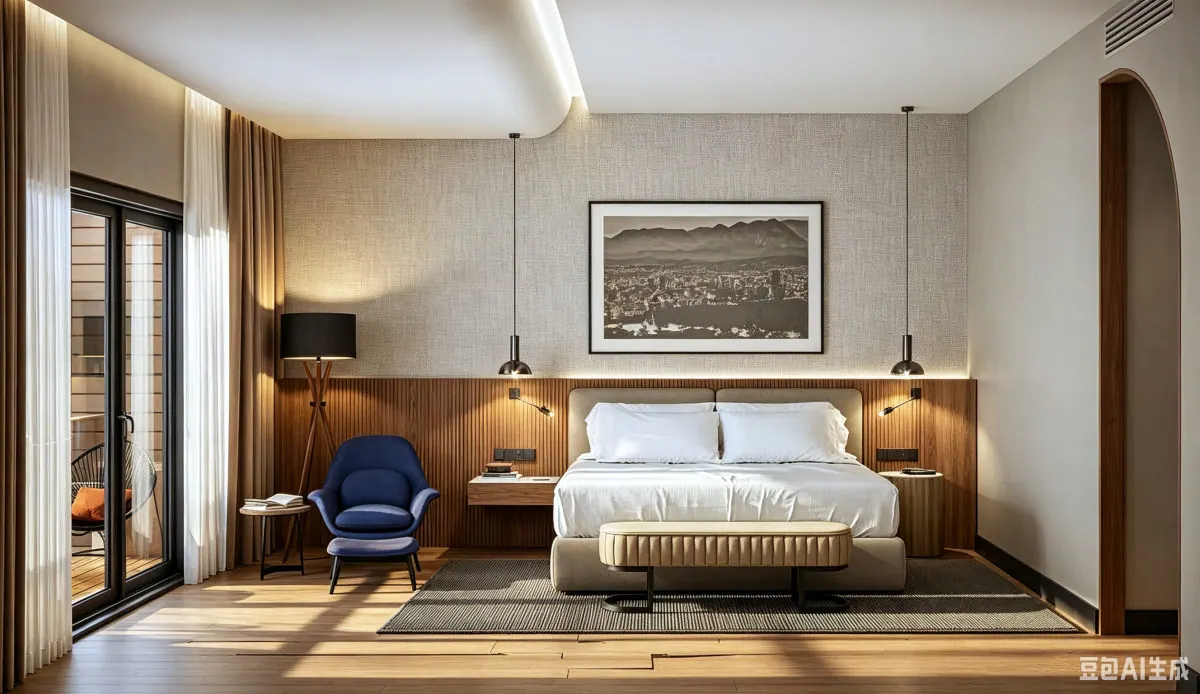
Solid hardwood moves. In humid interiors, a multi-layer engineered plank with a 3–4mm hardwood wear layer gives you the same look with a fraction of the expansion. For bedrooms and lounges we typically specify engineered oak or teak-look planks with a UV-cured lacquer that resists fading from strong equatorial light. The key detail is the expansion gap: leave it at perimeter walls and cover with matching skirting, or the floor will buckle when the humidity swings 40% between seasons.
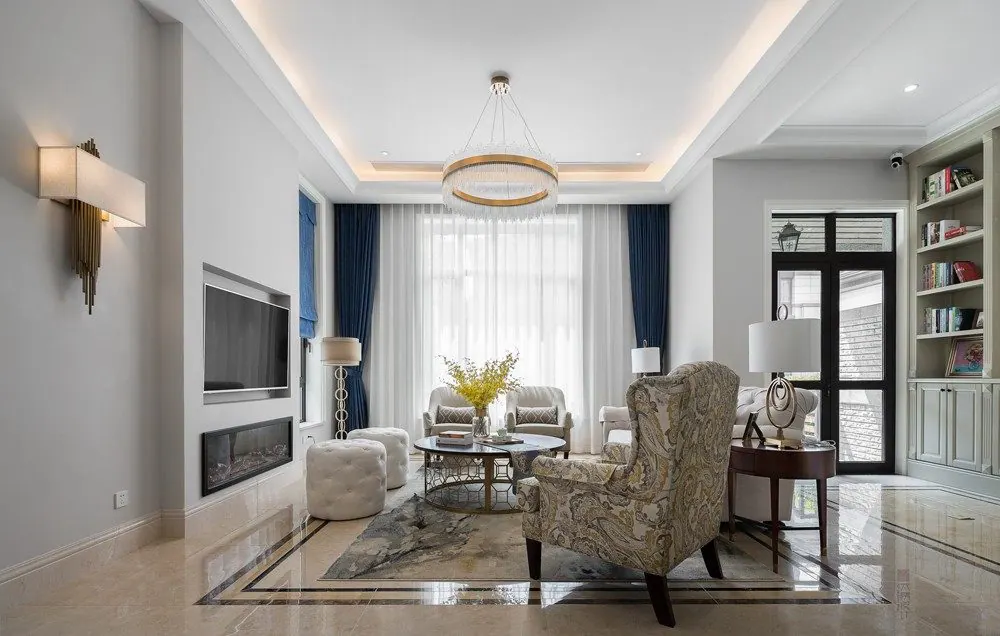
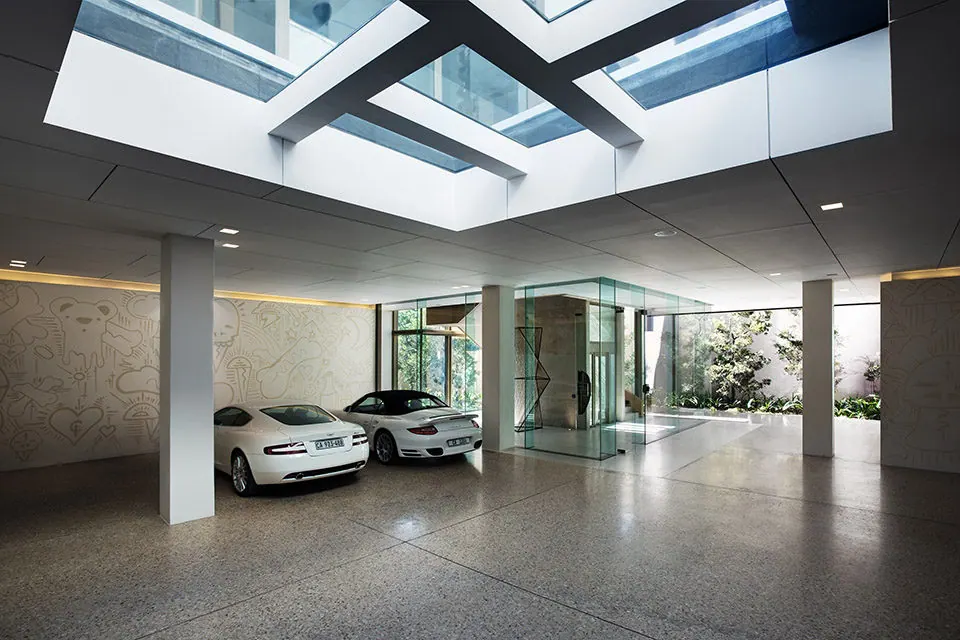
Lobbies, corridors and bathrooms take shoes, water and cleaning chemicals every day. Rectified porcelain in 600×1200mm or larger means fewer grout lines, easier maintenance and a genuinely premium feel. A matte or structured finish is safer than polished around pools and spas, while still giving the reflective depth that makes a lobby feel spacious. In our completed villa and resort projects, porcelain is the default specification for ground-floor public zones, kitchens and back-of-house circulation.
A tile that looks warm in a Foshan showroom can read grey under north light in Nairobi or yellow under the harsh afternoon sun in Dubai. We ship physical samples worldwide and ask clients to view them in the intended room at midday and evening before we release production. It is the single cheapest way to avoid a costly re-order. This is especially true when matching flooring across separate batches, where dye-lot variation in timber-look porcelain or engineered veneer can be surprisingly visible.
Share your drawings or area schedule and we will return an itemized flooring BOQ with finish options, lead times and container loading — typically within one working day.
Request a Flooring BOQ →