MARKET INSIGHT
South Sudan Building Materials: Specifying for Heat & Dust.
Published: October 2, 2026
Juba runs hot, dusty and almost entirely on imported materials — what our enquiry data says, and how we specify to survive it.
Published: October 2, 2026
Juba runs hot, dusty and almost entirely on imported materials — what our enquiry data says, and how we specify to survive it.
South Sudan is one of the most demanding building markets we serve — and one of the least documented. Nearly every material on a Juba site arrives in a container, the shade temperature passes 40°C for months, and a single missed line in the BOQ can idle a crew for six weeks. In our enquiry database of 596 project records, South Sudan ranks as our third-largest market after Ethiopia and Kenya, and the requests are overwhelmingly whole-house: flooring, tiles, cabinetry, openings and sanitaryware specified together. This article pulls the pattern out of that data and turns it into a specification playbook for owners and contractors building in Juba and beyond. For the wider regional picture, see what 596 East African enquiries reveal and how we specify interiors across five markets.
The numbers first. Across our 596 customer records, East Africa dominates: Ethiopia and Kenya together account for more than 370 records, and South Sudan follows third with roughly one in ten enquiries — small on paper, but concentrated in high-value whole-house and hospitality projects rather than single-item orders. The demand mix is consistent: complete building-material packages for G+2 villas, kitchen and wardrobe cabinetry, porcelain floor tiles, aluminium windows and doors, and full sanitaryware sets. We also see the scale range in the data — single villa fit-outs sit beside enquiries for 2,000 sqm of material and mid-rise frames up to G+11, so the same market spans a family home and a commercial tower. One honest caveat: a large share of records still carry blank progress fields, which is exactly why we lock specifications to a written BOQ early — the paper trail matters as much as the product in a market where replacements are a container away.
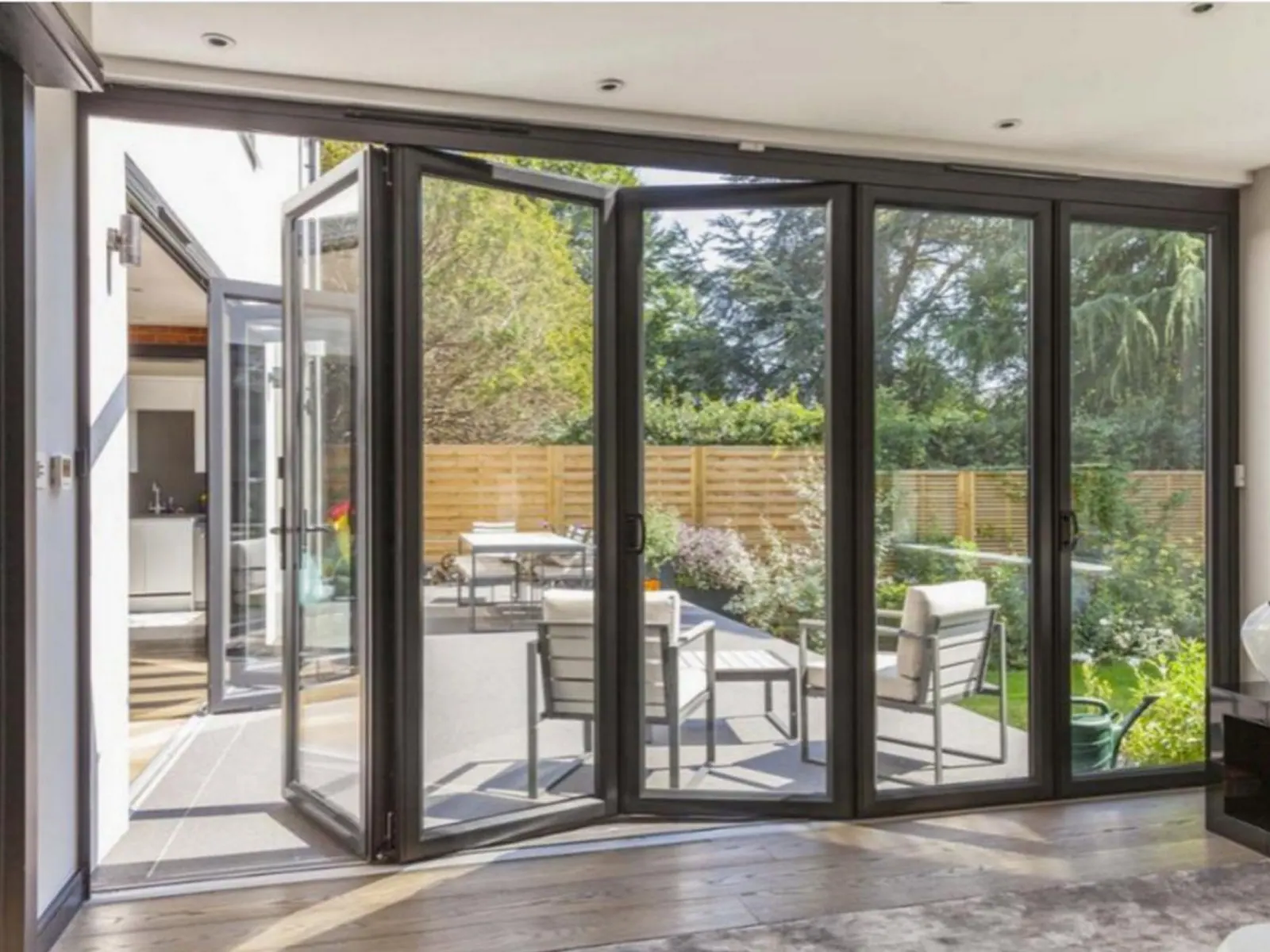
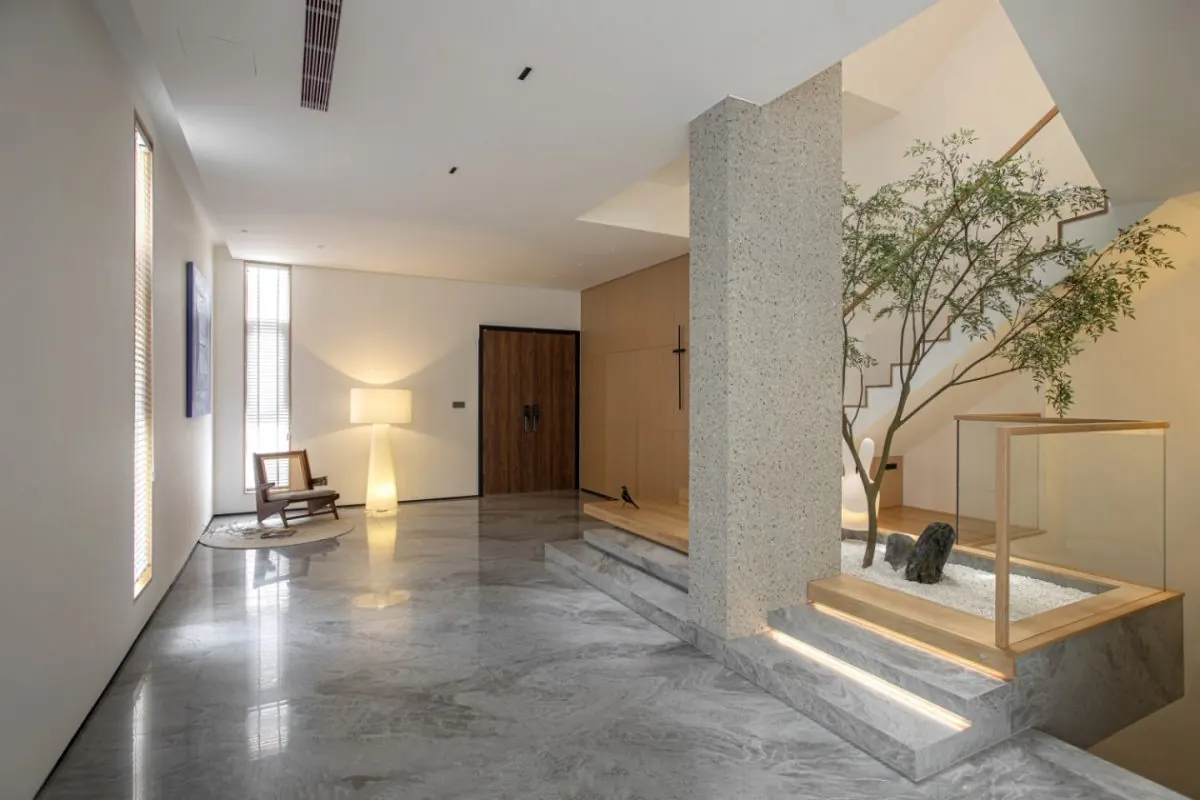
Juba sits at 4°N, and the design condition is not cold — it is heat, dust and a rainy season that arrives hard. For openings we specify 6063-T5 aluminium with a thermal break and a powder coat of at least 60 microns; a solid frame on a west elevation turns the reveal into a radiator, which is why our aluminium window and door specification starts with the profile, not the glass. For floors, porcelain wins: fired above 1,200°C with water absorption under 0.5%, it shrugs off the dust-abrasion cycle that scuffs glazed ceramic in a single season — the full logic is in our porcelain and ceramic tile guide. Timber is the trap. Solid flooring must be kiln-dried to 8–10% moisture content to stay flat in equatorial humidity, and laminate cores that would survive a temperate apartment swell at the joints within two rainy seasons. Wall linings follow the same rule — WPC and SPC panels are stable, but dark external faces in direct sun need the heat limits checked before they are booked. Hardware is the quiet killer: every hinge, lock and roller we book into a South Sudan BOQ is 304 stainless minimum, 316 where cleaning chemicals and humidity combine.
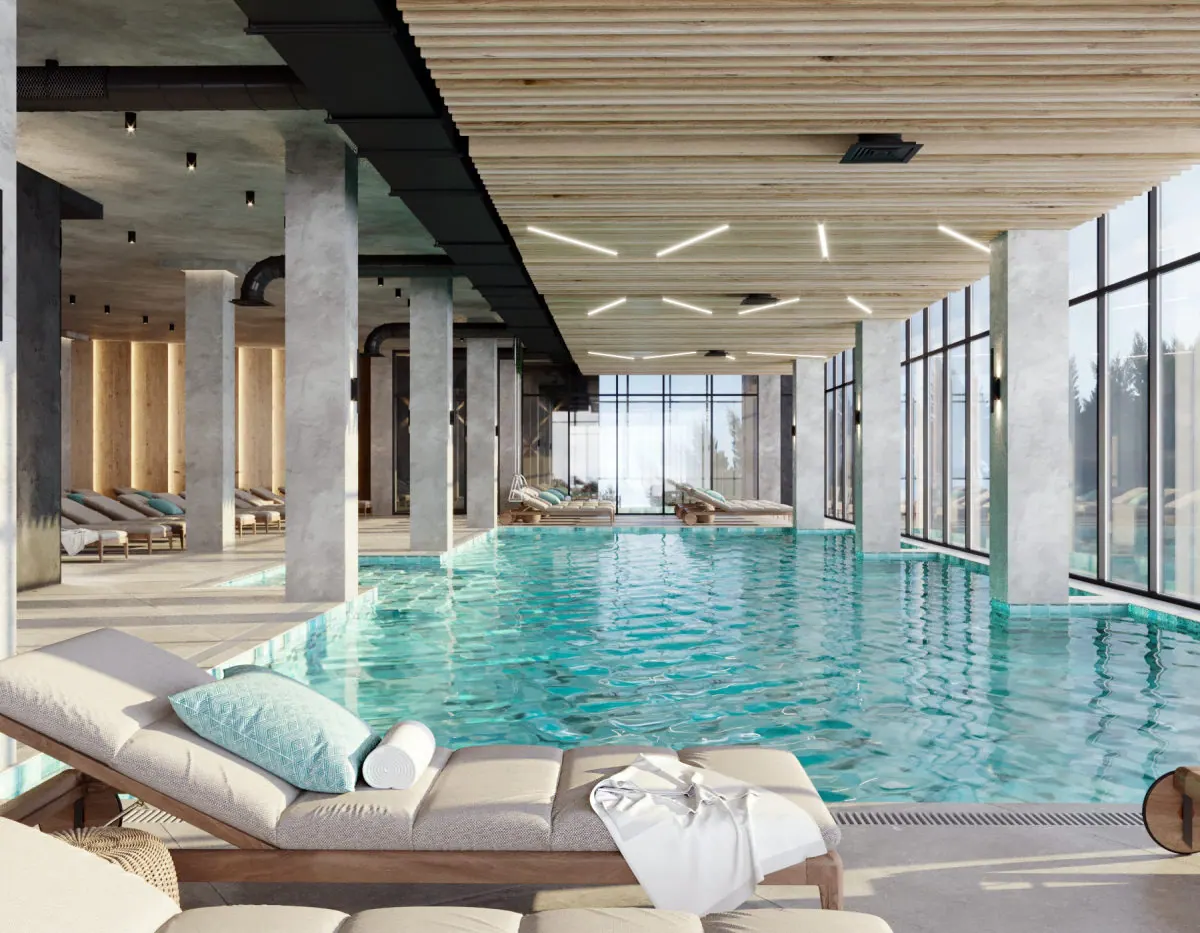
South Sudan manufactures almost none of this locally, so the specification decision is also a logistics decision. The default route for a Juba shipment runs through Mombasa, up through Uganda and across the Nimule border — a corridor where a container can spend weeks in motion before it is unloaded, plus two to four weeks of production before it sails. We plan six to ten weeks door-to-site and write that schedule against the BOQ before production starts, not after. Three habits keep the plan honest. First, consolidate: a whole-house package booked as one itemized BOQ fills one container with matching junction details, instead of five suppliers shipping five half-empty boxes. Second, pack for the corridor: flat-pack cabinetry, corner protection and shrink-wrapped pallets, because the dust that gets into an unpalletted load in Mombasa is still there in Juba. Third, sequence the delivery: site storage in Juba is limited and unsecured storage is its own risk, so we split shipments — tiles and sanitaryware first, cabinetry and openings timed to the fit-out date.
A Juba budget carries freight on every line, so the money has to land where failure is expensive. We tell clients to spend on three things: the opening package, because a warped frame or a seized roller cannot be patched locally; the tile body, because re-flooring means another container, not another contractor; and hardware, where a 316 stainless hinge and a zinc-alloy one differ by a few dollars and by years of service. The figures below are the quick version we put in front of owners. Savings come from finishing layers — decorative panels, feature lighting and soft furnishings can be staged locally or in a second shipment without touching the building's bones. What we never do is mix a cheap core with an expensive finish: an SPC panel under a premium veneer still telegraphs every subfloor wave, and the owner pays twice. The full line-item logic is the same one we apply across the region, and the Gulf–East Africa baseline comparison shows how the same product lands differently in each market.
| Element | What we specify | Why it matters in Juba | Minimum spec |
|---|---|---|---|
| Openings | 6063-T5 aluminium, thermal break, low-E glazing | Heat and dust kill thin frames first | 60-micron powder coat; 1.4 mm wall minimum |
| Floors | Porcelain tile; kiln-dried timber where specified | Dust abrasion and rainy-season humidity | Under 0.5% absorption, PEI IV; timber at 8–10% MC |
| Walls | WPC / SPC panels, porcelain in wet areas | Stable in heat swings, no paper face to peel | Check panel heat limits on dark, sun-facing faces |
| Hardware | 304 / 316 stainless, multi-point locks | Humidity and dust seize plated steel | 304 minimum; 316 in wet and coastal-flushed rooms |
| Sanitaryware | One-piece vitreous china, concealed cisterns | Spares are a container away — spec for service | Complete set ordered against one BOQ |
| Logistics | One consolidated container, flat-pack, staged delivery | Mombasa–Uganda–Nimule corridor transit | Six to ten weeks door-to-site, written schedule |
Send your drawings or room schedule and we will return an itemized BOQ covering flooring, tiles, cabinetry, openings and sanitaryware — with the transit schedule written against it, typically within one working day.
Request a Juba Project BOQ →What building materials are most requested in South Sudan?
Whole-house packages lead: porcelain tiles, kitchen and wardrobe cabinetry, aluminium windows and doors, and sanitaryware — usually specified together so one container covers the fit-out.
How long does a materials shipment to Juba take?
Plan on six to ten weeks door-to-site. Production runs two to four weeks after the BOQ is locked, and transit routes through Kenya and Uganda before the border crossing into South Sudan.
Which materials fail fastest in Juba's climate?
Laminate flooring that swells in humidity, solid aluminium frames without a thermal break, non-stainless hardware and low-grade glazed tiles. Each fails at the junction between material and climate, not at delivery.
Can one supplier cover a full villa fit-out in South Sudan?
Yes — a single itemized BOQ covering flooring, tiles, cabinetry, openings and sanitaryware consolidates into one container, with matching junction details and one point of accountability.
Related: our flooring guide for tropical climates, the porcelain and ceramic tile specification, what 596 East African enquiries reveal about specifying, and the Gulf vs East Africa material baselines.