MATERIAL GUIDE
Kitchen & Cabinetry Materials Compared.
Quartz, wood veneer, lacquer and metal: the four materials behind every INDECO kitchen, and how we choose between them for homes from Nairobi to Sydney.
Quartz, wood veneer, lacquer and metal: the four materials behind every INDECO kitchen, and how we choose between them for homes from Nairobi to Sydney.
Walk into any showroom and the cabinets all look the same. The difference is what they are made of, and what that means five years in. Across our kitchen and cabinetry projects in East Africa, the Gulf, Europe, Australia and Southeast Asia, the failures we are called to repair are almost never about the door front — they are about the carcass, the benchtop and the climate they live in. Here is how we weigh the four materials we build with most.
Before comparing surfaces, one principle: a kitchen is an assembly, not a set of boxes. The benchtop, the carcass substrate, the edging and the fixing method all have to suit the same humidity, heat and usage. Our solutions process starts every kitchen from the room and the brief, not the sample board.
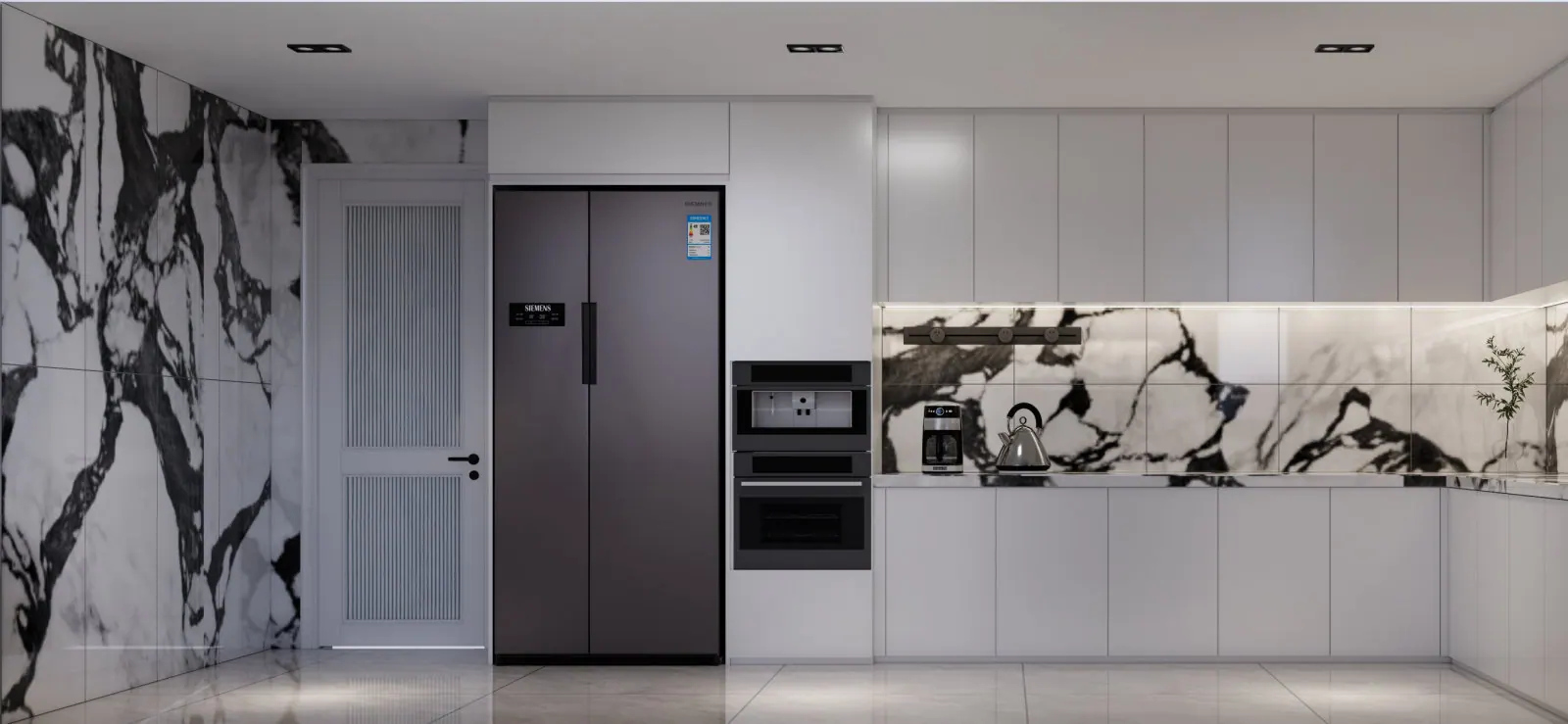
Engineered quartz and solid-surface acrylic are our default for most kitchens. They shrug off stains, do not harbour bacteria, and stay put under a hot pan. The real variable is edge profile and seam placement — done badly, a 3-metre island looks like two benches. In humid SE Asia and coastal East Africa we insist on a full 18–20 mm slab with a mitred edge rather than a thin laminate, because the cheaper build delaminates within two seasons of monsoon humidity.
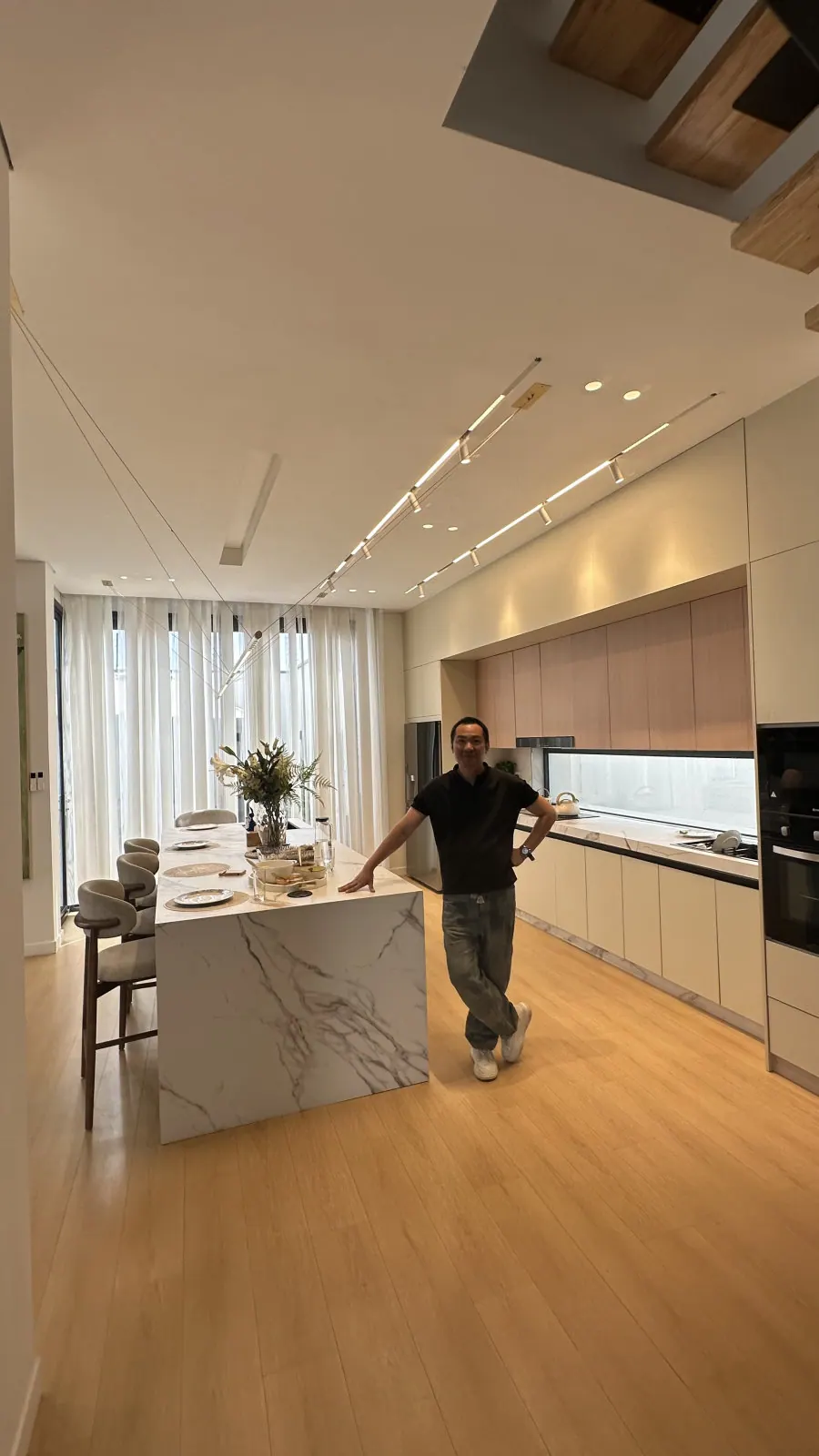
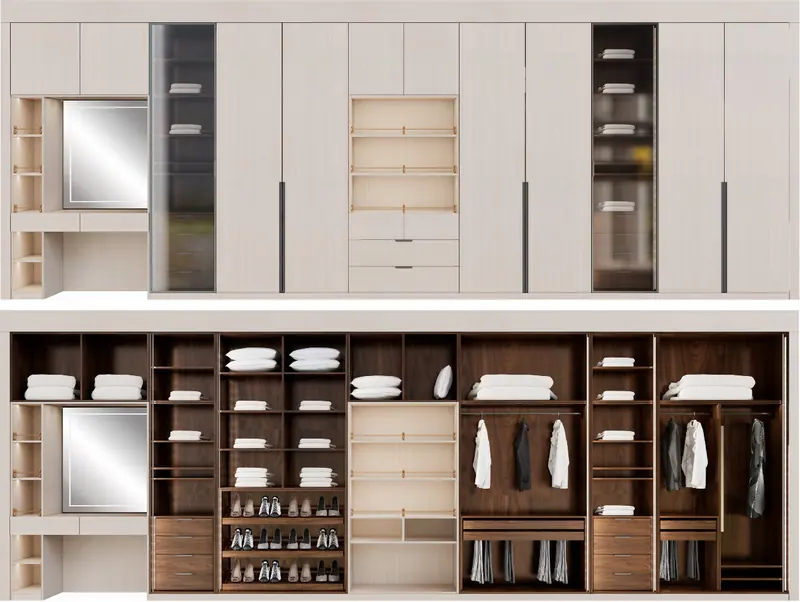
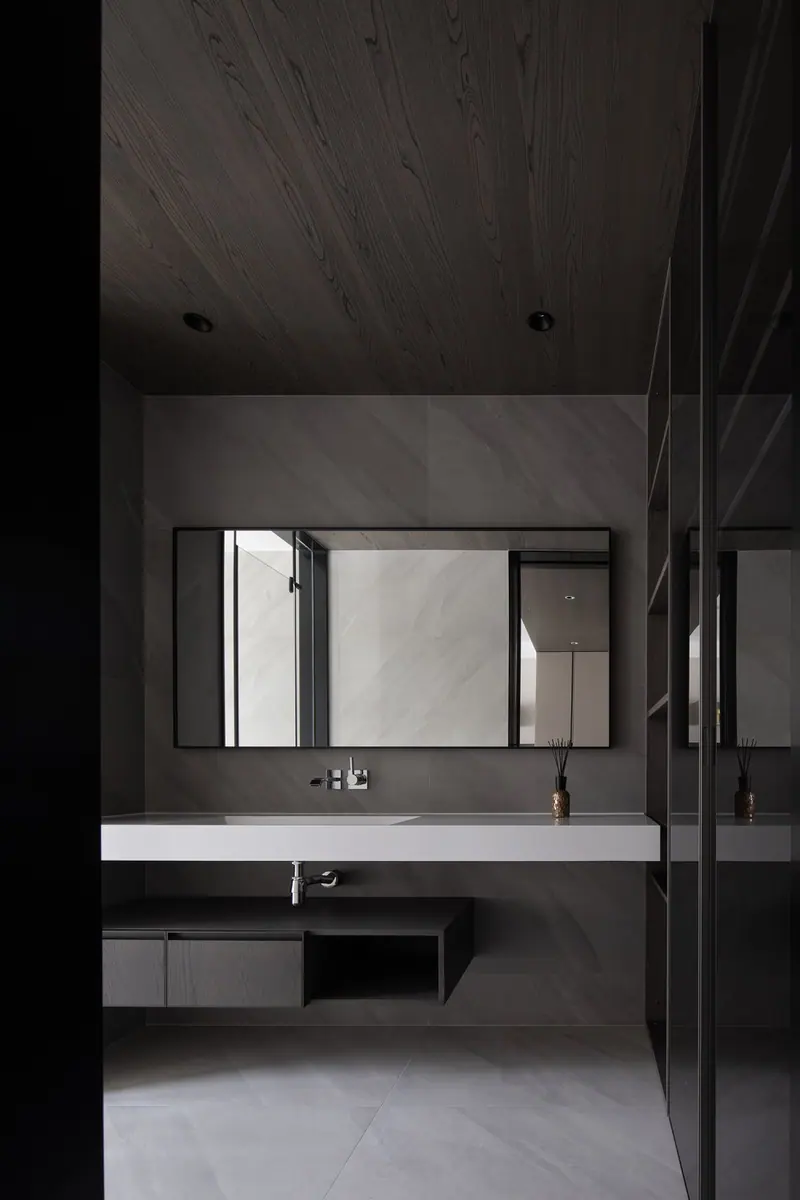
For clients who want the depth of real timber without solid-wood movement, we build MR-MDF or plywood carcasses and face them with wood veneer or a sprayed lacquer. Veneer reads premium and is stable; lacquer gives a continuous, modern matte or gloss. The catch is moisture at the plinth and the sink run — we detail a 50 mm stainless or aluminium kick and seal every cut edge on site. A poorly sealed veneer carcass in a Gulf summer swells at the base within a year. Specified correctly, this is our most-requested finish for villas and penthouses.
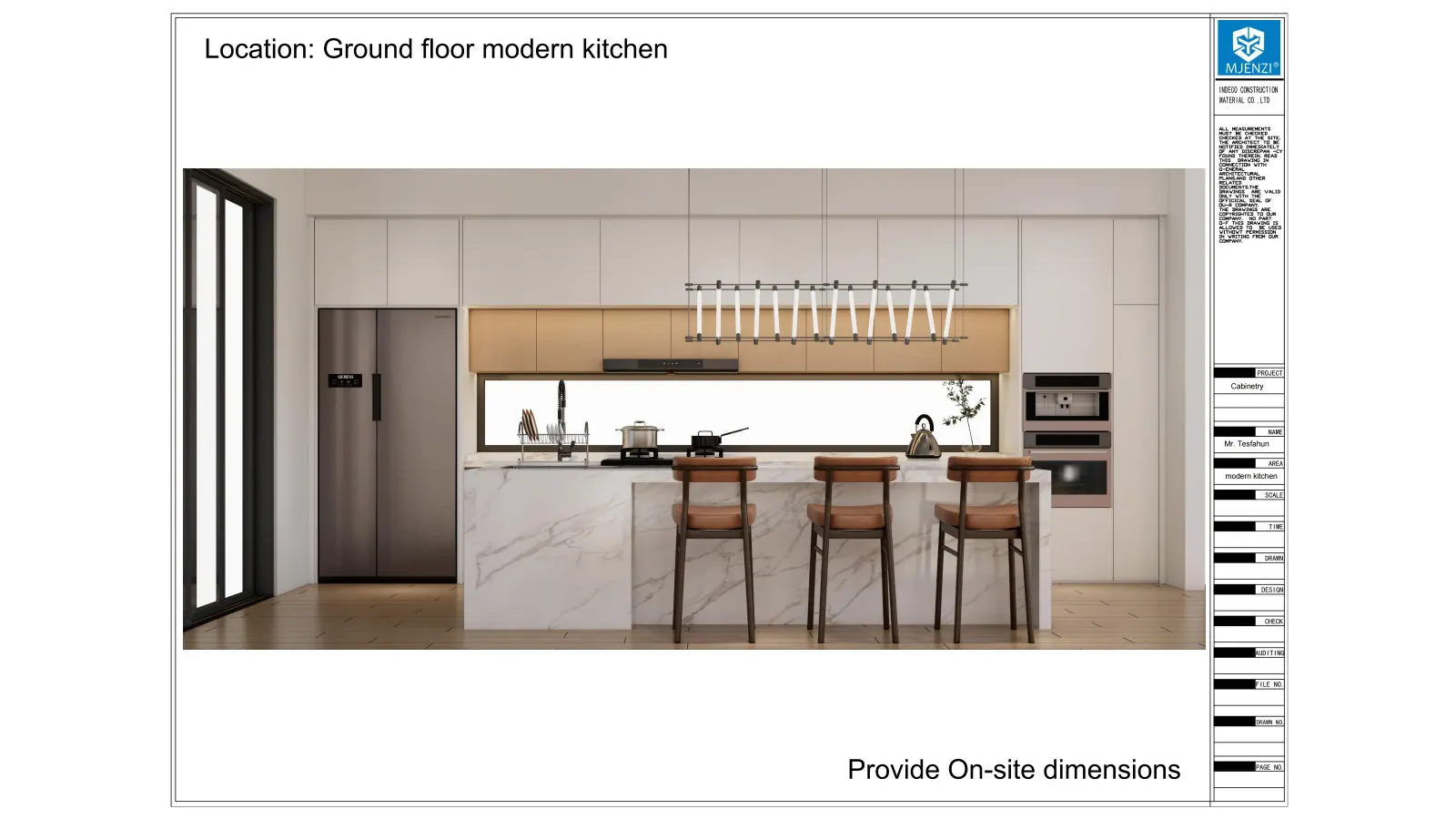
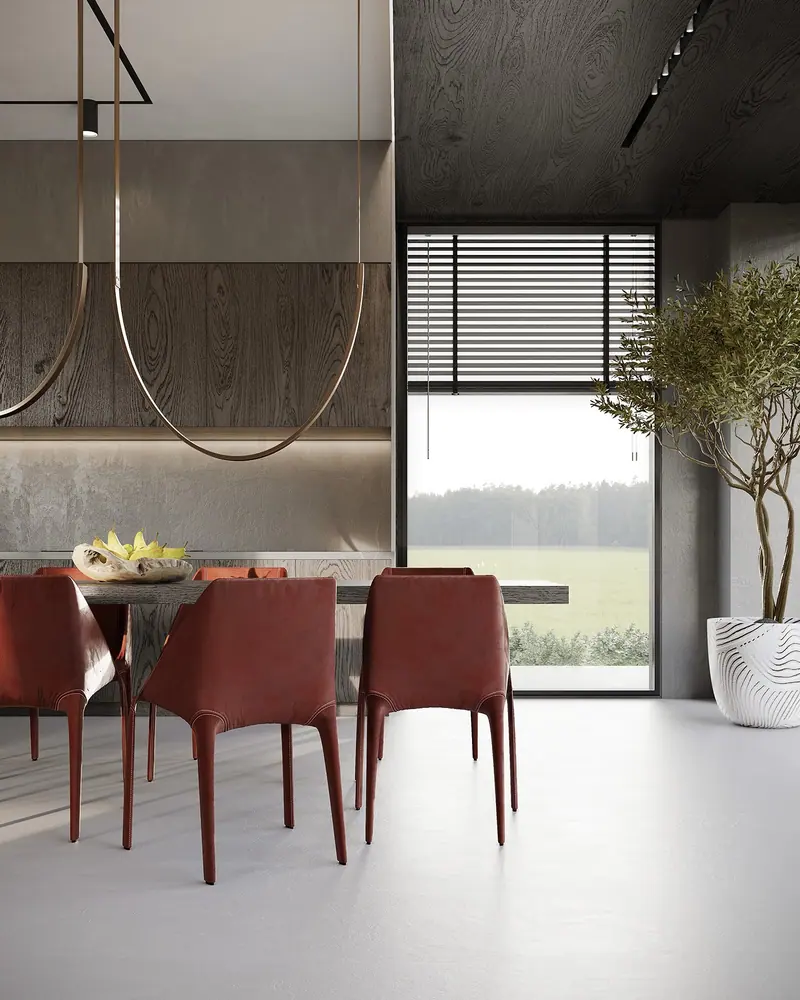
Brushed stainless, blackened steel and tinted glass turn a functional kitchen into a piece of architecture. We use metal for open shelving, island trims and the integrated handles that define a contemporary look, and glass for upper cabinets and display units. These are the details that read as “designed” rather than “fitted”. The only rule that matters: match the metal finish to the rest of the home — a warm-brass handle against a cool-grey lacquer always looks like an afterthought.
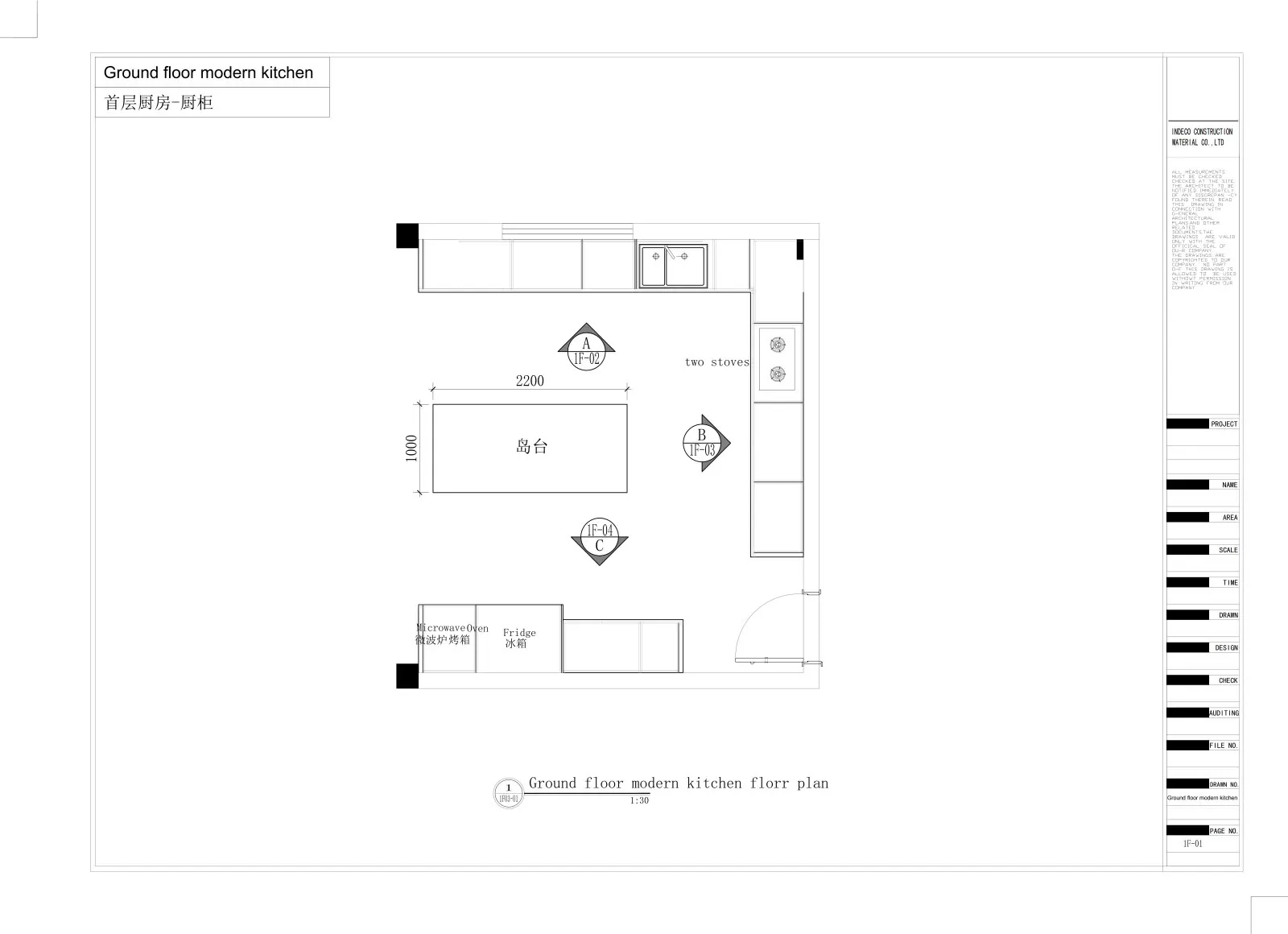
Hot-humid (SE Asia, East Africa coast): full-thickness quartz, sealed carcass edges, aluminium kicks. Dry-heat (Gulf): lacquer and veneer perform beautifully — just ventilate the appliances. Cold (Europe): plywood carcasses handle seasonal movement best. Coastal (Australia): marine-grade fixings on any exposed metal. High-usage (all markets): avoid open-grain timber near the sink; specify a non-porous bench.
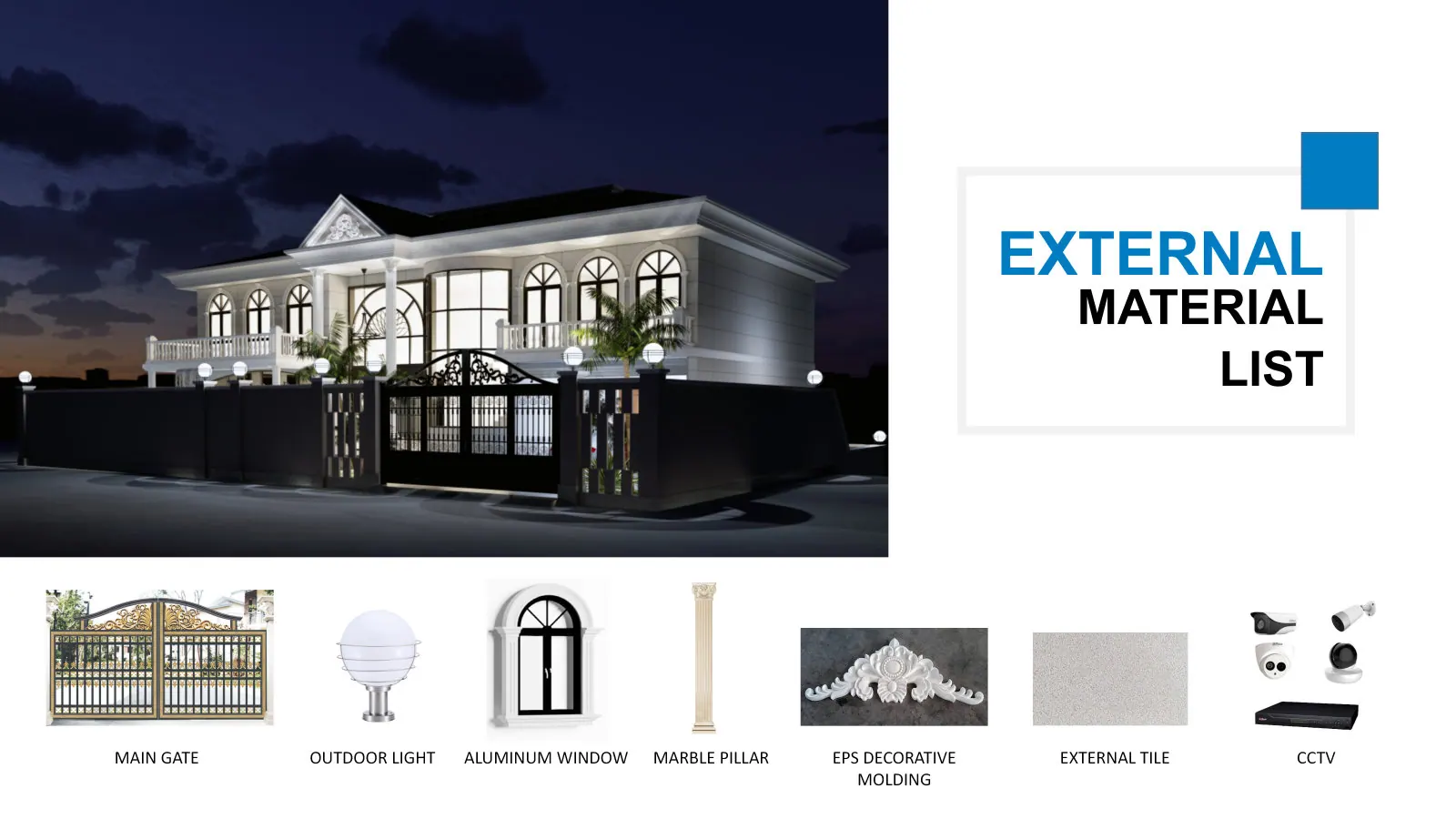
Send us your layout and the room dimensions. We return a material recommendation, a finish schedule and an itemised BOQ with lead times — typically within one working day. You can also browse our completed project gallery or read the companion installation guide.
Request a Kitchen BOQ →