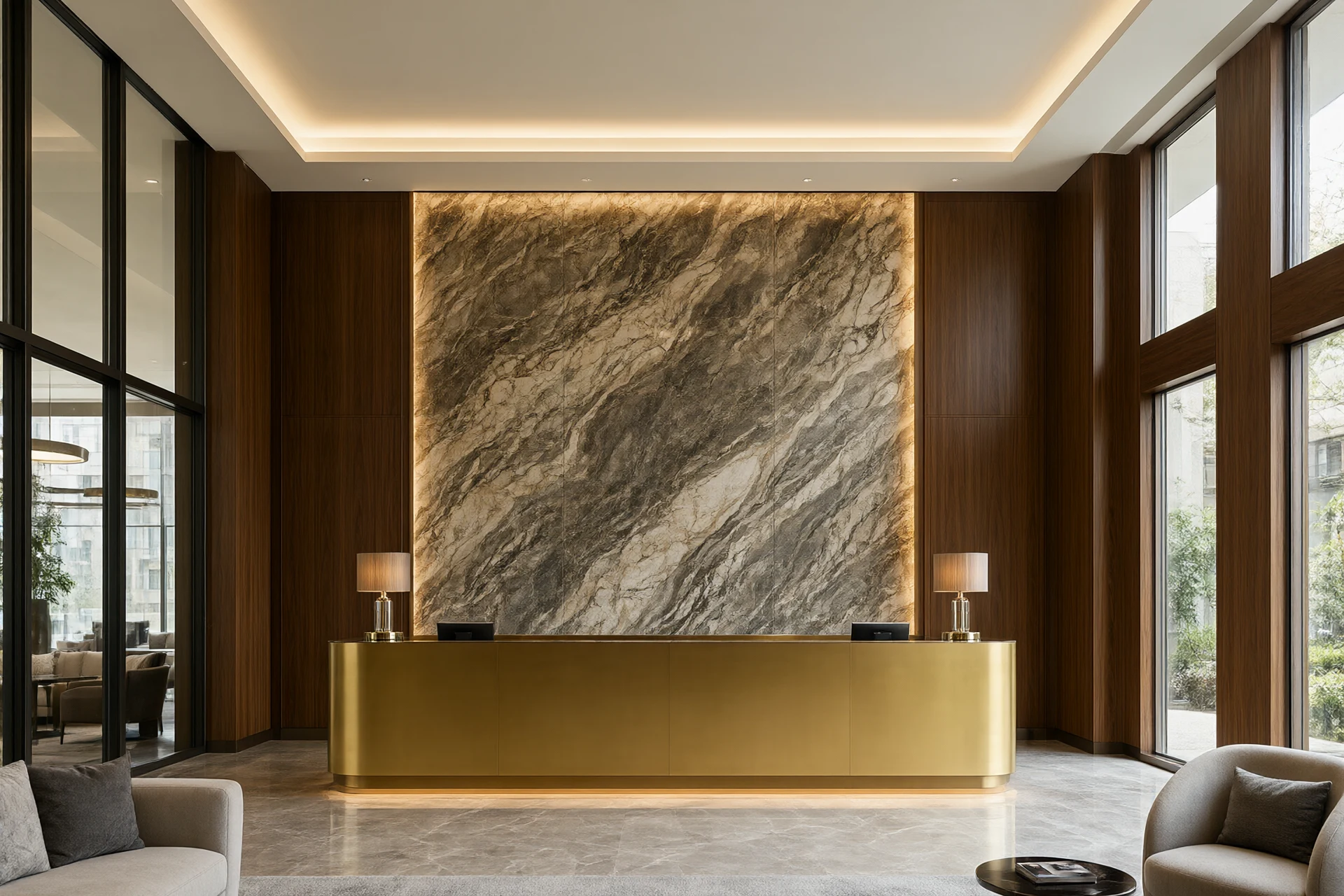
Hotel Interior Design Built for Africa and the Gulf
Published: October 23, 2026
How to brief spaces, specify finishes that survive housekeeping, light warm and choose a climate ready palette.
Published: October 23, 2026
In hotels across Africa, the Gulf, Southeast Asia and the Pacific, the interior is the product. Guests do not remember the structural frame. They remember the lobby they walked into, the bathroom they used and the room they slept in. Hotel interior design is therefore less about style trends and more about operational durability: finishes that look expensive on opening night and still look expensive after 400,000 guest nights. This guide is the one our team applies on resort and city-hotel projects from Nairobi to Dubai. If you want the broader thinking first, our interior design ideas for warm climates set the material moves in play here.
Plan the guest journey before the floor plan
Most hotel interiors fail because the architect drew rooms before anyone mapped the guest journey. Arrival, check-in, circulation to rooms, food and beverage, back of house and emergency egress each place different demands on materials. A lobby that doubles as the bar needs finishes that resist drink spills and foot traffic at 11pm. A corridor needs acoustic calm and scuff-proof walls. We brief the operator on these flows first, then design. The same discipline appears in our commercial interior design work, where a retail floor and an office floor are never specified with the same palette.
Finishes that survive housekeeping
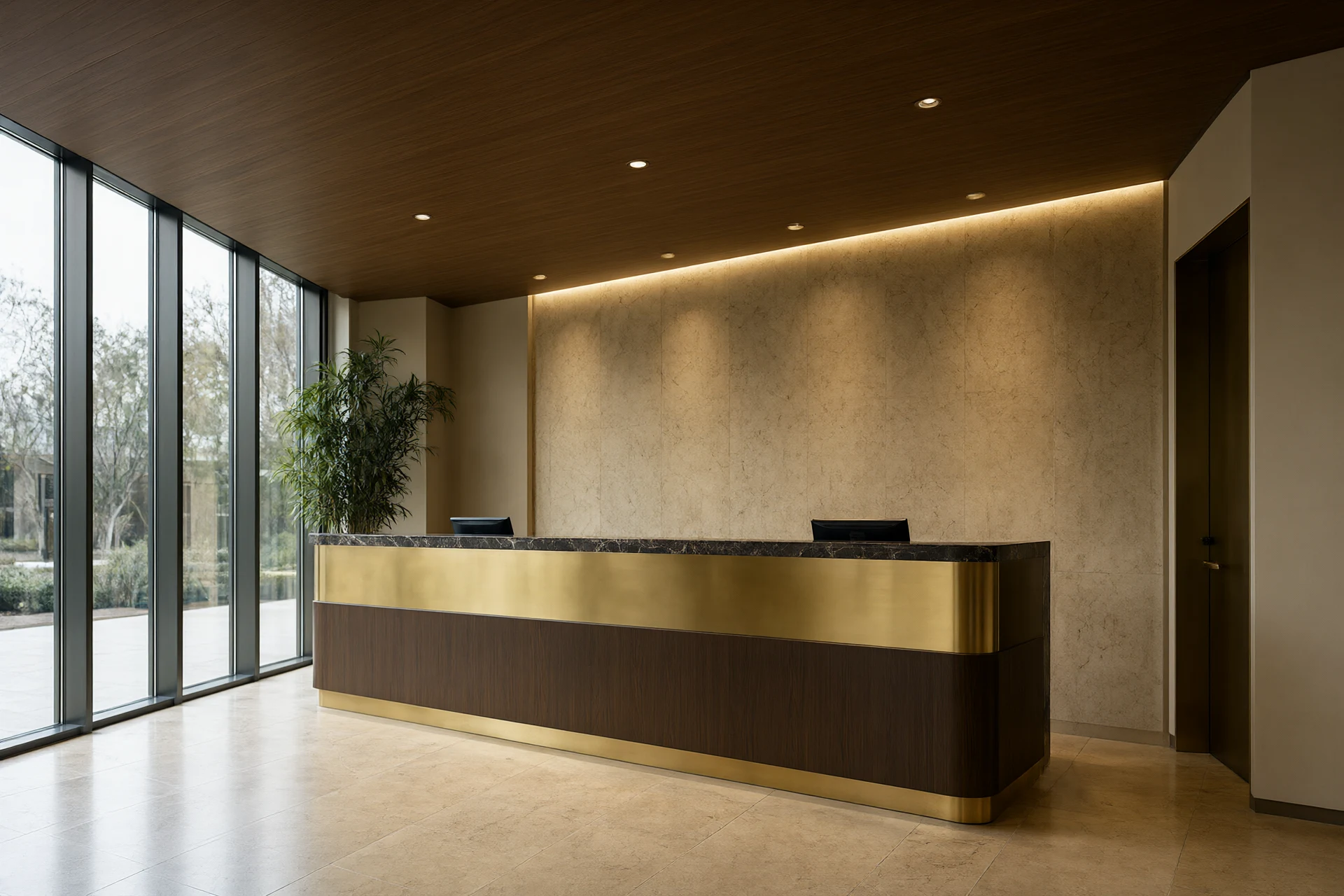
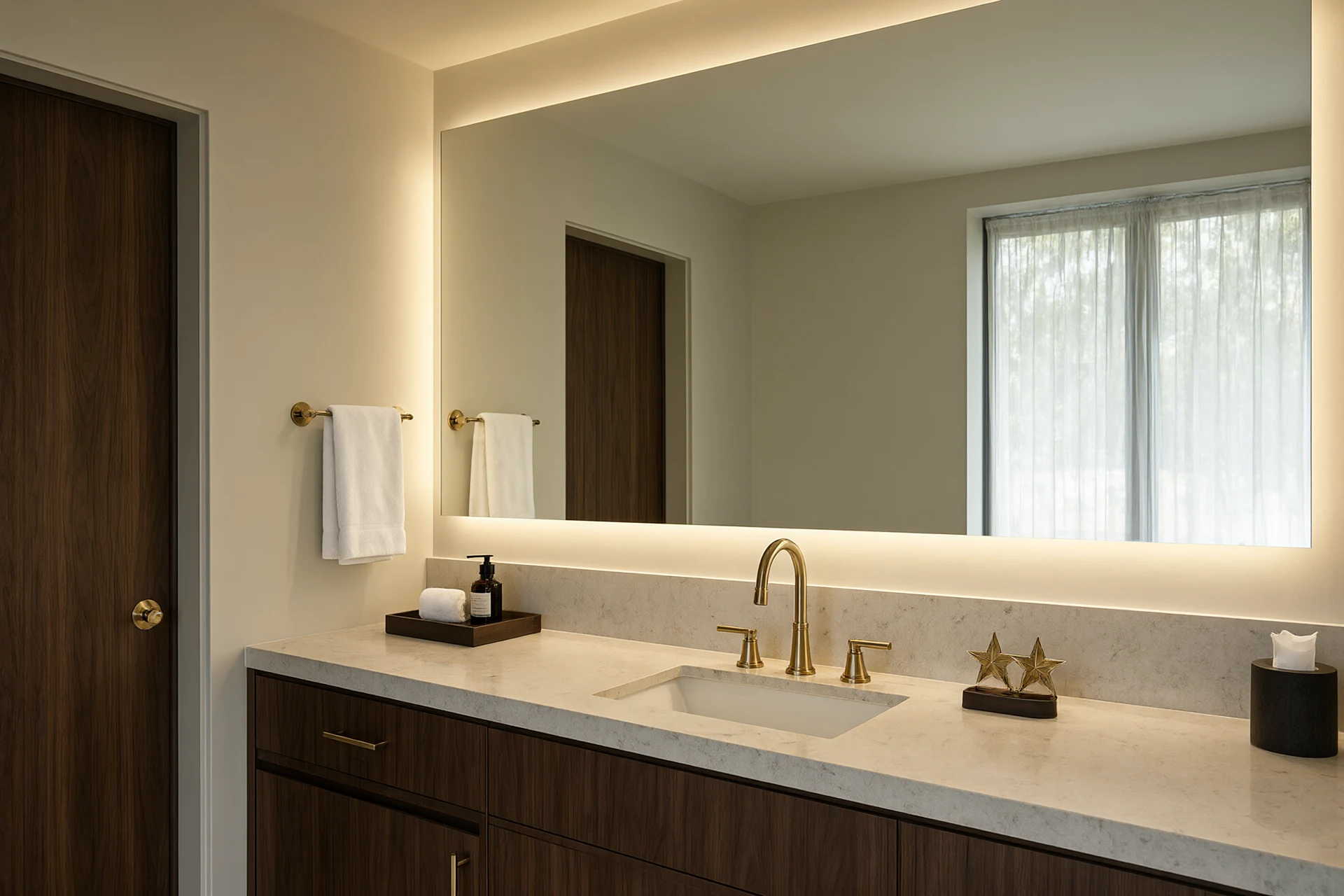
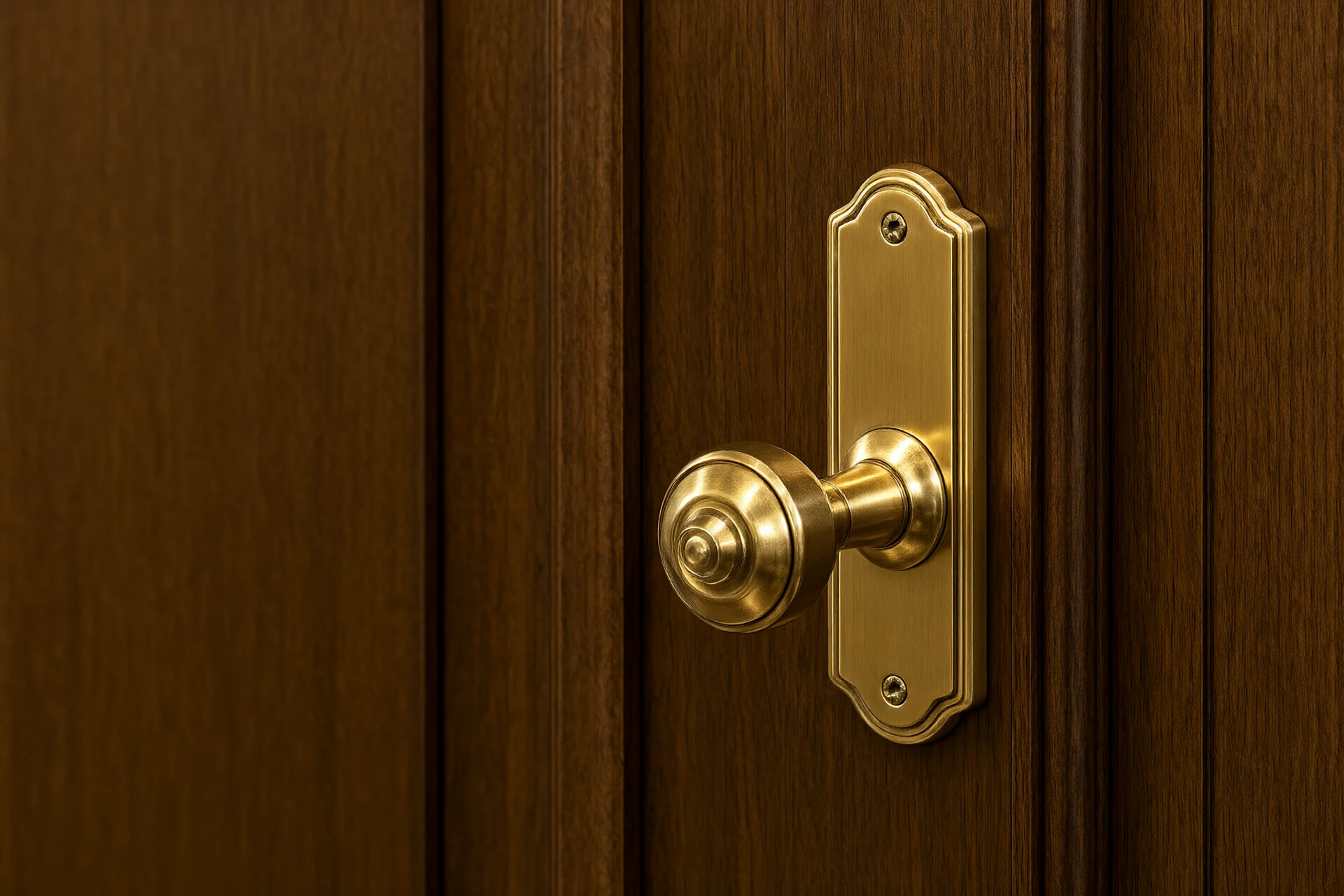
Housekeeping is the harshest critic in any hotel. Strong detergents, steam, luggage trolleys and constant moisture destroy finishes that look perfect at handover. For vanities and wet zones we specify sintered stone over natural marble: it absorbs under 0.1 percent water and will not etch from citrus or bleach. Brushed brass reads as luxury and hides fingerprints, while polished brass shows every mark within a week. Large-format porcelain on walls and floors cuts grout lines and cleaning time. Hospitality venues carry stricter fire and acoustic rules than homes, so public-zone finishes should meet ASTM standards for flame spread and smoke. Our luxury interior design notes cover the same materials where the budget allows stone and metal throughout.
| Zone | Recommended finish | Why it survives |
|---|---|---|
| Lobbies & bars | Sintered stone, brushed brass, large-format porcelain | Resists spills, scuffs and constant foot traffic |
| Guest bathrooms | Sintered stone vanity, porcelain walls | Under 0.5% water absorption, bleach-safe |
| Corridors | Acoustic wall panel, scuff-proof paint | Quiet under trolleys, easy to repair |
| Terraces | Travertine, outdoor-grade metal | UV and salt stable |
Light warm, never flat
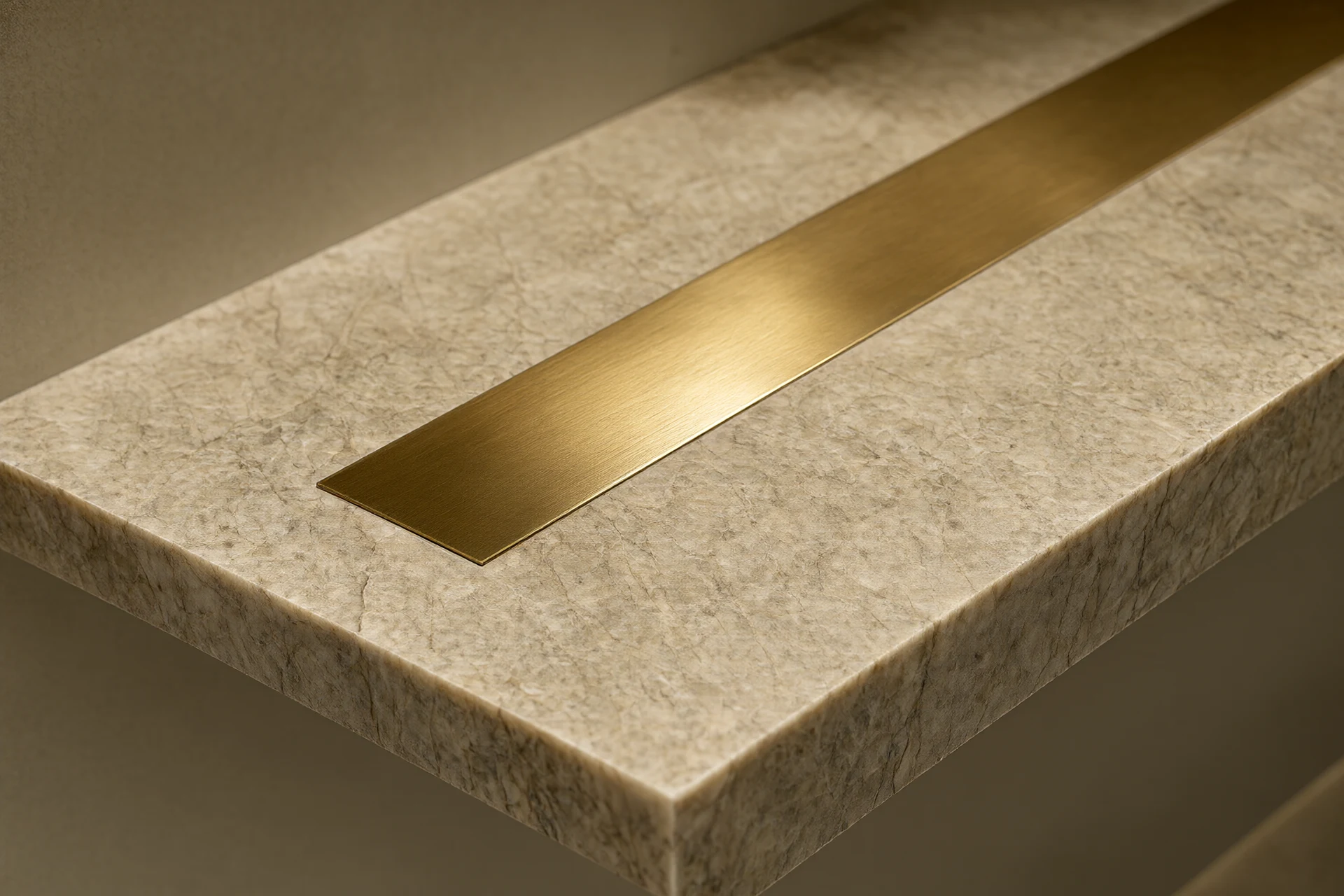
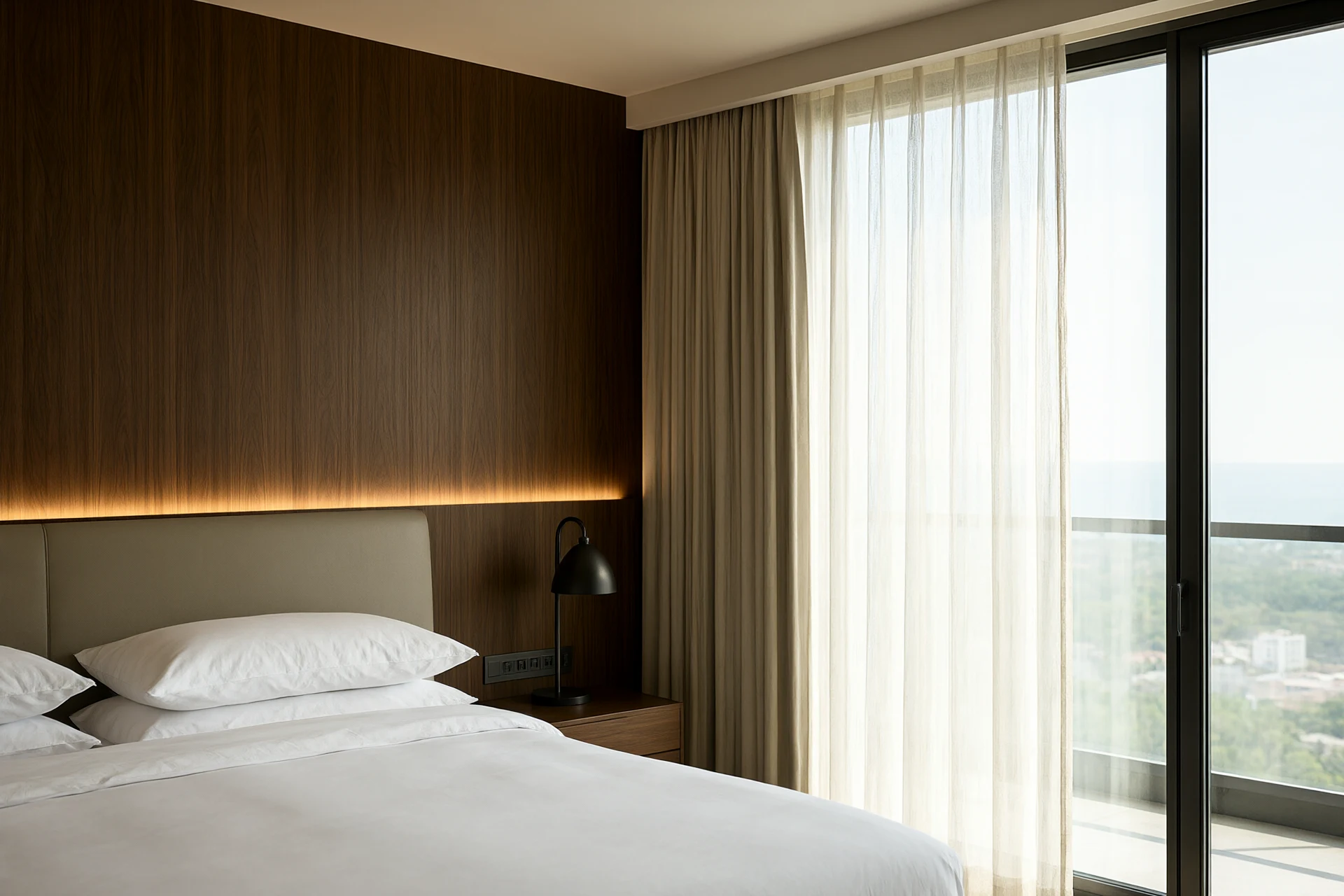
Flat, single-source lighting is the fastest way to make expensive materials look cheap. Stone loses its depth, brass loses its glow and walnut loses its grain under a cold ceiling panel. We layer warm hidden cove lighting (about 2700 to 3000 Kelvin) with soft daylight through floor-to-ceiling glass, then add focused task light only where guests read or work. The result reads as considered rather than decorated. The same warm-light layering is the backbone of our modern interior design approach for residences, and it transfers directly to suites and lobbies.
Hotel interior design in a humid climate
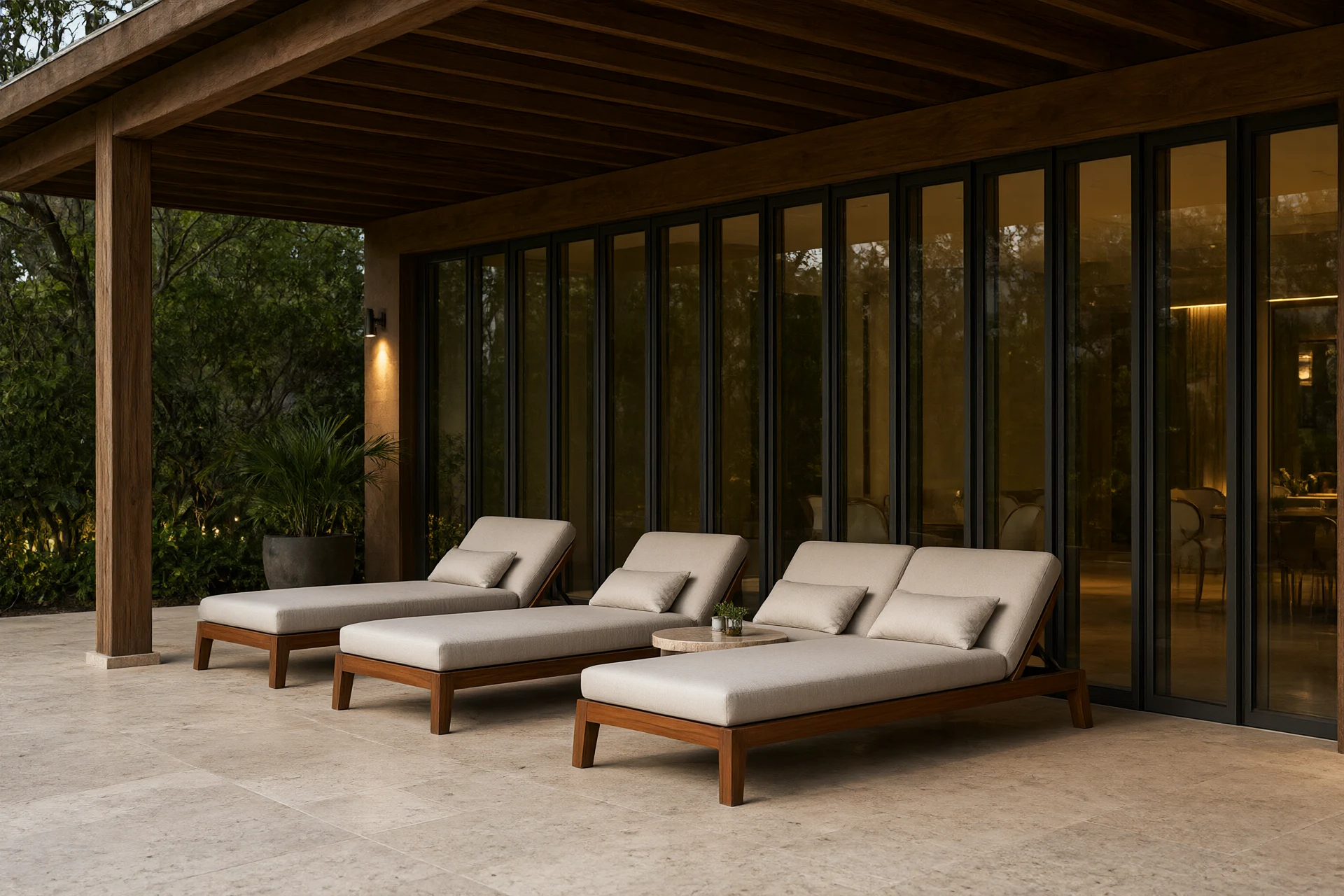
Coastal and equatorial sites add three pressures: humidity, salt and UV. In Lagos, Mombasa or Muscat the air alone will bloom mould on the wrong plaster and fade the wrong fabric within a season. We keep water absorption below 0.5 percent on every tiled or stone surface, specify UV-stable lacquers on timber and choose outdoor-grade metal for terraces and pergolas. Gulf projects need stronger solar control and higher cooling loads, so glazing gets a low SHGC and external shading. Coastal African sites need salt-resistant fixings. The material split between these two regions is detailed in our hotel construction materials breakdown, which shows what African hoteliers actually order by volume.
- Map the guest journey and brief the operator before the architect.
- Choose wet-zone surfaces with under 0.5 percent water absorption.
- Specify brushed (not polished) metal and large-format porcelain.
- Layer warm cove light with daylight; avoid single-source flat light.
- Confirm fire, acoustic and humidity ratings for the local climate.
Planning a hotel project?
Send us the concept drawings, room schedule and brand standard (if any). We return an itemized material BOQ with finish options, lead times and container loading, usually within one working day. For the procurement side, our interior design company checklist explains what to lock before you sign.
Request a Hotel Material BOQ →Frequently asked questions
What is the first step in hotel interior design for a new build?
Start by briefing the operator on the guest journey (arrival, food and beverage, rooms, back of house) before the architect draws a single wall. Our commercial interior design and interior design company checklists show the same principle applied at scale.
Which materials work best in hotel bathrooms in hot, humid climates?
Sintered stone counters, brushed brass (not polished) and large-format porcelain read as luxury and resist humidity, cleaning chemicals and daily wear. Our luxury interior design notes cover the same finishes where the budget allows stone and metal throughout.
How should hotel interiors be lit?
Layer warm hidden cove lighting (about 2700 to 3000 Kelvin) with soft daylight through floor-to-ceiling glass, then add focused task light only where guests read or work. Flat single-source lighting flattens premium materials. Our modern interior design guide covers the same warm-light layering for residences.
Do hotel interior design needs differ between Africa and the Gulf?
The palette logic is similar, but Gulf projects need stronger UV control and higher cooling loads, while coastal African sites demand salt and humidity resistance. Our hotel construction materials breakdown shows what African hoteliers actually order by volume.