Fire Pump Systems for Commercial & High-Rise Buildings in Thailand: Specifier, Contractor & Developer Guide
Published: October 24, 2026
A Thailand fire pump system is the heart of a building's active fire protection. We break down an electric and diesel fire pump set, the jockey and pressure-tank package, CCCF certification, and what specifiers, contractors and developers should put on the bill of quantities.
A fire alarm gets the attention; the fire pump gets the water there. For a Thai high-rise, the municipal supply simply cannot hold pressure to the upper floors during a fire, so a pumped set is not optional equipment, it is the code-required core of the active system. The question for the project team is which set, which certificate, and who commissions it.
This note is written for the three people who sign the fire package: the specifier who writes the duty point, the contractor who installs and commissions it, and the developer who owns the budget and the handover risk. We use a reference electric-plus-diesel set as the product, because that paired configuration is what most Thai commercial and residential towers now ask for by default.
1. Why a Thailand fire pump system is the core of active fire protection
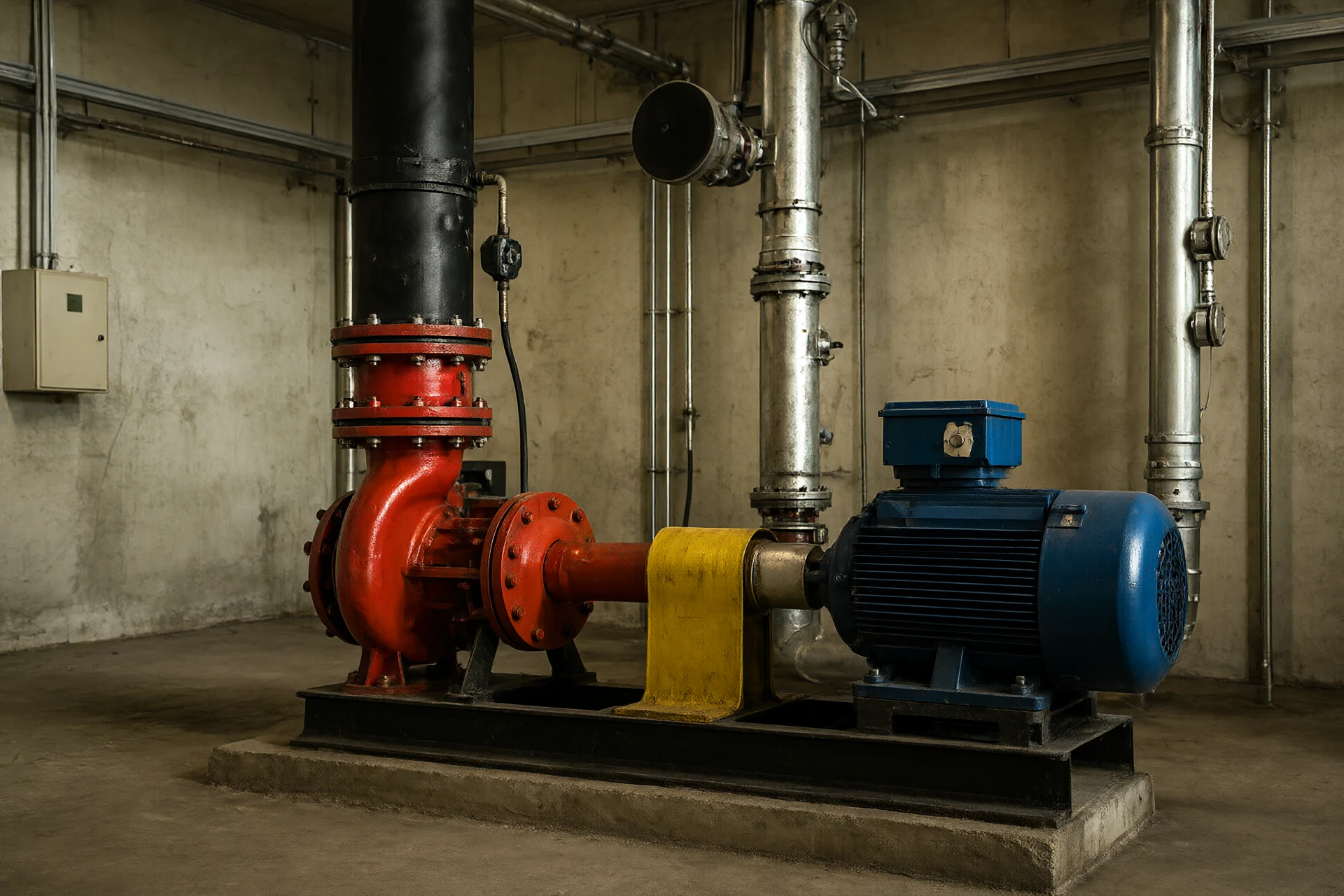
Active fire protection means moving water under pressure: sprinklers, hose reels and hydrants all depend on a fire main held at the designed head and flow. In a Thai tower the city supply drops below that threshold well before the roof, so a pumped set is what closes the gap. Without it, the upper-half sprinklers are decorative.
The set is built around redundancy. A primary electric pump runs from the building supply; a diesel pump stands by for loss of power; and a small jockey pump plus pressure tank hold the system pressurised between demands so the main does not short-cycle. For the specifier this redundancy is not a luxury, it is the loss-of-power scenario written into the fire code. The wider building-services context is covered in Commercial Interior Design: Office, Retail & Hotel Specs.
2. Electric vs diesel: the paired pump set
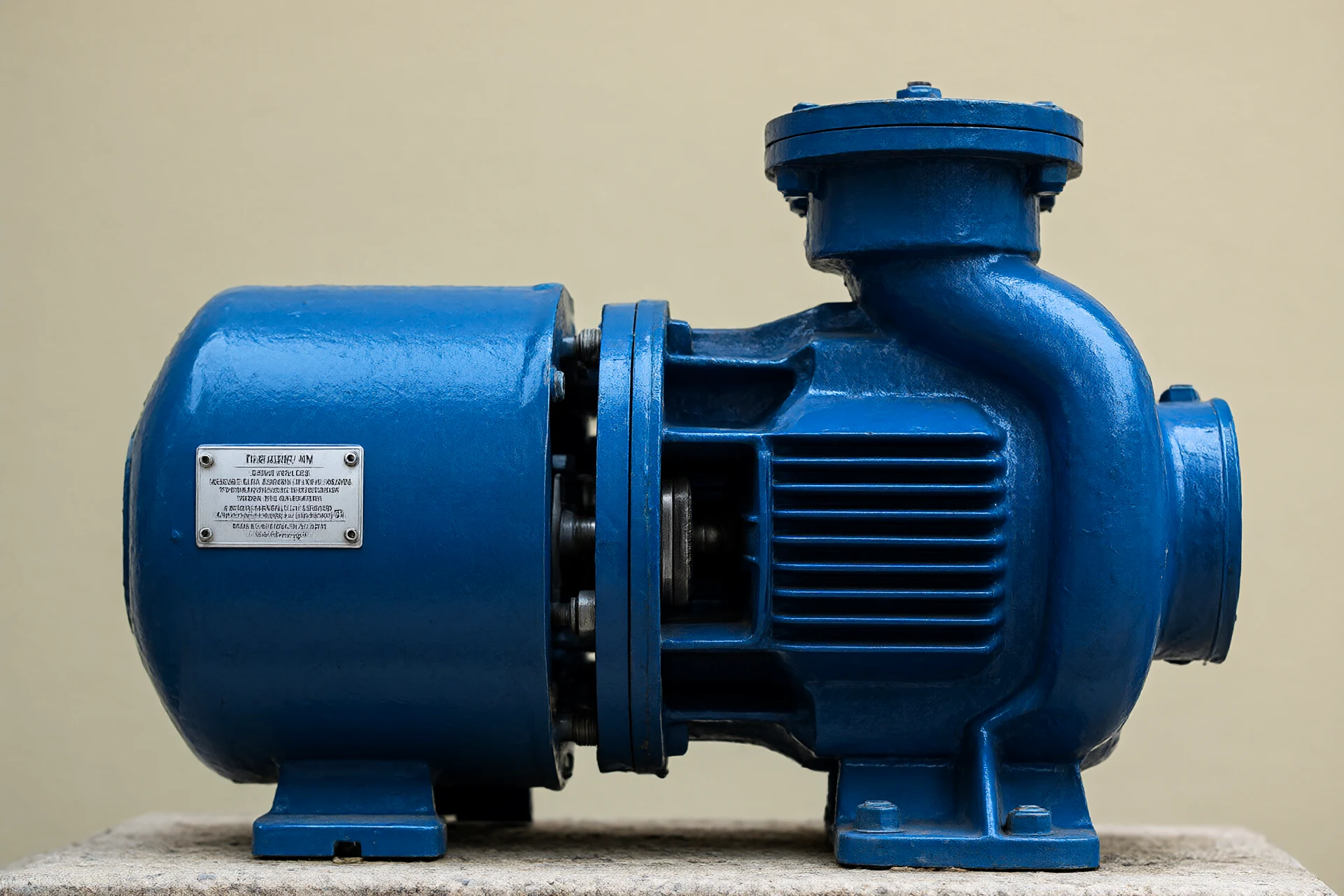
The electric fire pump is the workhorse. It is a horizontal, single-stage, non-overload centrifugal pump sized to the duty point (a typical Thai tower set runs around 130 m head at 50 L/s, driven by a 110 kW motor) and started by a soft-start fire control cabinet. The diesel fire pump is the independent backup: when the electric supply fails, it auto-starts and carries the same duty, so the water supply never drops mid-event.
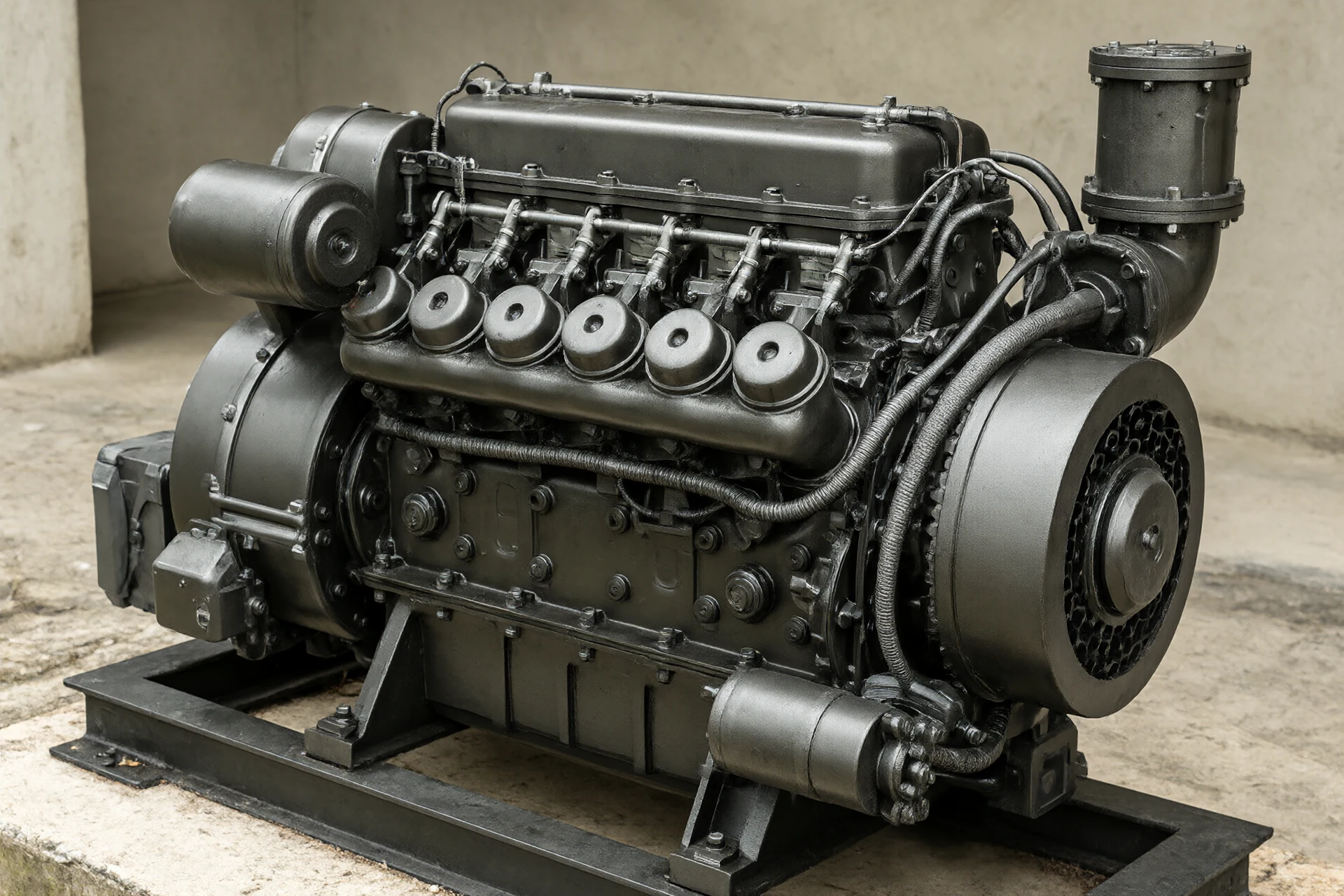
Pairing both on the same header is what satisfies the loss-of-power scenario. The diesel unit ships as a complete set with its own engine, fuel tank, battery and control box, so it needs no building power to run. For a Thailand fire pump system on a coastal or island site where grid stability is uncertain, the diesel backup is the clause nobody argues about at commissioning.
3. Product breakdown: a reference electric-plus-diesel fire pump set
The reference set below is a CCCF-certified configuration built to the GB 6245 fire pump standard. The duty point, the electric main, the diesel backup, the jockey package and the control cabinet are delivered as one coordinated package so the contractor commissions a system rather than mating separate boxes on site.
| Model | Type | Duty | Role in the system |
|---|---|---|---|
| XBD13.0/50G-150-110-WGZ | Electric horizontal fire pump | 130 m / 50 L/s / 110 kW | Primary water supply from building power |
| OQK-XFR-110 | Fire control cabinet | Soft start, one-control-one | Starts main pump, diesel interlock, protection |
| XBC13.0/50G | Diesel engine fire pump | 130 m / 50 L/s / 110 kW | Automatic backup on power failure |
| XBD4.0/5W-CDL (x2) | Vertical multistage jockey pump | 40 m / 5 L/s / 4 kW | Holds standby pressure, prevents short-cycling |
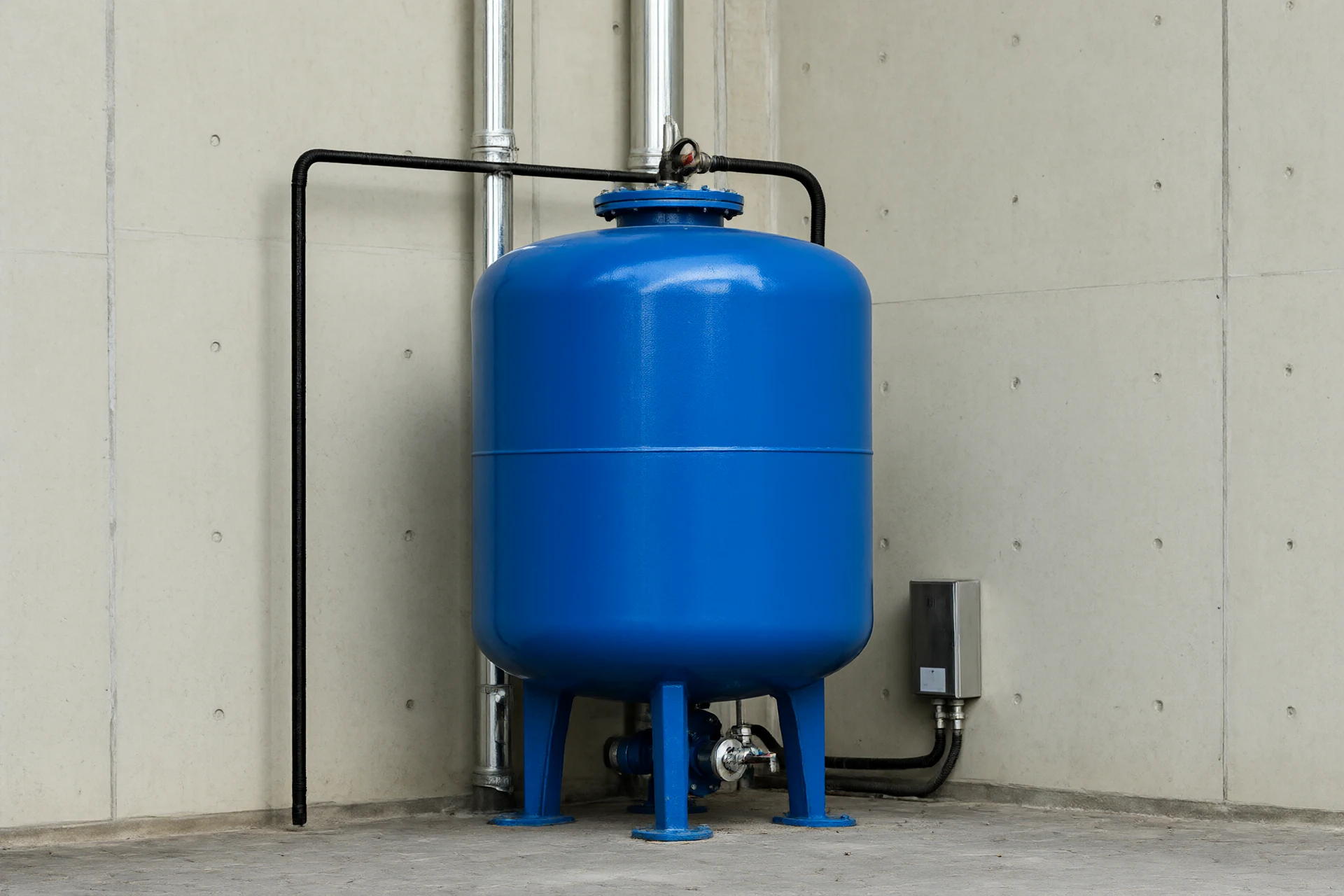
| SQL800 x 1.0 | Diaphragm pressure tank | 300 L effective | Pressure buffering for the jockey loop |
| OQK-XFZ-4/2 | Jockey control box | Pressure direct-start, 1-use-1-standby | Controls the jockey pump pair |
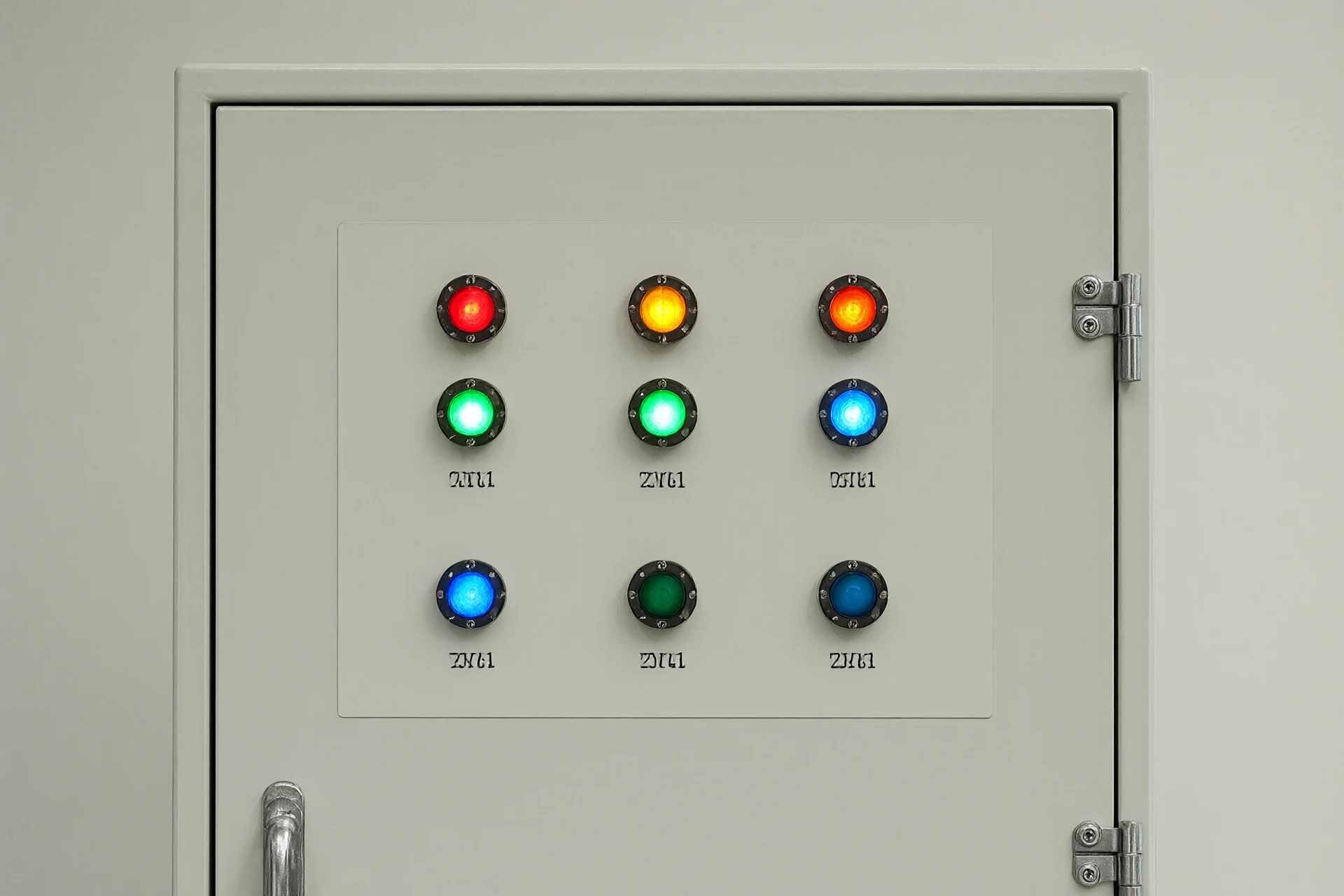
The control layer is where most commissioning delays happen. The fire control cabinet must soft-start the main pump, interlock with the diesel set, and report fault and run states; the jockey control box must hold pressure with a one-use-one-standby logic. Specification discipline on these two cabinets is what separates a set that passes its witness test from one that fails it.
4. Specifying a fire pump system for specifiers, contractors and developers
The three roles ask for three different things, and a clean specification answers all three on one sheet. The specifier writes the duty point (head, flow, power) and the certificate (CCCF to GB 6245). The contractor wants a coordinated package with a local technical contact for commissioning and the base, valves and connections laid out. The developer wants the lead time, the price, and the handover risk.
For a Thailand fire pump system the commissioning footprint is the item that gets missed. A set arrives as a kit; it needs a trained installer for the base, the piping, the electrical sign-off and the diesel run-test. Sourcing from a manufacturer that offers factory-direct supply with in-country technical support turns a risky install into a scheduled one. The same procurement framing appears in Turnkey Interior Design: One Contract, Zero Gaps for the fit-out side of the same building.
- Duty point stated as head, flow and power (for example 130 m at 50 L/s, 110 kW), with the diesel backup at the same duty.
- Jockey pump and pressure tank specified to hold standby pressure without short-cycling the main.
- Fire control cabinet with soft start, diesel interlock and fault reporting; jockey box with one-use-one-standby logic.
- CCCF certification to GB 6245 with test reports, plus factory-direct supply and in-country commissioning support.
5. Why source a Thailand-facing fire pump set from a local-support manufacturer
The cheapest fire pump set and the most expensive one can share the same nameplate. The difference shows up at the witness test: does the diesel auto-start cleanly, does the cabinet report its fault states, and is there a technician who can reach the site when the run-test throws an alarm during the soft opening. For a coastal Thai project, that local footprint is the real product.
Sourcing from a manufacturer that already ships to Thai projects shortens lead time from weeks of import to days of dispatch, keeps spare parts inside the country, and travels with the test reports and commissioning documentation. The fire pump set then passes its witness test with the rest of the active system instead of holding the occupation licence. The residential angle of the same building is collected in Residential Interior Design: Room-by-Room Spec Checklist, and the material-supply thinking in Modern Interior Design: The Warm-Climate Spec Guide.
Frequently asked questions
What is a fire pump system and why is it required for high-rise buildings in Thailand?
A fire pump system boosts the water pressure of the building's fire mains so that hose reels, sprinklers and hydrants deliver water at the required flow and head during a fire. In Thai high-rise and commercial buildings the municipal supply cannot hold pressure to the upper floors, so a pumped set (electric main, diesel backup, and a jockey package) is the code-required core of active fire protection.
What is the difference between an electric and a diesel fire pump?
The electric fire pump is the primary unit, started by the fire control cabinet and powered from the building supply. The diesel fire pump is the independent backup: it starts automatically when the electric supply fails, so the water supply never drops during a fire. A Thailand fire pump system pairs both on the same header to meet the loss-of-power scenario in the fire code.
What should a developer specify for a fire pump system in Thailand?
A developer should specify the duty point (head and flow, for example 130 m at 50 L/s), the electric main pump and diesel backup, the jockey pump and pressure tank that hold standby pressure, the fire control cabinet with soft start and diesel interlock, and CCCF certification to GB 6245. Lead time and in-country commissioning support matter as much as the unit price for a Thai project.
What certifications apply to fire pumps supplied to Thailand?
Fire pumps supplied to the Chinese-manufactured and exported market carry CCCF certification (the China Certification Center for Fire Products) and are built to the GB 6245 fire pump standard. For a Thailand fire pump system the same units are shipped with CCCF and the applicable test reports, and the local electrical and pressure-equipment compliance is handled at the Thai end during commissioning.