 INDECO material
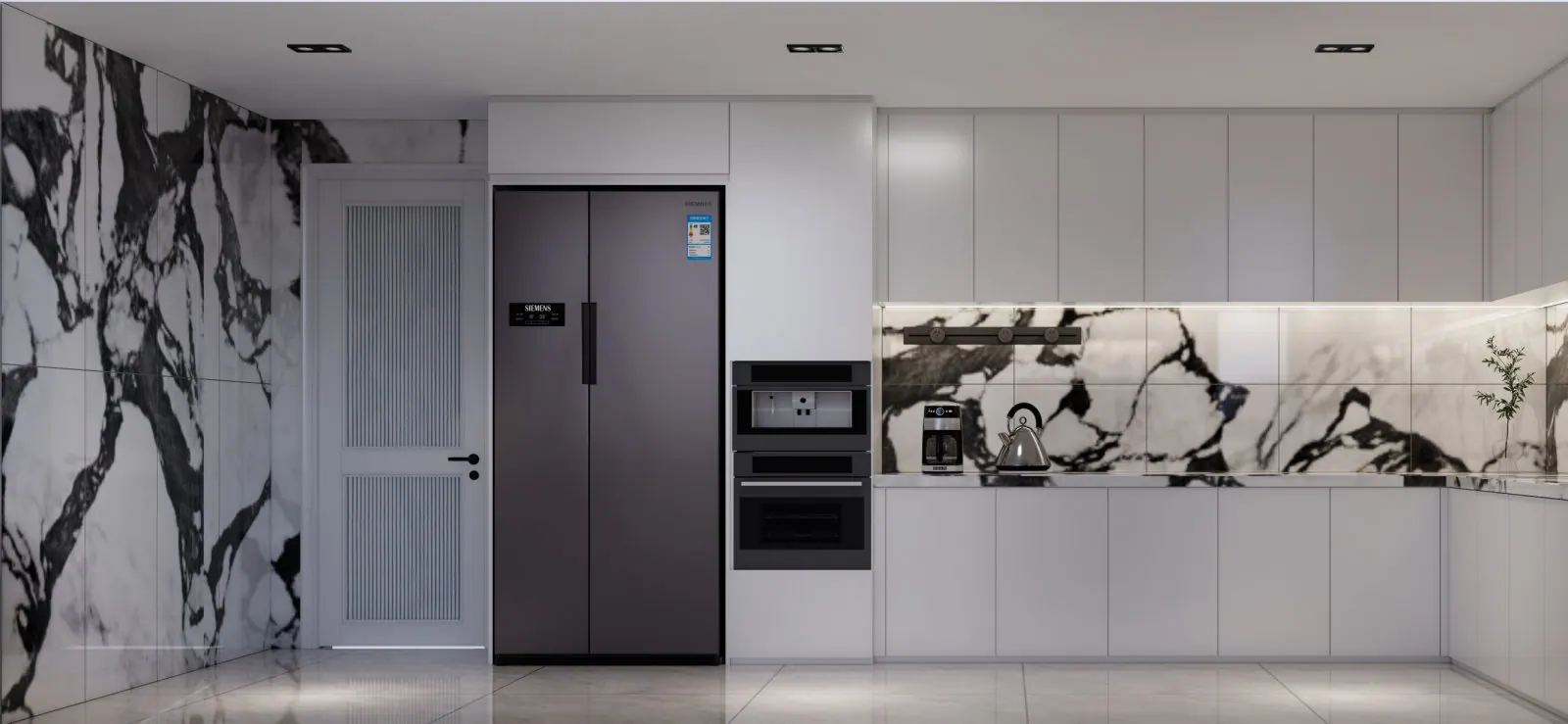
Kitchen & Cabinetry Materials Compared.
Published: September 16, 2026 · By Mr.Jankin
Quartz, wood veneer, lacquer and metal: the four materials behind every INDECO kitchen, and how we choose between them for homes from Nairobi to Sydney.
SHORT ANSWER
For hot, humid and coastal kitchens, 304 stainless steel or marine-grade aluminium is the most durable because it will not swell, mould or rust if specified correctly.
SPECIFICATION FACTS
- 20 mm
- 50 mm
Walk into any showroom and the cabinets all look the same. The difference is what they are made of, and what that means five years in. Across our kitchen and cabinetry projects in East Africa, the Gulf, Europe, Australia and Southeast Asia, the failures we are called to repair are almost never about the door front. They are about the carcass, the benchtop and the climate they live in. Four materials build most of our kitchens.
Before comparing surfaces, one principle: a kitchen is an assembly, not a set of boxes. The benchtop, the carcass substrate, the edging and the fixing method all have to suit the same humidity, heat and usage. Our solutions process starts every kitchen from the room and the brief, not the sample board.
1. Quartz & solid-surface benchtops: the workhorse
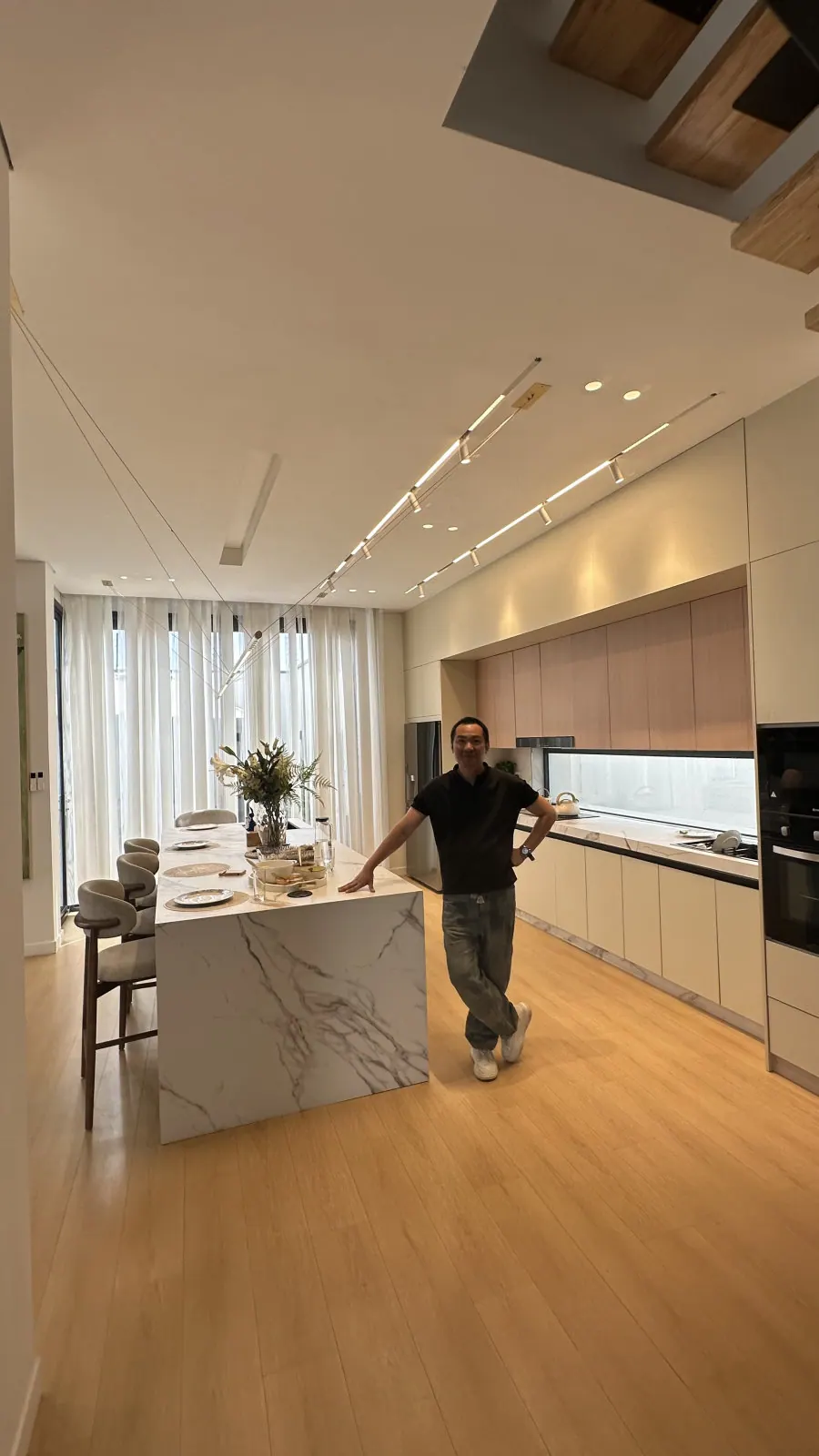
Engineered quartz and solid-surface acrylic are our default for most kitchens. They shrug off stains, do not harbour bacteria, and stay put under a hot pan. The real variable is edge profile and seam placement: done badly, a 3-metre island looks like two benches. In humid SE Asia and coastal East Africa we insist on a full 18–20 mm slab with a mitred edge rather than a thin laminate, because the cheaper build delaminates within two seasons of monsoon humidity.
2. Wood veneer & lacquer carcasses: warmth with discipline
For clients who want the depth of real timber without solid-wood movement, we build MR-MDF or plywood carcasses and face them with wood veneer or a sprayed lacquer. Veneer reads premium and is stable; lacquer gives a continuous, modern matte or gloss. The catch is moisture at the plinth and the sink run: we detail a 50 mm stainless or aluminium kick and seal every cut edge on site. A poorly sealed veneer carcass in a Gulf summer swells at the base within a year. Specified correctly, this is our most-requested finish for villas and penthouses.
3. Metal & glass accents, where the kitchen meets the room
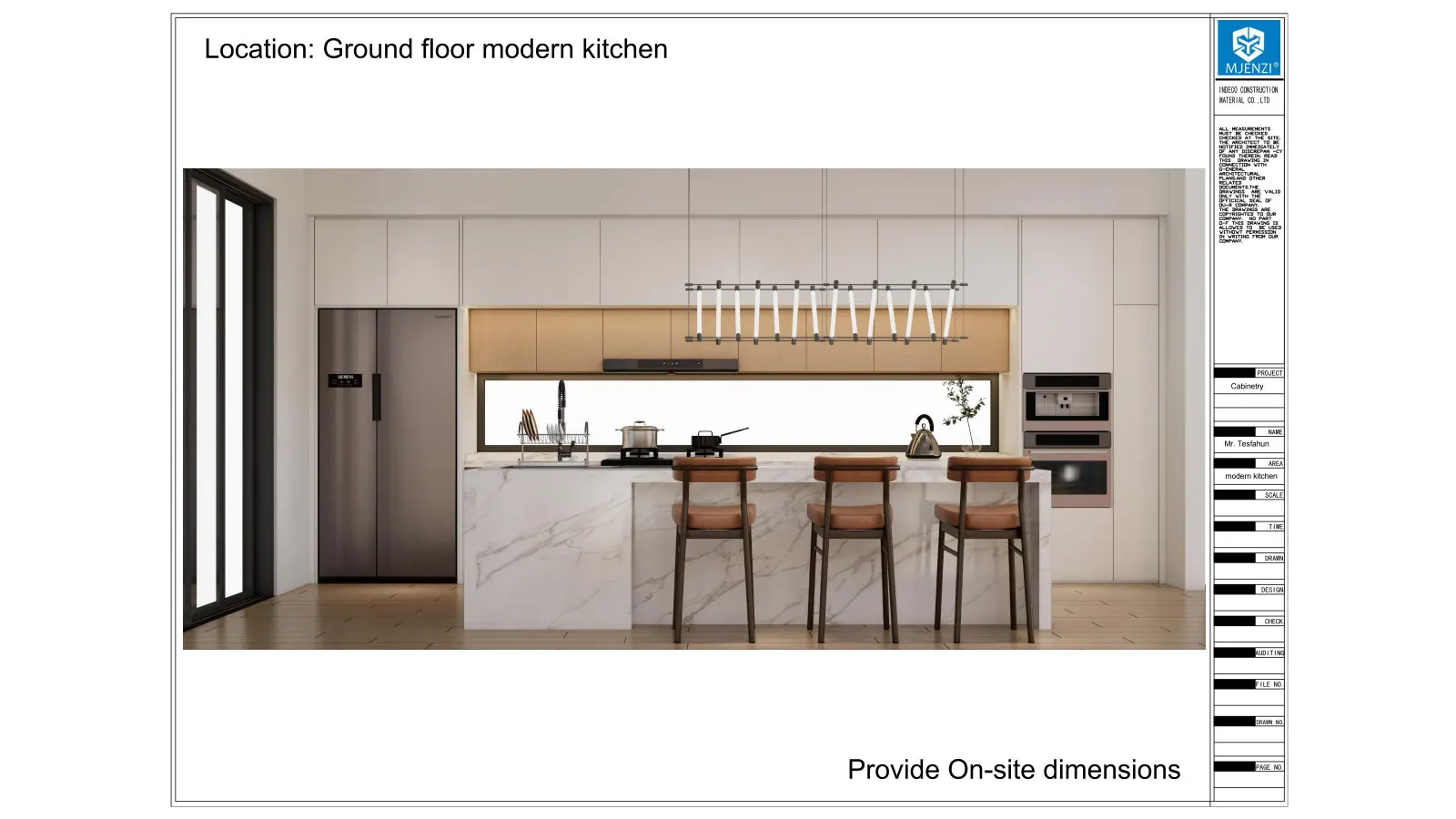
Brushed stainless, blackened steel and tinted glass turn a functional kitchen into a piece of architecture. We use metal for open shelving, island trims and the integrated handles that define a contemporary look, and glass for upper cabinets and display units. These are the details that read as “designed” rather than “fitted”. The only rule that matters: match the metal finish to the rest of the home. A warm-brass handle against a cool-grey lacquer always looks like an afterthought.
4. The regional decision, in one frame
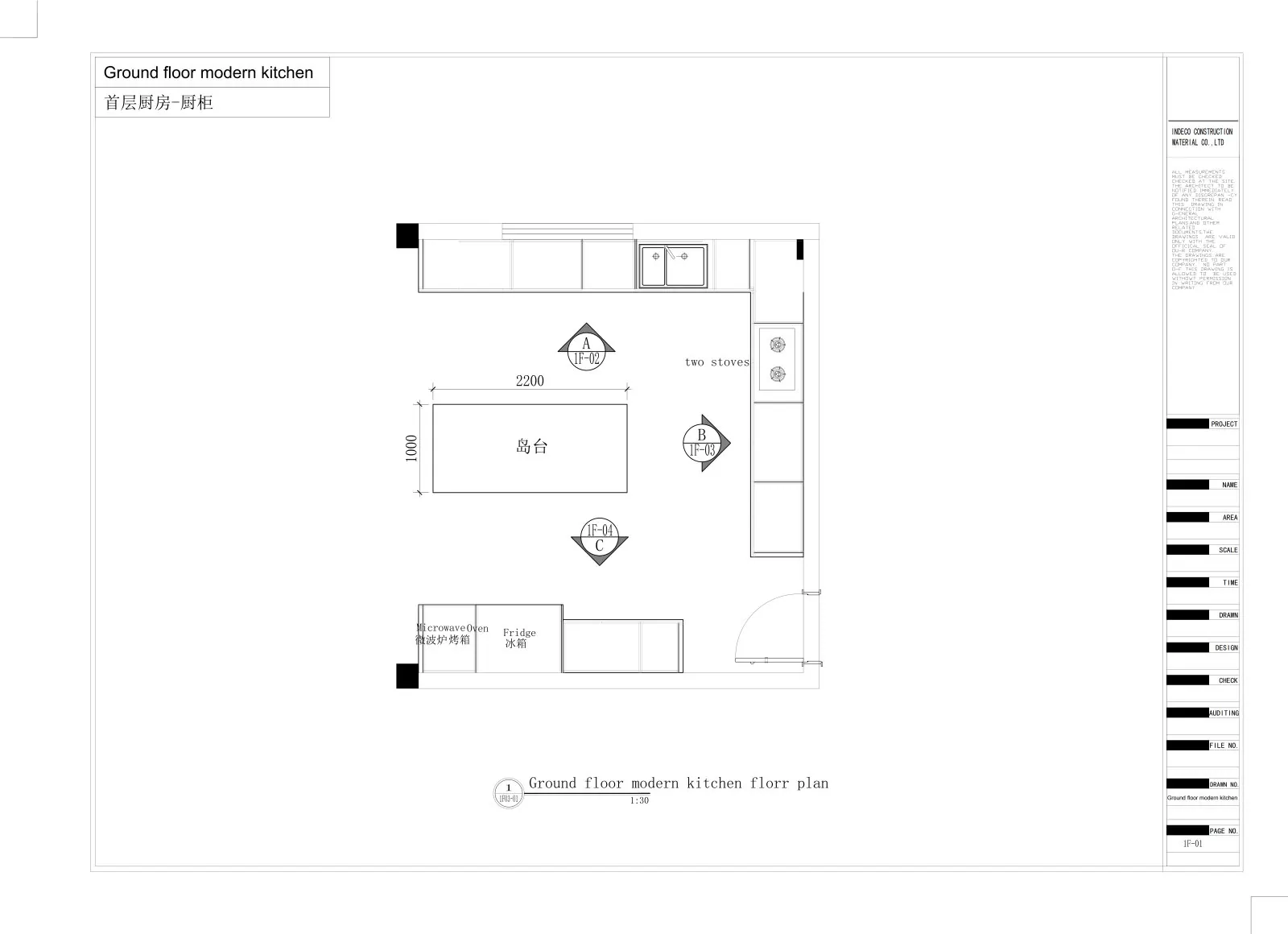
Hot-humid (SE Asia, East Africa coast): full-thickness quartz, sealed carcass edges, aluminium kicks. Dry-heat (Gulf): lacquer and veneer perform beautifully. Just ventilate the appliances. Cold (Europe): plywood carcasses handle seasonal movement best. Coastal (Australia): marine-grade fixings on any exposed metal. High-usage (all markets): avoid open-grain timber near the sink; specify a non-porous bench.
Planning a kitchen?
Send us your layout and the room dimensions. We return a material recommendation, a finish schedule and an itemised BOQ with lead times, typically within one working day. You can also browse our completed project gallery or read the companion installation guide.
Request a Kitchen BOQ →Frequently asked questions
Stainless steel, solid wood or melamine — which kitchen cabinet lasts in the tropics?
For hot, humid and coastal kitchens, 304 stainless steel or marine-grade aluminium is the most durable because it will not swell, mould or rust if specified correctly. Solid wood needs a UV-cure sealer and air-conditioning control; melamine (MR grade) is the budget option but edges must be ABS-sealed against moisture. See Sanitary Ware for Hot, Humid Climates.
How do you stop cabinet doors from warping in 80% humidity?
Use 18 mm MR plywood or aluminium cores rather than MDF, specify soft-close hinges with six-way adjustment, and keep a 3 mm reveal. We also advise a vapour break between the carcass and any tiled splashback so moisture cannot wick in. See Installing Cabinetry, Wardrobes & Metal Screens.
What worktop pairs best with tropical kitchen cabinets?
Sintered stone or quartz on a moisture-stable substrate; both resist heat, stains and knife marks. Avoid solid timber worktops near the sink unless they are teak with a marine finish. For budget projects, a 12 mm porcelain slab is a strong alternative.
What is the typical lead time for a custom tropical-kitchen package?
Shop drawings in 5 to 7 days, CNC and finish in 3 to 4 weeks, then container loading. We can compress to 2 weeks for stock finishes. Send your layout and appliance schedule and we return an itemized BOQ with hardware grades.