 INDECO material
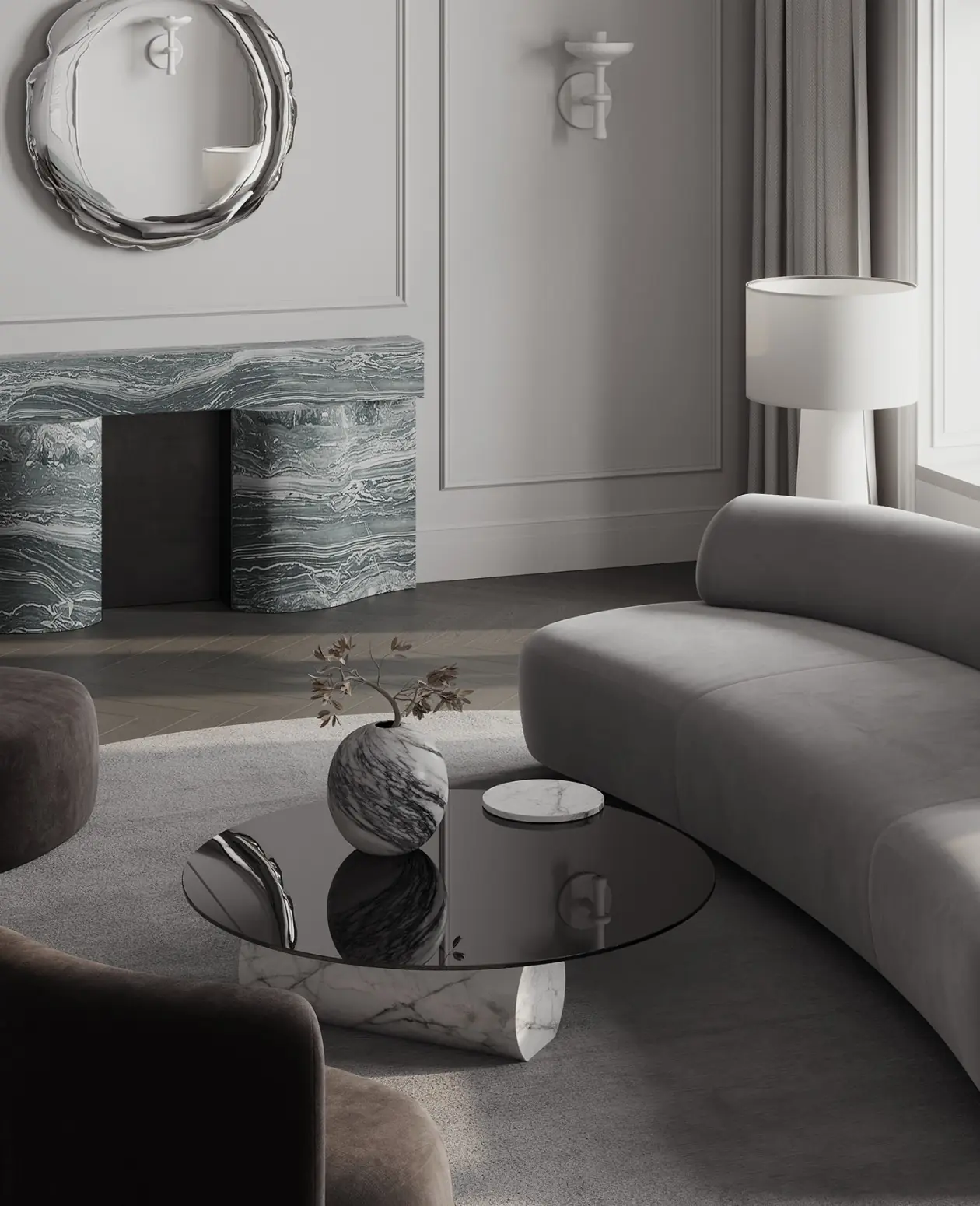
Materials for Asia's Two Climates
From Singapore and Jakarta to Dubai and Riyadh — the same catalogue, respecified for two very different pressures: year-round humidity and salt air in the east, and a 45–50°C arid sun with a 20°C daily swing in the Gulf. We write the baseline before the first tile is cut.
Humid east, arid Gulf.
Asia spans two material baselines. We specify around each: marine-grade hardware and desiccant-filled glazing for the coast (the tropical climate baseline), solar-control low-E glass and external shading for the desert, and cyclone-rated assemblies where the wind comes off the water.
Marine-grade hardware
316 stainless on anything within roughly 20 km of the sea; 304 inland. Hinges, handles and fixings rated for salt air rather than the showroom.
Drained, sloped sills
Window and door sills drained and sloped so monsoon rain cannot pool against the frame and track. We detail the threshold, not just the unit.
Desiccant-filled glazing
Insulated units filled with desiccant and sealed for tropical humidity, so cavities cannot fog from the inside two wet seasons in.
Solar-control low-E glass
For the Gulf we specify low-E glass below 0.35 SHGC with external shading, so west elevations stay liveable through a 45–50°C summer peak.
Anti-termite timber
Joinery and boarding treated and dried to 8–10% moisture content, specified against the termite load of each site rather than a generic treatment.
Cyclone-rated assemblies
Frames, fixings and glazing scheduled to local wind-load expectations for exposed coastal and island projects across the region.
Six lines, specified for the site.
Each line below is respecified for Asian service — humid, coastal or arid. Open a collection for grades, finishes and the packing we use for the route.
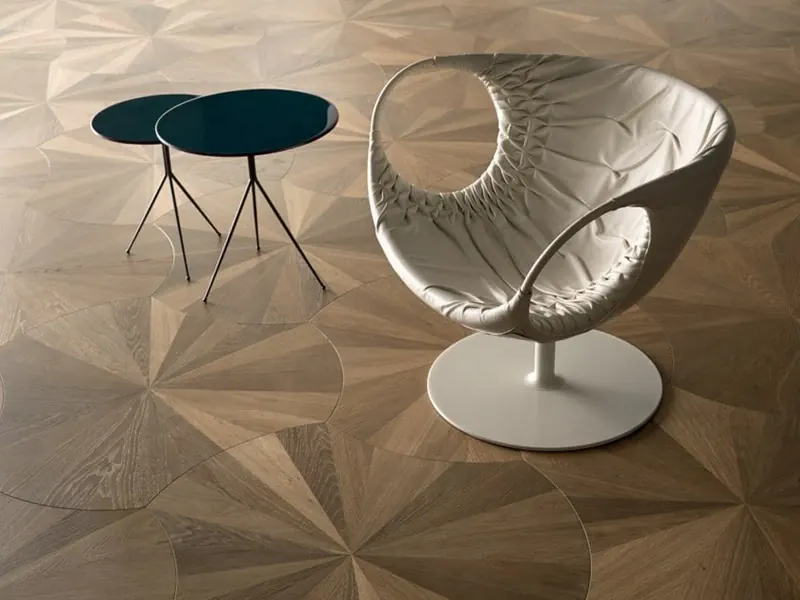
Floor Tiles
Slip-rated porcelain for verandas, pools and wet areas, supplied in shade-matched batches.
Explore →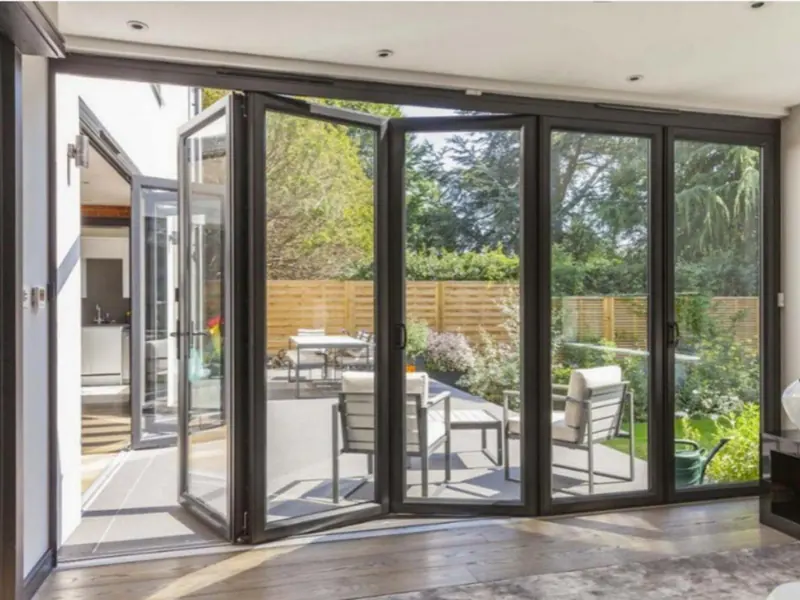
Doors & Windows
Drained sills, marine hardware and sealed glazing built for monsoon, salt air and desert sun.
Explore →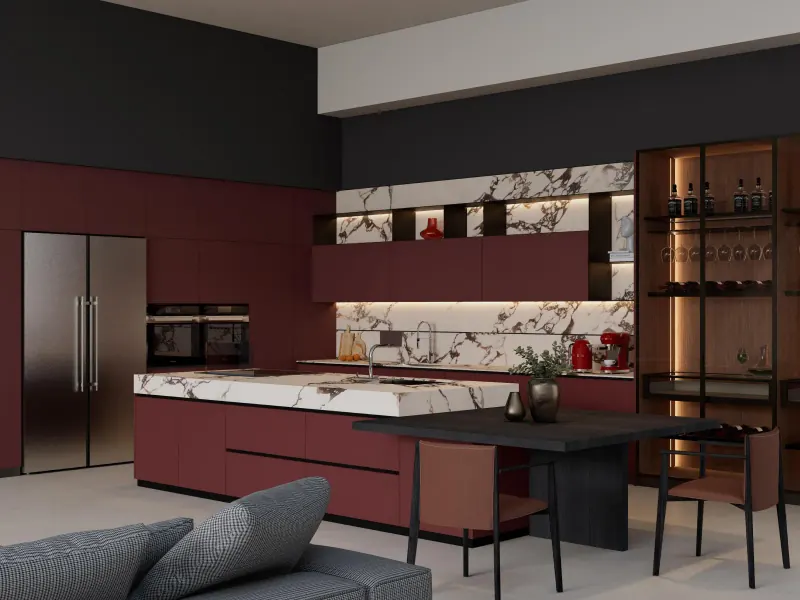
Kitchen & Wardrobe
Moisture-resistant board with stone or sintered tops, built for high-humidity service.
Explore →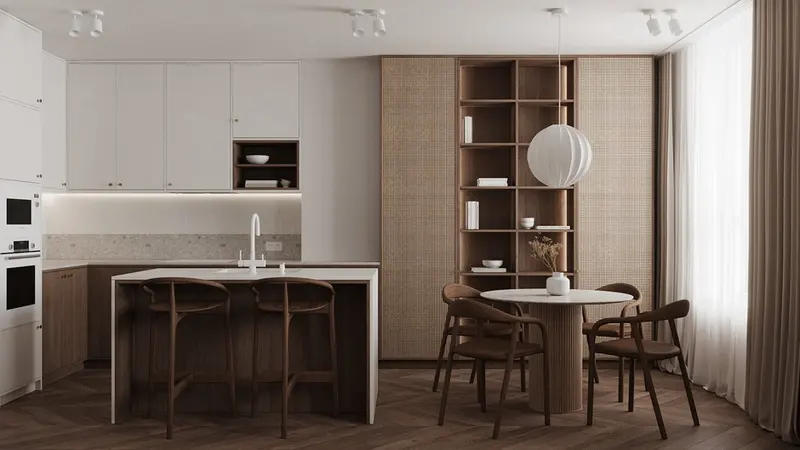
Lighting & Electrical
IP-rated, dimmable fittings for verandas, bathrooms and covered outdoor living.
Explore →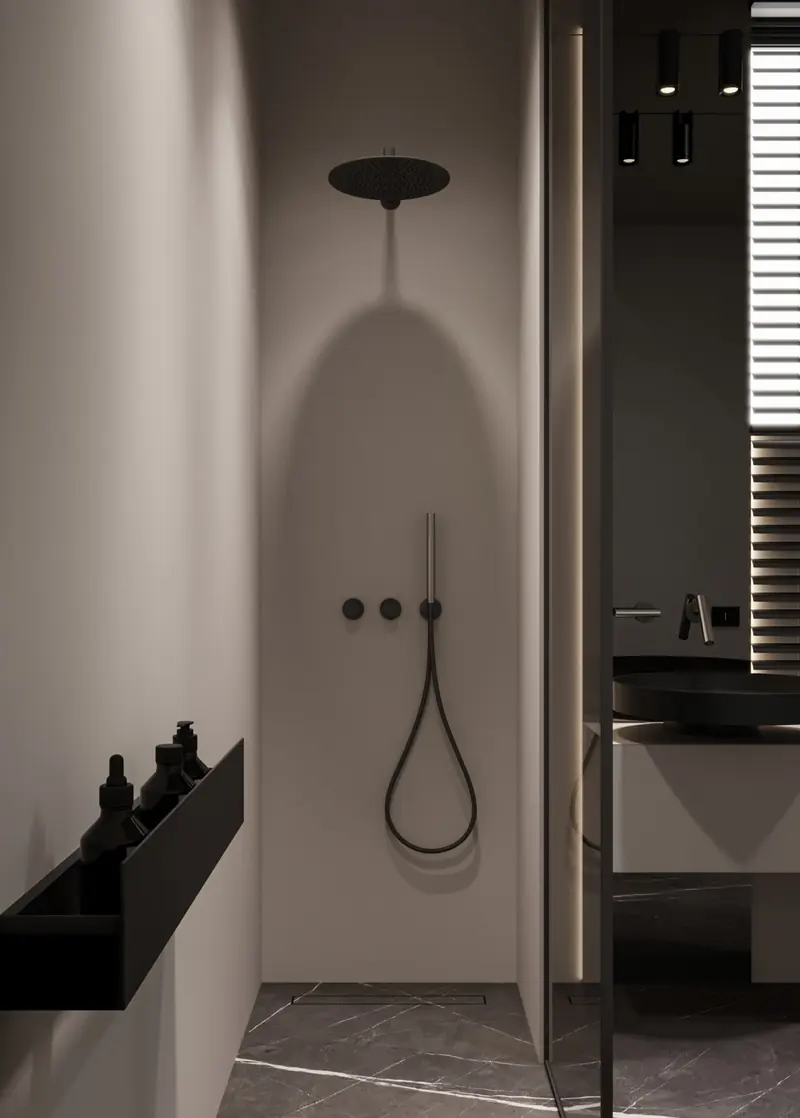
Sanitary & Bath
Fixtures and rough-in kits specified for hard water and high humidity.
Explore →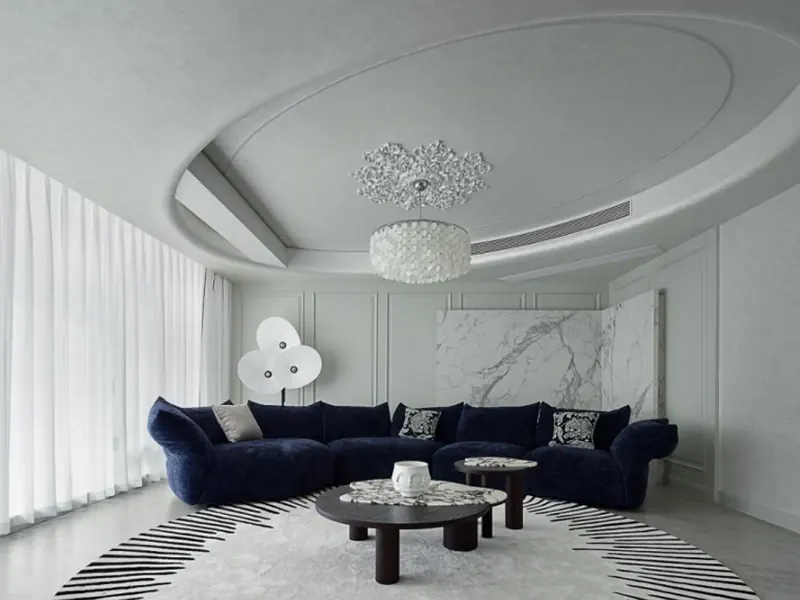
Furniture
Contract-grade frames and quick-dry foams for resorts and humid-climate living.
Explore →Asia's highest-specification market.
Dubai, Abu Dhabi, Riyadh, Jeddah and Doha run at a 45–50°C summer peak, so we specify solar-control low-E glass below 0.35 SHGC, external shading, thermally broken frames and 316 stainless within 20 km of the coast. Explore the Gulf as its own sub-region:
Gulf overview · UAE · Saudi Arabia · Qatar
What buyers ask before ordering.
What changes between a humid Asian site and an arid Gulf site?
Humid sites need sealed glazing cavities, treated boards and corrosion-resistant fixings; arid sites need solar-control glass, thermal-break frames and finishes that tolerate large day-night temperature swings. We specify from the site conditions, not from one catalogue.
Which glass do you specify for west-facing elevations in hot climates?
Solar-control low-E insulated glass with a low solar heat gain coefficient, paired with thermally broken frames and external shading. The aim is a liveable interior through a 45-50 degree peak without oversizing the cooling plant.
How do you stop insulated glass fogging in the wet season?
We use desiccant-filled spacers and a dual edge seal rated for tropical humidity. Cheap single-seal units pull moisture through the spacer within a few wet seasons and then fog permanently, so we exclude them from the schedule.
Are timber and board products protected against termites?
For tropical projects we specify treated board and kiln-dried timber, keep organic material away from slab contact, and document the treatment in the submittal so the consultant can see what has been specified.
Can frames be scheduled for monsoon wind loads?
Yes. Frame section, fixing pattern and glazing thickness are sized to the wind-load expectation for the exposure, and the schedule is issued with the submittal so the structural sign-off has the data it needs.
Request a quote for Asia.
Send your BOQ or drawings and we return a coordinated material proposal with a climate and coastal baseline, lead times and FOB/CIF pricing.