
Thailand Fire Alarm System: TISI & UL Certified, Locally Made
Published: October 24, 2026
A Thailand fire alarm system is judged by two certificates before it is judged by anything else: TISI marking for the local market, and UL listing for the international supply chain. We break down what a locally manufactured, certified addressable system actually contains, and why it is becoming the default for towers and serviced apartments from Bangkok outward.
A fire alarm system in Thailand lives or dies on paperwork before it lives or dies on performance. The local authority signs off on TISI marking; the insurer signs off on UL listing; only then does anyone look at the device on the ceiling. For a mixed-use commercial and serviced-apartment tower, that two-certificate gate decides which manufacturers are even allowed on the bill of quantities.
The interesting shift in the last two years is where those certified devices are made. A generation of fire detection products is now manufactured inside Thailand, carries both TISI and UL marks, and reaches a Bangkok site in days rather than clearing customs for weeks. This note explains the component list, what the certificates actually buy you, and why local manufacturing changes the procurement math for a Thailand fire alarm system.
1. Why Thai projects are standardising on certified, locally made detection
Thai building and fire codes require detection products placed on the market to carry TISI (Thai Industrial Standards Institute) marking. The same devices are frequently asked to show UL listing by the project's insurer or by a specification written against an international standard. Importing certified hardware satisfies both, but it also imports lead-time risk: a single missing certificate can hold a shipment at the border and slip a handover date by a month.
Sourcing the detection layer from a manufacturer based in Thailand removes that risk. The TISI conformity is established domestically, spare parts sit in-country, and Thai-language commissioning documentation travels with the equipment. For a serviced-apartment block where the fire system is part of the occupation licence, that local footprint is worth more than the small unit-price difference it may carry.
2. What TISI and UL certification actually buy you
TISI confirms the product conforms to the Thai industrial standard for fire detection: the test method, the environmental rating and the marking are all validated for the Thai market. UL listing is an independent, internationally recognised test of the same device against a different (and often stricter) set of fire and electrical safety criteria. A product carrying both is unusual and valuable: it satisfies the local authority and the international insurer at the same time, with no translation gap between the two certificates.
For the specifier, the practical meaning is simple. TISI gets the device approved to operate in Thailand; UL gets the device approved to be trusted by whoever is underwriting the building. Both marks on one locally made device is the configuration most Thai tower projects now ask for by default.
| Model | Device | Role in the system |
|---|---|---|
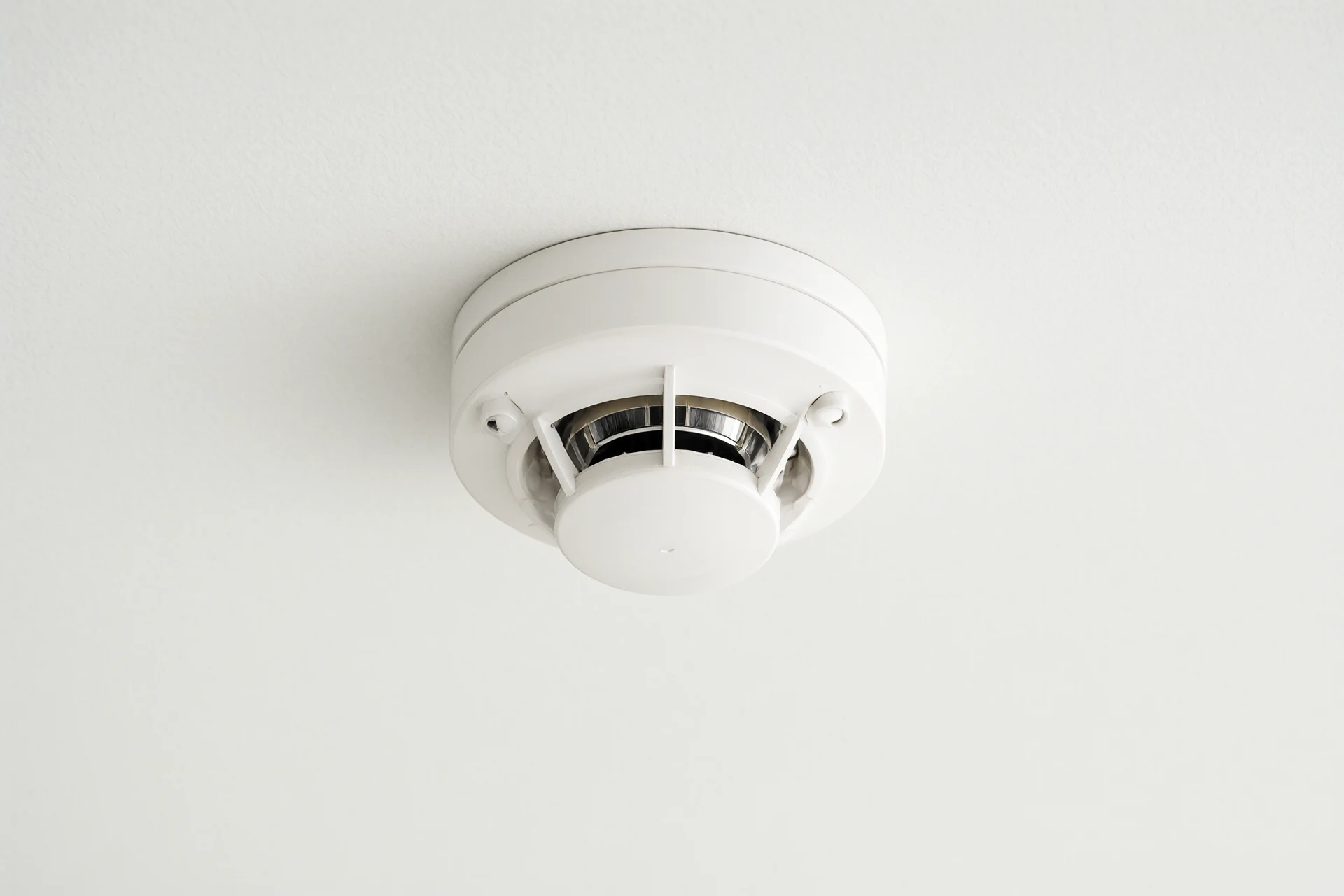
| FW2511 | Photoelectric Smoke Detector | Ceiling detection of smoke on the addressable loop |
| FW2521 | Heat Detector | Rate-of-rise and fixed-temperature heat detection for kitchens and plant |
| FW2501 | Detector Base | Wiring interface and address setting for each detector |
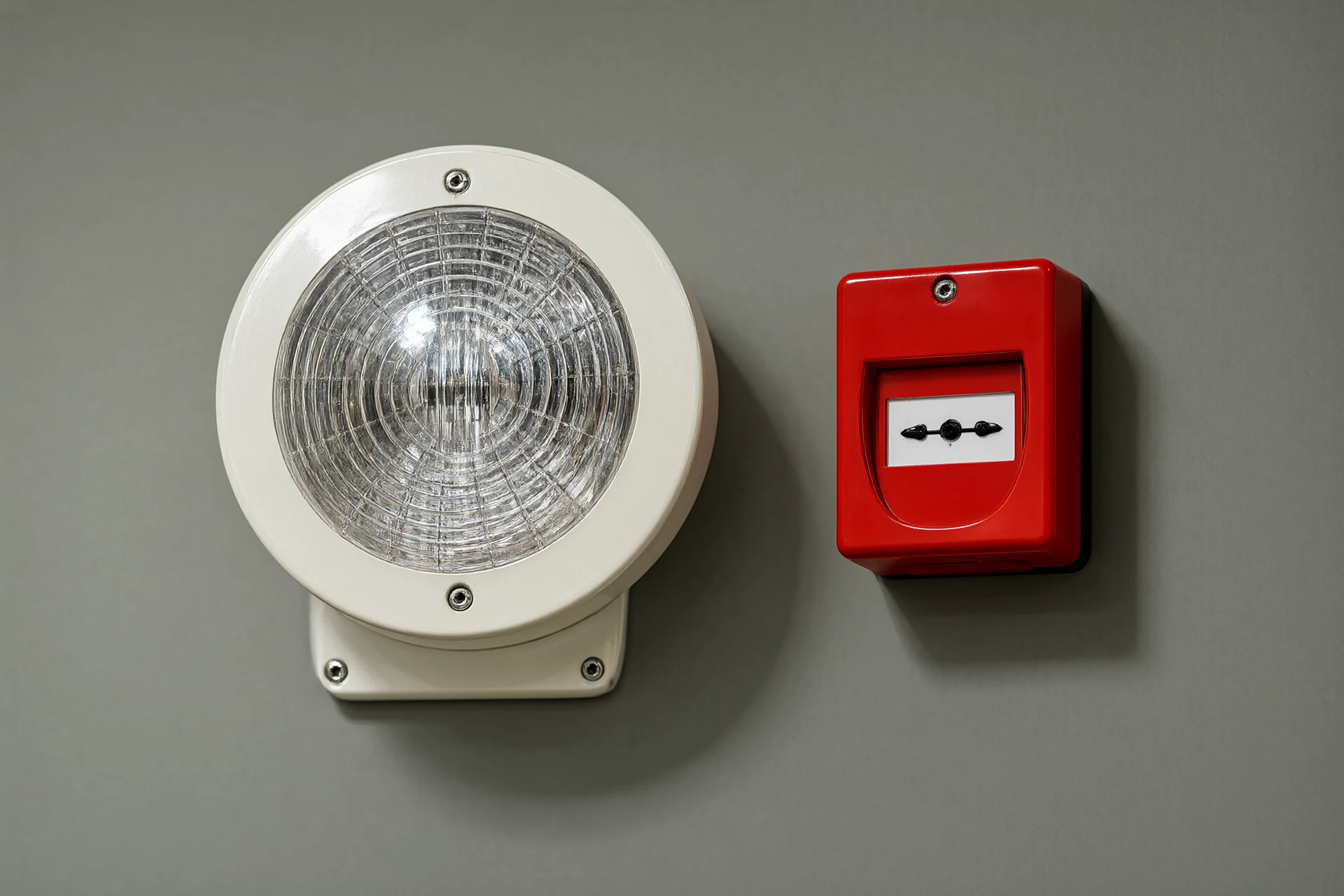
| FW2961R | Horn Strobe | Audible and visual alarm for evacuation |
| FW2901R | Horn Strobe Base | Mounting and wiring base for the horn strobe |
| FW2851 | Isolator Module | Limits a short circuit to one section of the loop |
| FW2728-ULEU | Manual Call Point | UL-listed break-glass station for manual alarm |
| FW709 | Manual Call Point Base | Mounting base for the call point |
| FW2821 | Input / Output Module | Controls ancillary equipment such as door releases |
| FW2811 | Input Module | Monitors dry contacts from third-party equipment |
| FW801 | Module Base | Mounting base shared across the module range |
| AP003 | Sprinkler Head | Ceiling water discharge paired with the pumped supply |
3. The addressable system, component by component
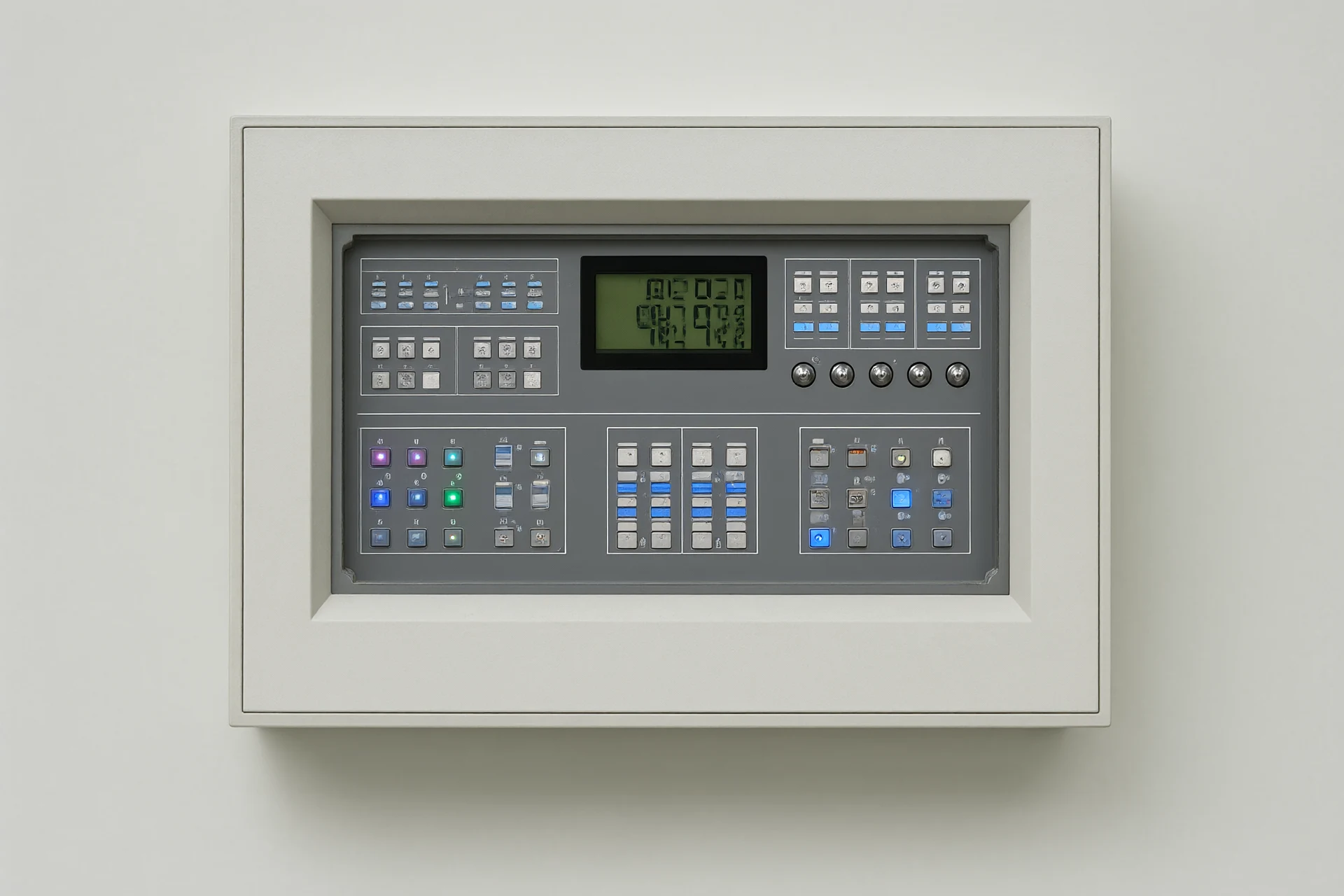
An addressable architecture puts every device on a loop with its own address, so the fire alarm control panel reports a fire as "smoke detector FW2511, level 12, zone B" rather than "something on the east wing." That precision shortens evacuation and speeds the fire brigade's first search. The loop carries detectors and bases, while horn strobes and manual call points handle alarm and evacuation at the human end.
Modules do the quiet work. An isolator module keeps a single short circuit from taking down the whole loop; input and input/output modules bridge the fire system to door releases, lift recall and the building's pumped water supply. None of these are glamorous, but a Thailand fire alarm system that omits them fails its integration test at commissioning.

4. The local-manufacturing advantage for Thai projects
Local manufacturing changes the procurement math in three concrete ways. Lead time drops from weeks of import to days of domestic dispatch, so a late design change no longer threatens the handover. Spare parts and Thai-language documentation stay inside the country, which keeps the system serviceable for the whole life of the building. And because conformity to TISI is established domestically, there is no re-testing or customs delay each time a phase of a multi-tower development is ordered.
For the detection and alarm layer, local build also means the manufacturer is reachable for site support during commissioning, not a distributor three time zones away. That proximity is why a locally made, dual-certified Thailand fire alarm system is now the default rather than the premium option on Bangkok-area towers.
5. Specifying a fire alarm system for a Thai tower
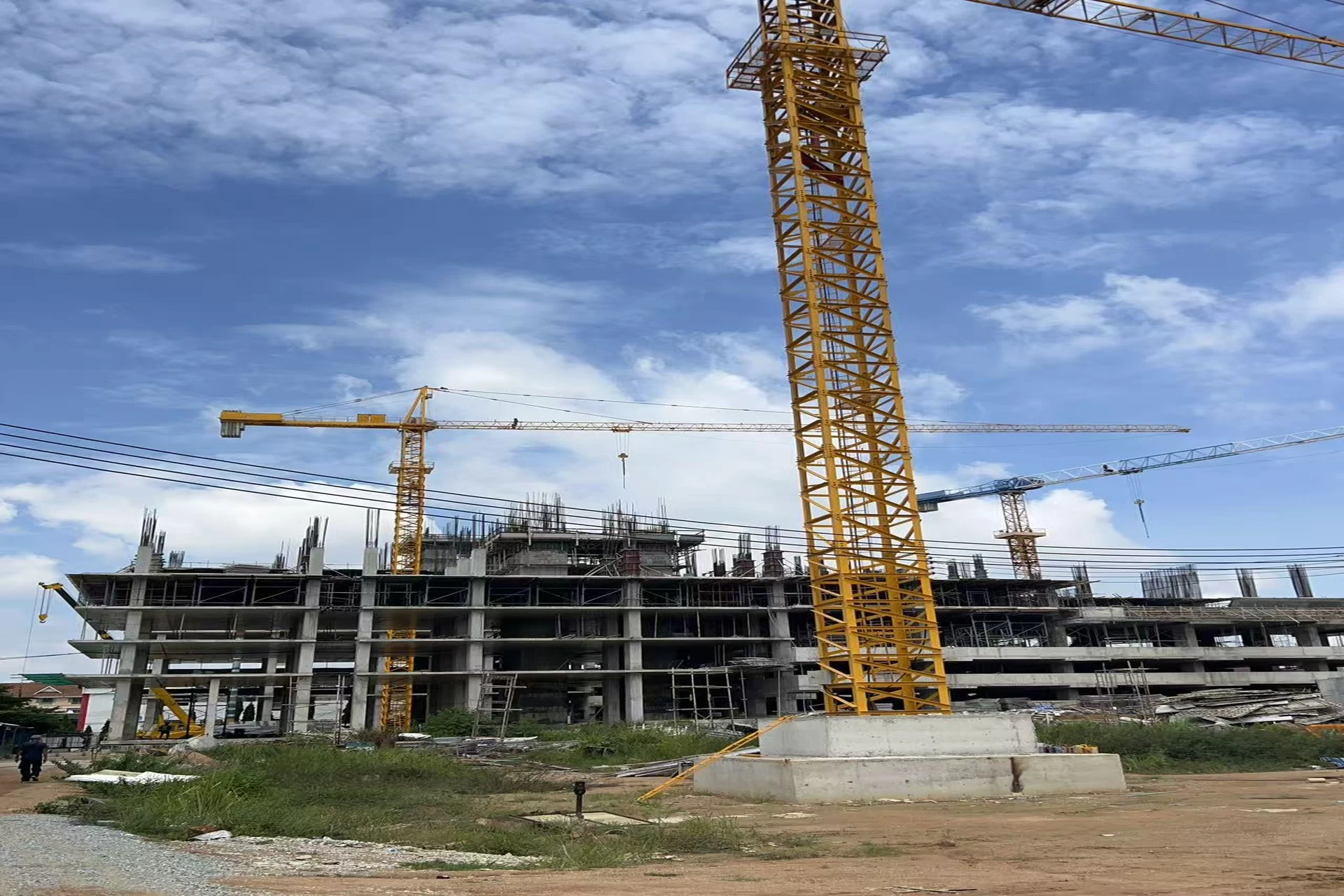
The certificate gate is the easy part to write and the easy part to forget under value engineering. The checklist below keeps a Thailand fire alarm system compliant from the bill of quantities through to occupation.
- TISI marking on every detection and alarm device placed on the Thai market.
- UL listing where the specification or the insurer calls for it, on the same locally made devices.
- Addressable architecture so the panel reports each device by floor and zone.
- Horn strobe and call-point coverage laid out to Thai fire-code spacing, not just to the plan.
- Local service, spare parts and Thai-language documentation available inside Thailand.
The detection and alarm layer above pairs with a pumped water supply and ceiling sprinklers to form the complete active fire system. The integration between the two is where most commissioning delays happen, so the module set (isolators, input and input/output) should be specified with the same certificate discipline as the detectors. The broader material and services thinking behind a compliant Thai building is collected in Commercial Interior Design: Office, Retail & Hotel Specs, and the residential angle in Residential Interior Design: Room-by-Room Spec Checklist.
Frequently asked questions
What is TISI certification for fire alarm systems in Thailand?
TISI (Thai Industrial Standards Institute) marking confirms that a fire detection product meets the Thai industrial standard required for equipment placed on the Thai market. For a Thailand fire alarm system, TISI applies to the detection and alarm devices themselves, and it is typically checked by the local authority and the insurer at handover.
Are UL-listed fire detectors accepted under Thai fire codes?
Yes. UL listing is an independent, internationally recognised test of the same devices, and many Thai tower specifications and their insurers ask for UL listing alongside TISI marking. A locally manufactured addressable system that carries both certificates satisfies both the Thai market and the international supply chain.
Why specify locally manufactured fire alarm equipment in Thailand?
Local manufacturing shortens lead times from weeks of import to days, keeps spare parts and Thai-language documentation inside the country, and supports faster commissioning and service. For a Thailand fire alarm system it also removes the TISI re-testing and customs delay that imported-only supply chains carry.
What components make up an addressable fire detection system?
An addressable loop carries photoelectric smoke detectors, heat detectors and detector bases, horn strobes and manual call points for alarm and evacuation, isolator and input/output modules, a fire alarm control panel that reports each device by location, and ceiling sprinkler heads fed by a pumped water supply.