 INDECO material
Specifying Interior Materials Across Five Markets.
Published: September 16, 2026 · By Mr.Jankin
East Africa, the Gulf, Europe, Australia and Southeast Asia: five climates, five failure modes, and how to read a BOQ so the material you specify is the material you get.
SHORT ANSWER
East Africa (Kenya, Tanzania, Uganda, Rwanda), the Gulf, the West Africa coast, Southern Africa and the wider Indian-Ocean and island trade. Each has a different humidity, salt-load and thermal profile, so the same material is specified differently per market.
The same marble, lacquer or timber behaves completely differently in Nairobi, Dubai, London, Sydney and Jakarta. A specification that is flawless in one market is a warranty claim in another. Across our interior projects in all five, the failures cluster around the same patterns. Below is what we watch for in each region, and how a well-read BOQ keeps you honest.
East Africa. Humidity, termites, power
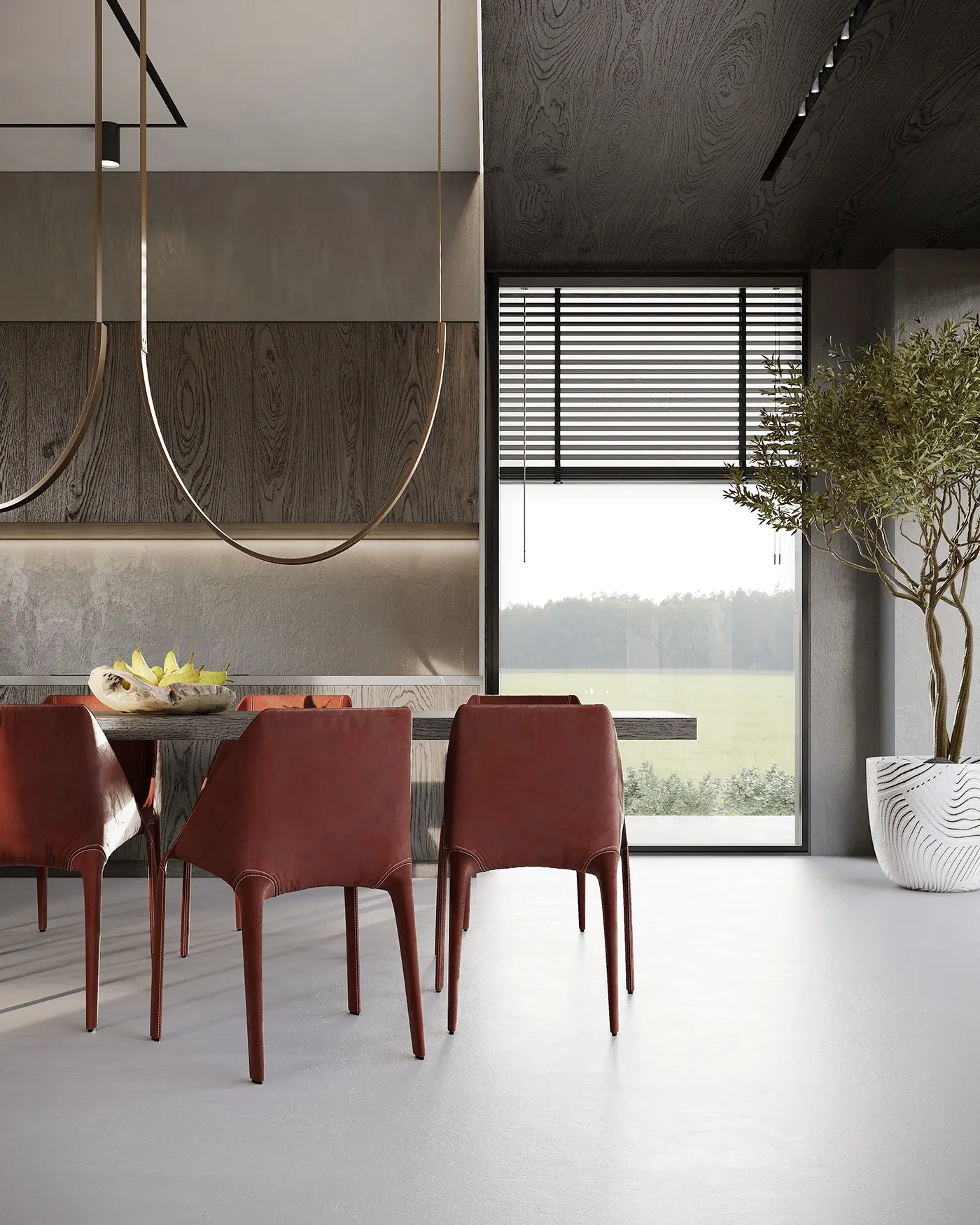
Coastal and lakeside humidity drives swelling and mould in any unsealed MDF, and termite pressure rules out exposed softwood. We specify sealed MR-MDF or plywood carcasses, aluminium kicks, and finishes that survive intermittent power (so no moisture-sensitive curing on a tight programme). The look is warm and residential; the engineering underneath has to be tropical.
The Gulf. Heat, dust, and flawless lacquer
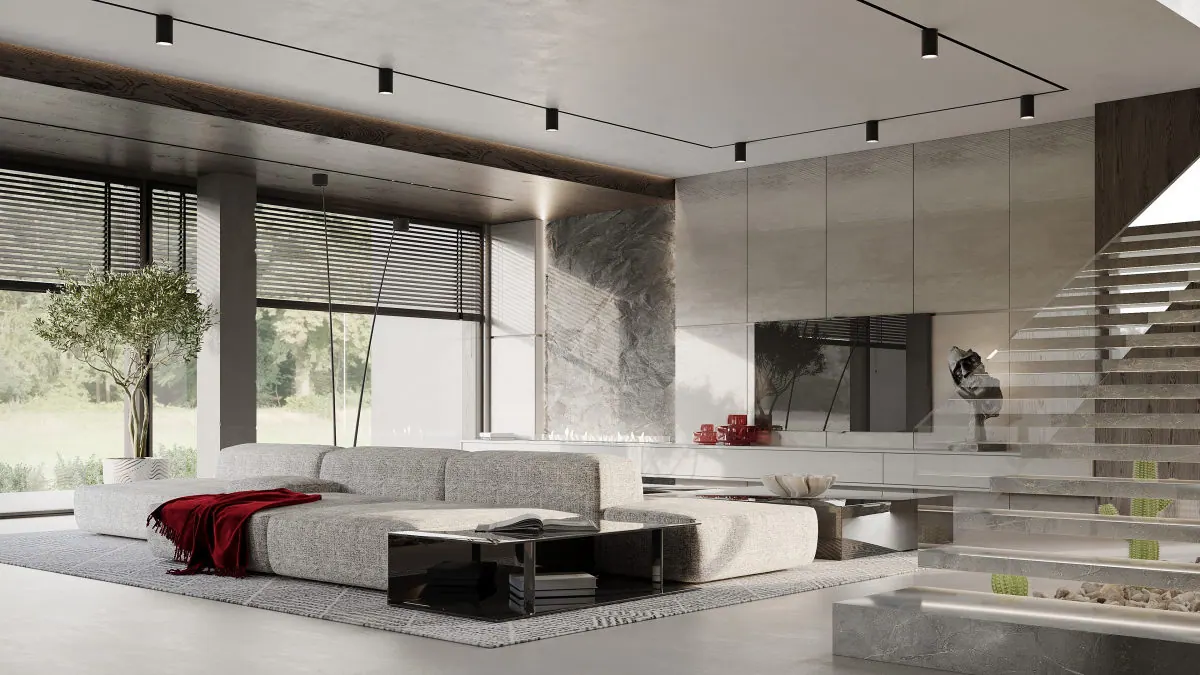
Dry heat is kind to timber but brutal to anything that traps dust or shows a fingerprint. Lacquer and veneer perform beautifully here, provided the workshop is climate-controlled and the panels are acclimatised before finishing. The failure mode is micro-cracking from rapid temperature swing between a 24°C interior and a 50°C loading bay; we acclimatise on site for 48 hours before fitting.
Europe. Seasonal movement
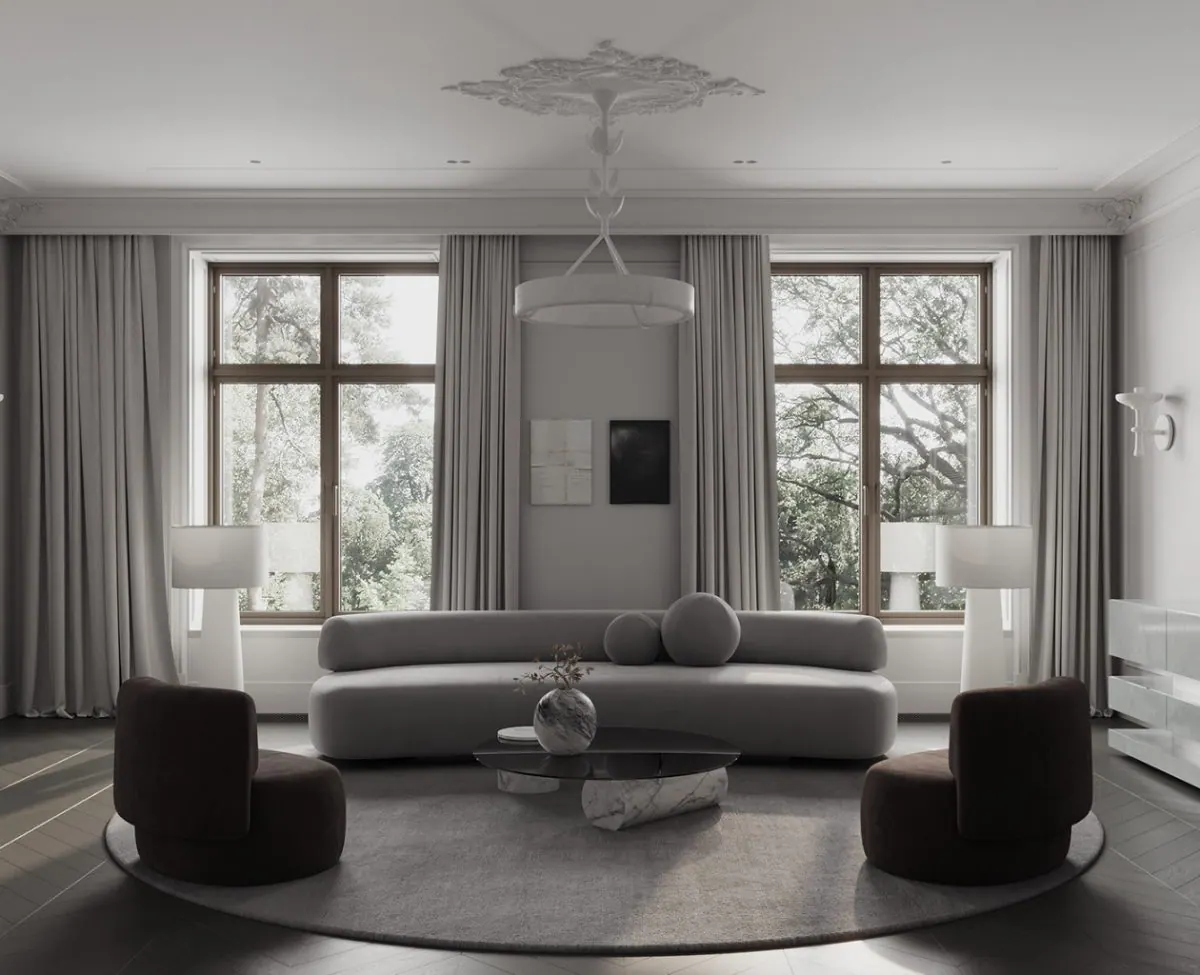
Continental Europe swings from central heating in January to humidity in July. Solid timber moves; veneer on a stable plywood carcass barely does. We detail movement joints at long runs and avoid full-height solid-wood doors that will bind by year two. The brief here is often heritage-adjacent, so the finish has to read authentic while the substrate does the structural work.
Australia. Salt air and bushfire rating
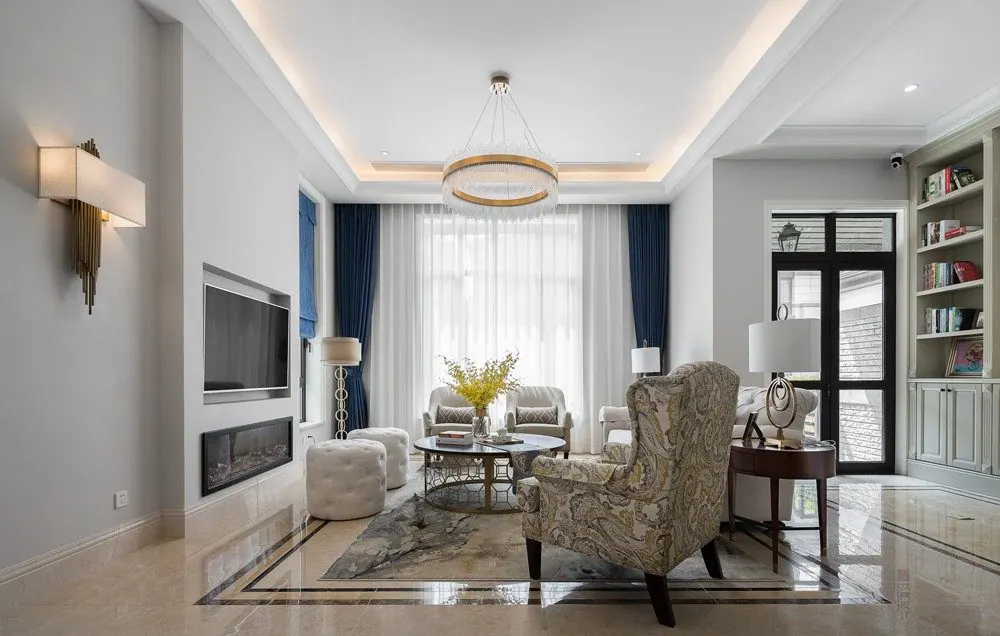
Coastal Australian projects demand marine-grade fixings on any exposed metal and a Bushfire Attack Level (BAL) rating on materials near the perimeter. We specify non-combustible substrate and stainless hardware as standard, and document the rating in the BOQ so certification is straightforward. The aesthetic is relaxed and light; the compliance underneath is non-negotiable.
Southeast Asia. Monsoon and mould
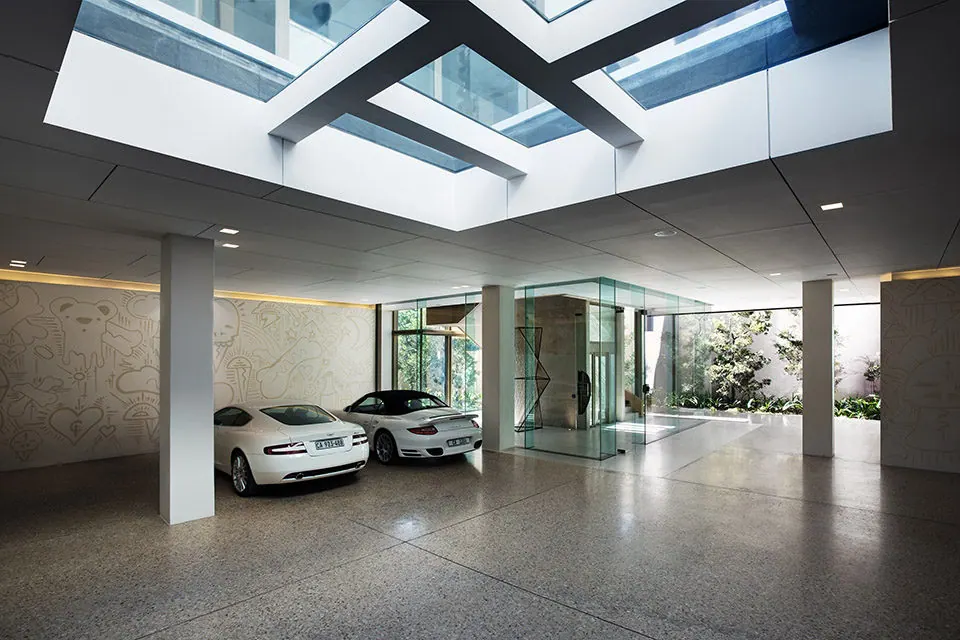
The region's combination of year-round heat and monsoon spikes makes trapped moisture the enemy. Every carcass edge is sealed, every plinth is aluminium, and we ventilate behind any wall-hung run. The winning materials are quartz benchtops, sealed lacquer and metal accents: all non-porous and quick to dry. Porous stone near a wet zone is the classic monsoon failure we are asked to replace.
How to read a BOQ so you get what you specified
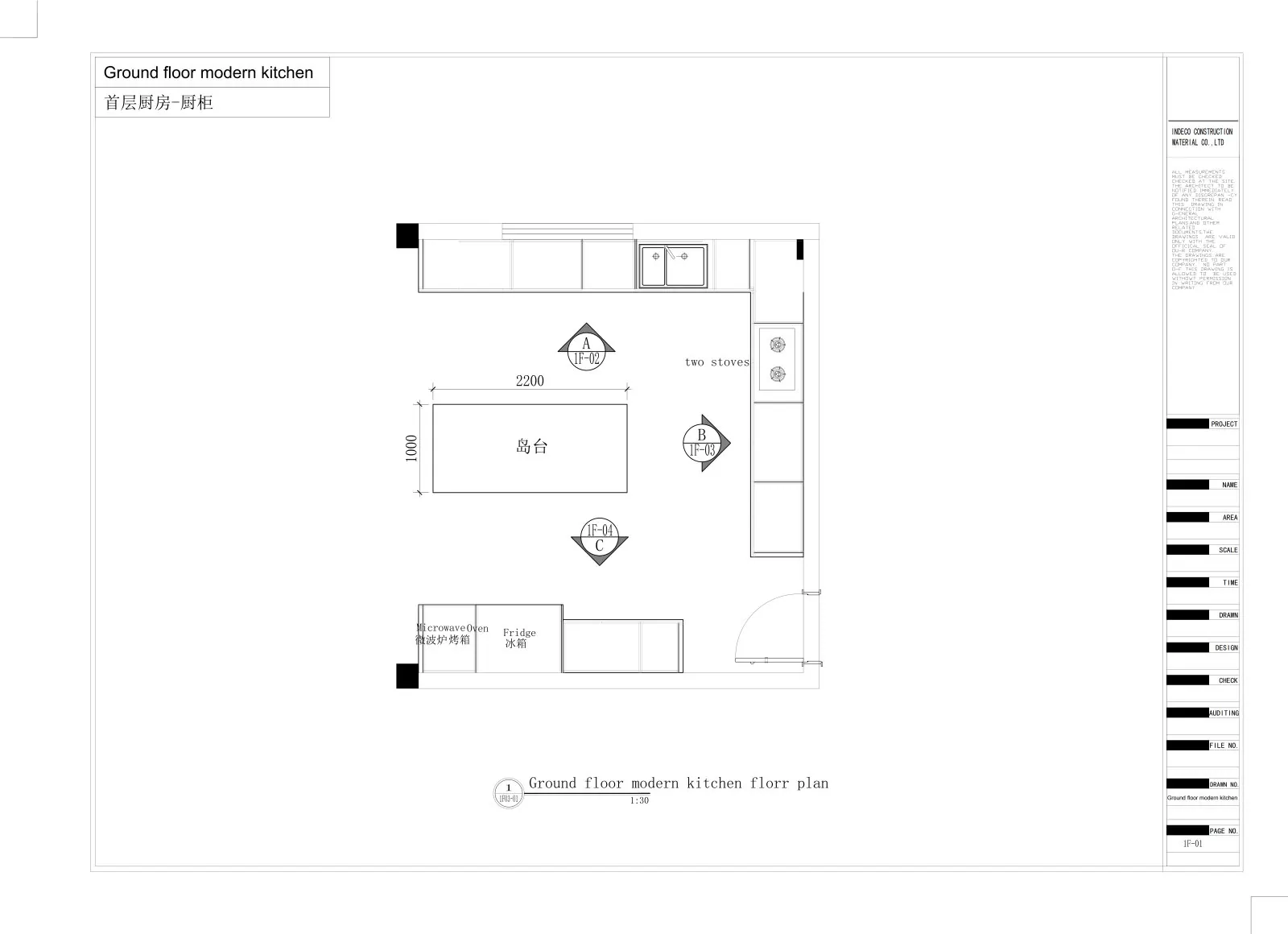
A BOQ is only as good as its detail. We always call out: substrate grade (MR-MDF vs plywood), edging method, metal finish and fixing grade, and (critically) the exclusions. A line that reads “cabinetry, supply and install” without substrate or fixing detail is an open invitation to a cheaper substitution. The drawing below is how we document a kitchen: every panel, every edge, every fixing, so the workshop and the site cannot quietly downgrade it.
Specifying for your market?
Tell us the location and the room. We return a climate-appropriate material schedule and a detailed BOQ with lead times, typically within one working day. Read the companion materials guide or the installation guide, or browse our completed projects.
Request a Material Schedule →Frequently asked questions
Which five markets does this specification framework cover?
East Africa (Kenya, Tanzania, Uganda, Rwanda), the Gulf, the West Africa coast, Southern Africa and the wider Indian-Ocean and island trade. Each has a different humidity, salt-load and thermal profile, so the same material is specified differently per market. See Who Actually Specifies Materials on East Africa Projects.
How do you adjust a specification for a coastal versus inland site?
Coastal sites within about 5 km of the sea get 316 stainless, anodised or powder-coated aluminium, and salt-spray-rated coatings; inland humid sites use 304 stainless and standard powder coat. We also raise the corrosion class in the BOQ so nothing is under-specified. See West Africa Coastal Material Specifications.
Do you provide a single BOQ that works across all five markets?
We provide a base BOQ plus per-market addenda. The structure is identical but finish grades, fixings and coatings change by destination. This keeps procurement on one contract while satisfying each port's standards and climate.
Can you consolidate materials for a mixed-use development?
Yes. We bundle flooring, cabinetry, screens, sanitary and cladding into one containerised package with one schedule, one QC pack and one shipping document set, which is the fastest way to hit a tight handover.