 INDECO material
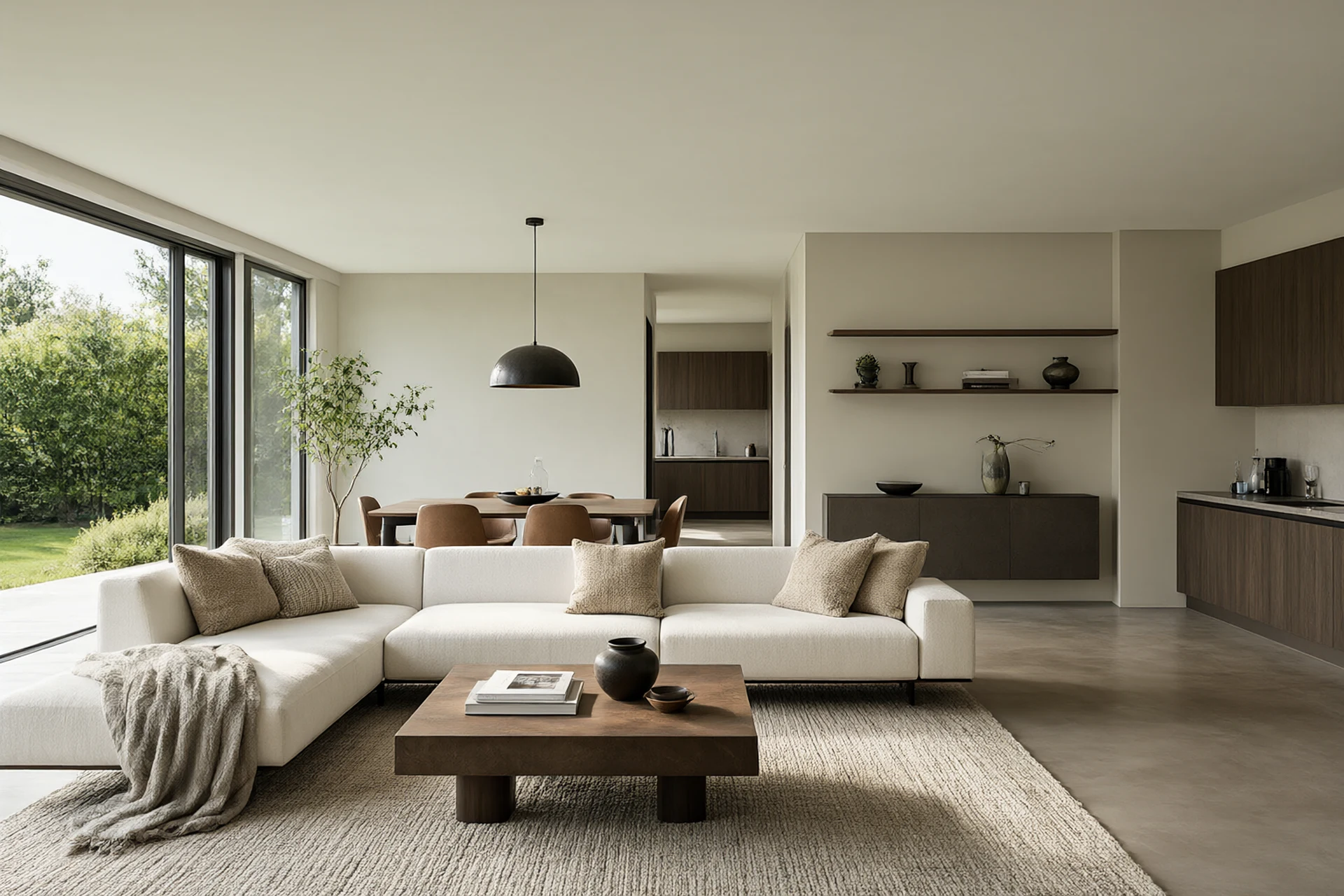
Turnkey Project Contractor vs Item-by-Item Procurement
Published: · By Mr.Jankin
Item-by-item keeps every purchase decision in your hands; a full package hands the schedule to one contractor. What the package buys is coordination — and coordination is what item-by-item quietly spends.
SHORT ANSWER
A turnkey project contractor holds the full fit-out package: a standard villa interior lands at USD 285–525 per m² of built area, luxury at 350–700. Item-by-item procurement keeps control and can trim unit prices, but it buys the coordination cost back in sequence breaks and responsibility gaps. See East Africa Quote-to-Order: Why 135 Quotations Stall for the checkpoints that matter here.
SPECIFICATION FACTS
- USD 285–525 per m² built area, standard villa interior package
- USD 350–700 per m², luxury villa package
- USD 180–320 per m², 90 m² city apartment package
- 12–18% of interior spend sits in the decoration package (USD 28,000–46,000 on a 320 m² villa)
- 1 contract, schedule and claims path under the package model
- 45–60 days production for a mixed package before sea freight
| Factor | Full fit-out package | Item-by-item procurement |
|---|---|---|
| Contract scope | One contract: supply, QC, packing, freight, install | One contract per trade, per shipment |
| Cost control | Package price per m²; variations documented | Unit prices visible; coordination cost hidden |
| Schedule ownership | Contractor owns the sequence and the delays | Owner reconciles every vendor against the programme |
| Responsibility | One party owns defects end to end | Gaps between trades; claims need records |
| Design consistency | One material board, one finish story | Risk of drift across separately chosen items |
| Best fit | Overseas owners, phased villas, hotels, FF&E | Local owners with time and a site team |
1. What the turnkey project contractor includes
A full fit-out package binds supply, quality control, export packing, freight and installation under one contract. The headline number is a per-square-metre range: 285 to 525 for a standard villa interior package, 350 to 700 for a luxury villa, 180 to 320 for a city apartment — all quoted from delivered projects, normalised FOB Foshan before local installation. Item-by-item buys the same objects cheaper per unit and pays for the difference in project management hours the owner never invoices.
2. Who owns the sequence under each model
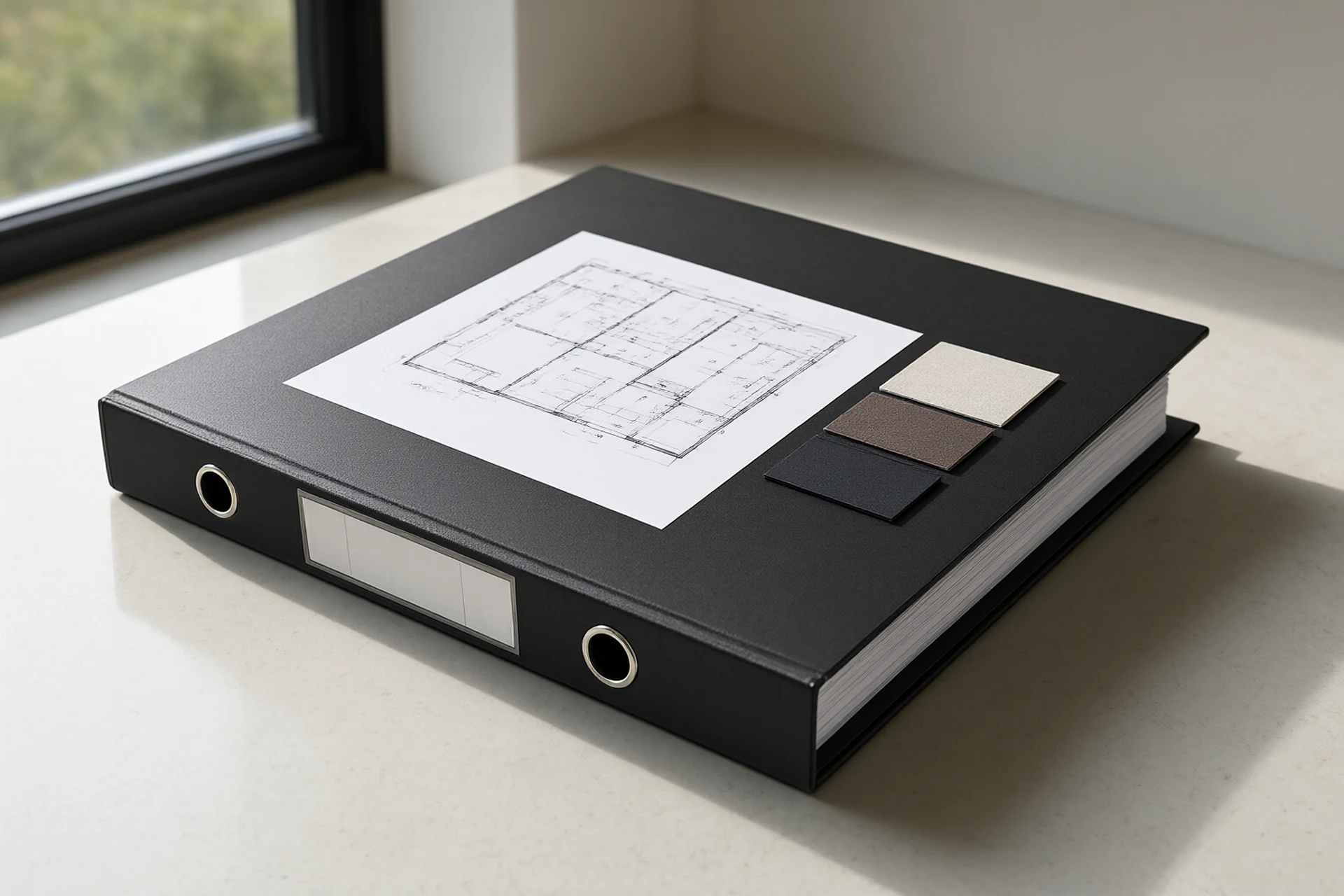
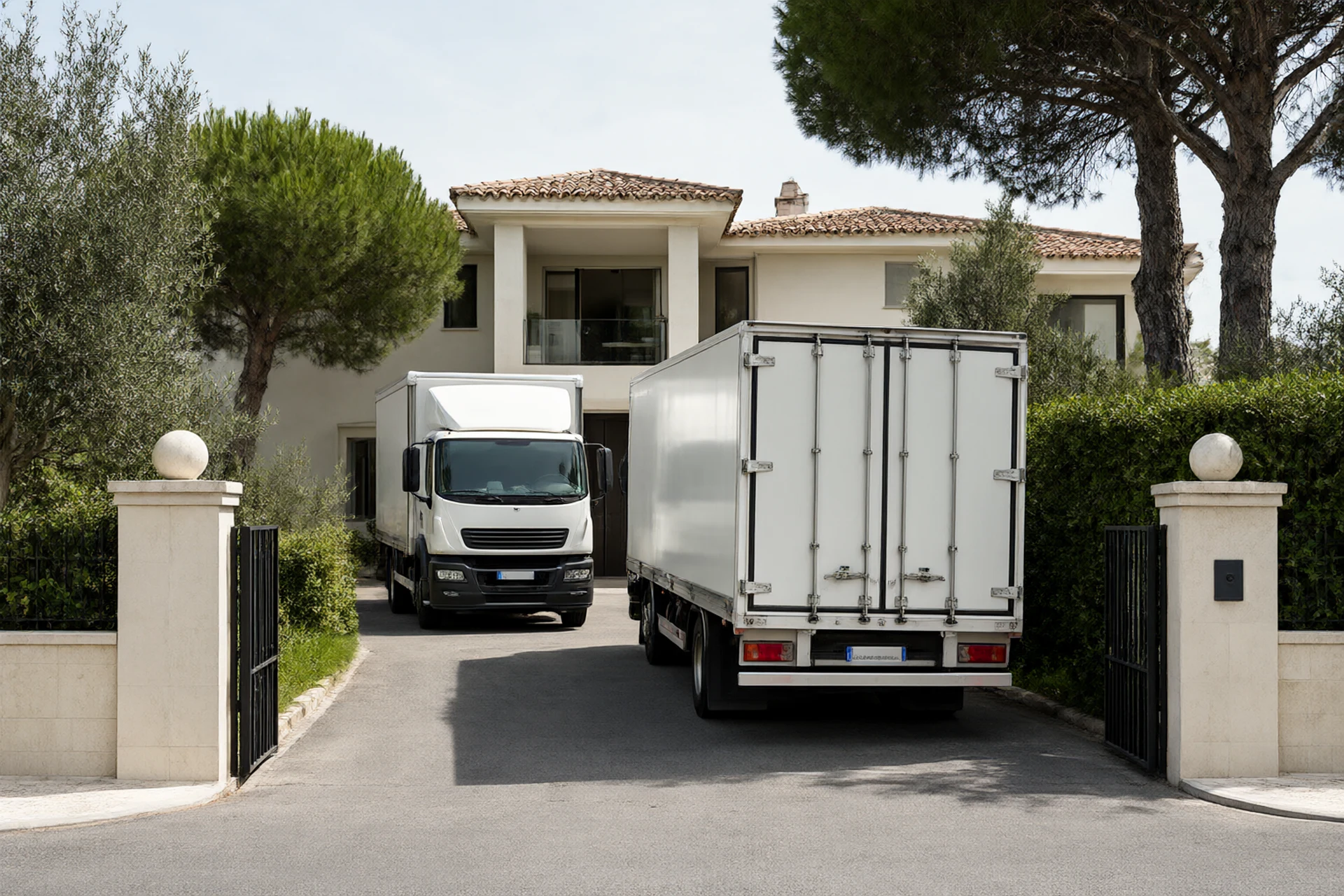
A fit-out runs substrate, floors, walls, cabinetry, fixtures, furniture — and every late delivery breaks the chain behind it. Under a package the contractor owns that chain: consolidated containers loaded in reverse install order, 18 to 28 days port-to-port to East Africa, 12 to 20 days to the Gulf, production two to four weeks after sample approval. Under item-by-item the owner reconciles every vendor against the programme — and splitting one order into three shipments adds USD 2,800 to 4,200 in freight while the site waits.
3. One finish story or many
The decoration layer — loose furniture, lighting, curtains, decor — runs 12 to 18 percent of interior spend, USD 28,000 to 46,000 on a 320 m² villa. Chosen item-by-item, it drifts: four brassy metals instead of one, three white shades that are not the same white. A package holds one material board from sample to handover, which is why hotel groups buy FF&E as a package rather than a shopping list. See Hotel Construction Materials: What Hotel Owners Worldwide Order for the checkpoints that matter here.
4. Where item-by-item is genuinely better
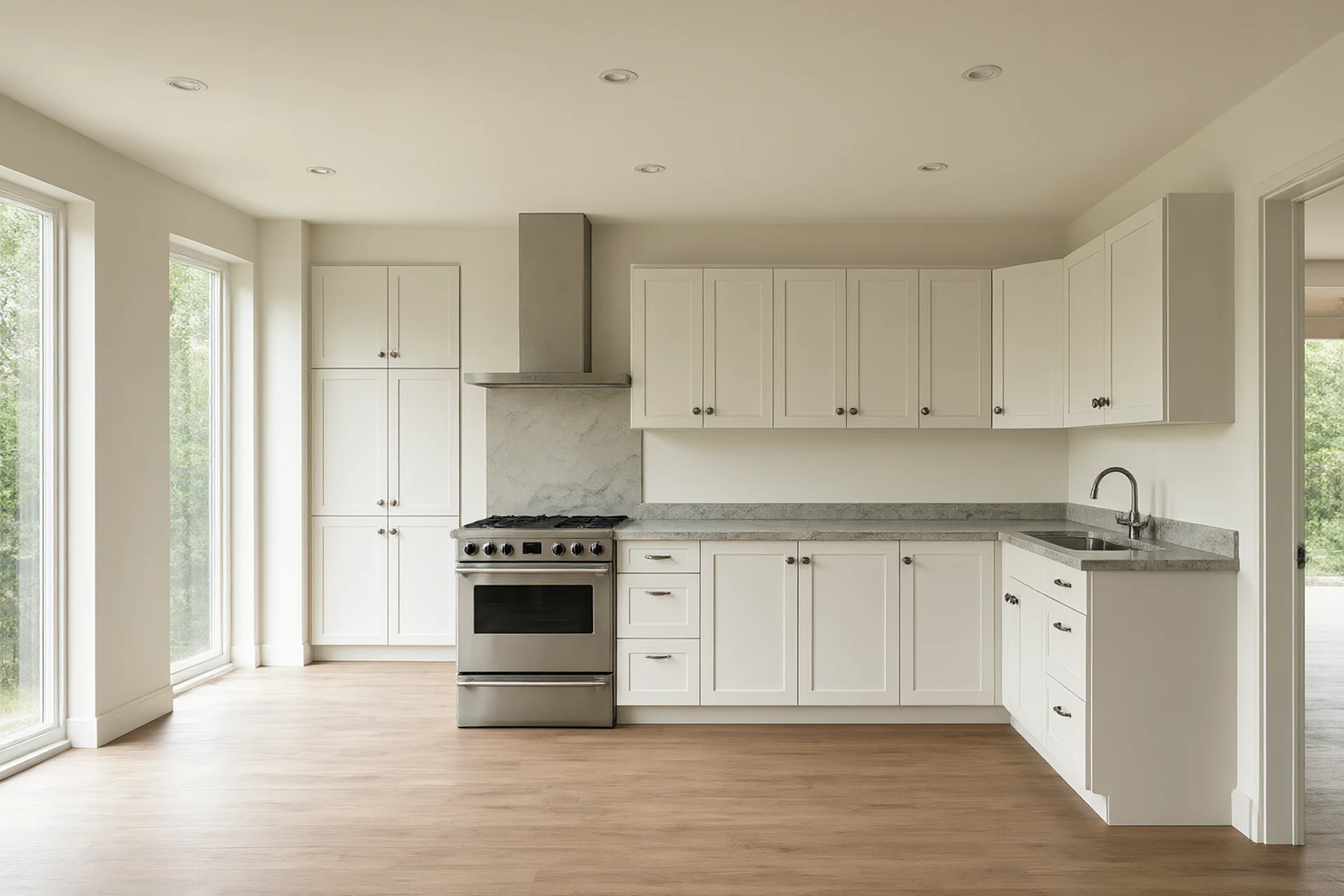
Item-by-item wins for owners with a local site team and time: unit prices stay visible, local substitutions stay possible, and small works never justify a package margin. It wins on single-room refreshes and on trades with named-brand specs. It loses wherever the owner is overseas — a programme reconciled across time zones and five vendors is a project in itself, and nobody bills for it honestly. See Who Specifies Materials in East Africa: 596 Enquiries for the checkpoints that matter here.
5. So which model should the project choose?
Ask one question: who is on site every day? If the answer is the owner’s own team, item-by-item with a normalised quote process works. If the answer is nobody — the owner is in another country — the package buys the coordination the site is missing. Either way, start from the same numbers: the cost guide for ranges and the nine-point audit for whoever holds the contract.
- Compare on the same basis: per m² package against normalised unit prices plus PM hours.
- Check who owns the install sequence before signing either way.
- Keep named-brand trades out of the package as carve-outs.
- Budget the decoration layer at 12–18% of interior spend.
- Overseas owner with no site team: the package buys the missing coordination.
Frequently asked questions
How much does a full interior fit-out package cost?
A standard villa interior package lands at USD 285 to 525 per square metre of built area, a luxury villa at 350 to 700, and a 90 m² city apartment at 180 to 320 — all quoted from delivered projects, FOB Foshan before local installation.
What does a turnkey FF&E package include?
Furniture, fixtures and equipment for the listed rooms: casegoods, seating, lighting, soft furnishings and decor, specified on one material board, supplied, QC-checked, packed and shipped as one package.
Who owns schedule delays under item-by-item procurement?
The owner. Every vendor runs its own calendar, and reconciling five schedules against one programme is project management the owner performs, unpaid and unbudgeted.
How much does splitting an order into several shipments cost?
Splitting one order into three shipments adds USD 2,800 to 4,200 in freight alone and breaks the install sequence on site.
What share of the budget is the decoration package?
The decoration layer runs 12 to 18 percent of total interior spend — USD 28,000 to 46,000 on a 320 m² villa — with the built layer beneath it setting the headline number.
When is item-by-item procurement the better model?
When the owner has a local site team and time: unit prices stay visible, local substitutions stay possible, and small works never justify a package margin.
Send the floor plan, get a package quote
Send your floor plan, room list or BOQ and we return a per-zone package quote — built layer and decoration layer priced separately, typically within one working day. See the cost guide for quoted package ranges or read the turnkey contract guide.
Source reference: ICC Incoterms 2020 rules — the FOB/CIF basis behind every quote.