 INDECO material
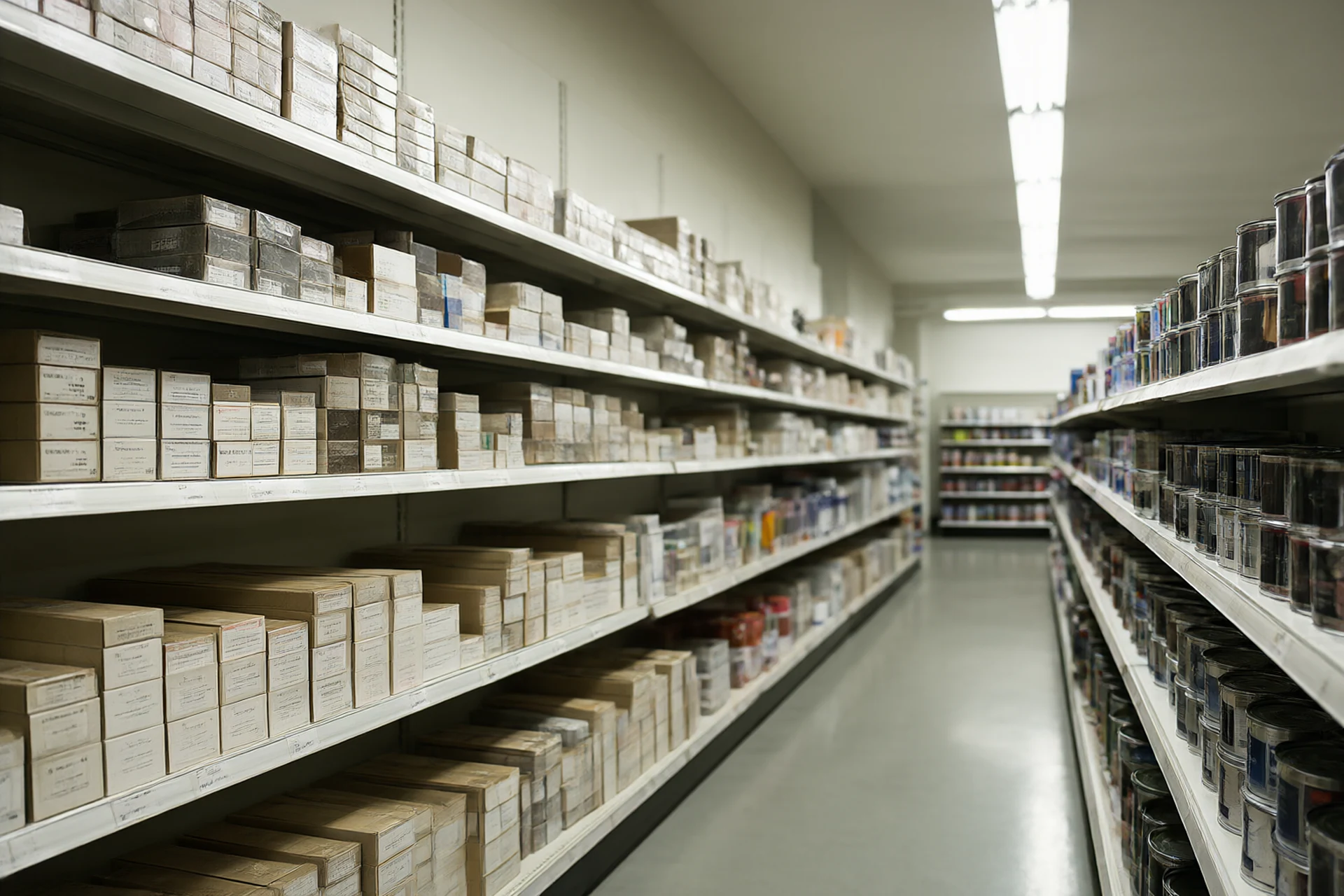
Building Materials Distributor vs Factory Direct
Published: · By Mr.Jankin
A distributor holds stock and adds a margin; a factory makes the material and quotes ex-works. For an Africa or Gulf fit-out the difference shows up in the invoice, the batch and the freight bill. See Who Specifies Materials in East Africa: 596 Enquiries for the checkpoints that matter here.
SHORT ANSWER
A building materials distributor earns its margin by holding stock and breaking bulk — useful for small urgent lots. For project-sized orders the same specification leaves a Foshan factory 35 to 55 percent below local retail, with batch continuity a distributor rebuying on the open market cannot guarantee.
SPECIFICATION FACTS
- 35–55% factory-direct gap vs local retail on the same specification
- USD 390–720 factory price of a three-seater sofa retailing at USD 980–1,400 in Nairobi
- 55–65 m³ capacity of one 40 ft high-cube container
- 18–28 days port-to-port transit to East Africa; 12–20 days to the Gulf
- +USD 2,800–4,200 freight added when one order splits into three shipments
- 1–2 weeks typical local distributor lead time vs 45–60 days production
| Factor | Building materials distributor | Factory direct |
|---|---|---|
| Price basis | Factory price plus distribution margin on every line | FOB Foshan ex-works; no resale layer |
| Stock | Holds inventory; immediate small lots | Made to order; 45–60 days production |
| Batch continuity | Rebuys on the open market; batches can drift | One production line holds the approved batch |
| Category breadth | Broad catalogue across many makers | Deep in one family; partners cover the rest |
| Best for | Urgent top-ups, sub-pallet lots, local spares | Project-sized orders, multi-room packages |
| Freight role | Local delivery only; import is your problem | Consolidated container with one packing list |
1. What does the distribution layer actually cost? (margin layers)
On the same specification the factory-direct gap against local retail runs roughly 35 to 55 percent. A three-seater sofa that retails at USD 980 to 1,400 in Nairobi leaves our Foshan factory at USD 390 to 720 in one-container quantities. A distributor sits inside that spread legitimately — it finances stock, breaks bulk and delivers tomorrow — but a project pays that service on every square metre instead of once. See East Africa Quote-to-Order: Why 135 Quotations Stall for the checkpoints that matter here.
The honest check is quote normalisation: same grade, same finish, same packing, FOB Foshan, one consolidated container. Ranges are figures we have actually quoted, not market averages — see the cost guide.

2. Why batch continuity decides the finish
Glazed porcelain, anodized aluminium and PVDF-coated panels are batch-sensitive: two production runs of the same SKU can differ enough to show as a patchwork on a lobby wall. A factory-direct order locks one batch across the whole schedule; a distributor rebuying between phases cannot promise the same kiln or the same anodizing line. See Wall Panels for Hot Climates: WPC, SPC & ACP Compared for the checkpoints that matter here.
In the Gulf this shows up on tower approvals; in coastal East Africa the 70–90% RH air finds every edge a different-batch panel leaves open. If phases matter, the batch question goes to the maker, not the shelf.
3. Container math: distributor lots versus one consolidation
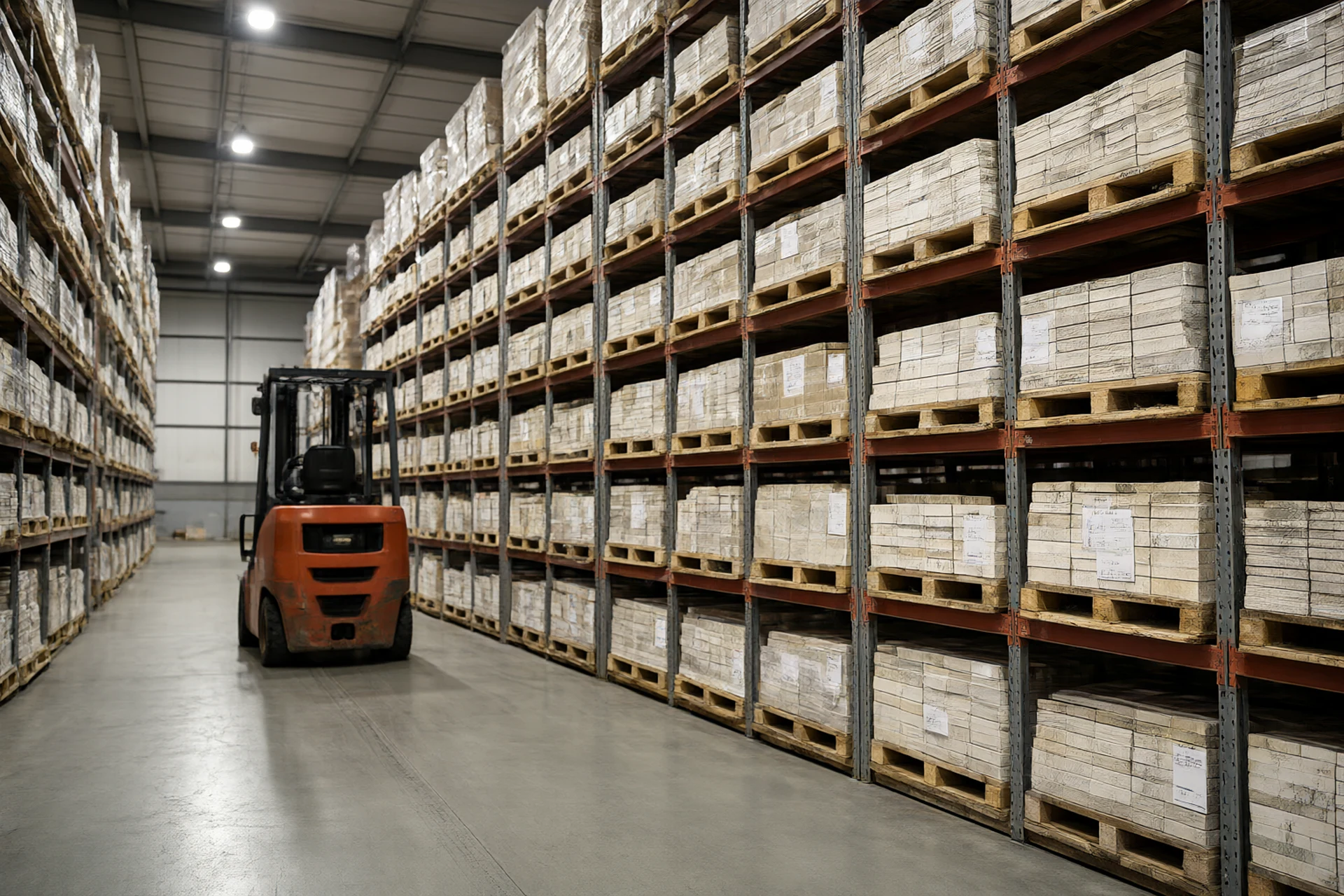
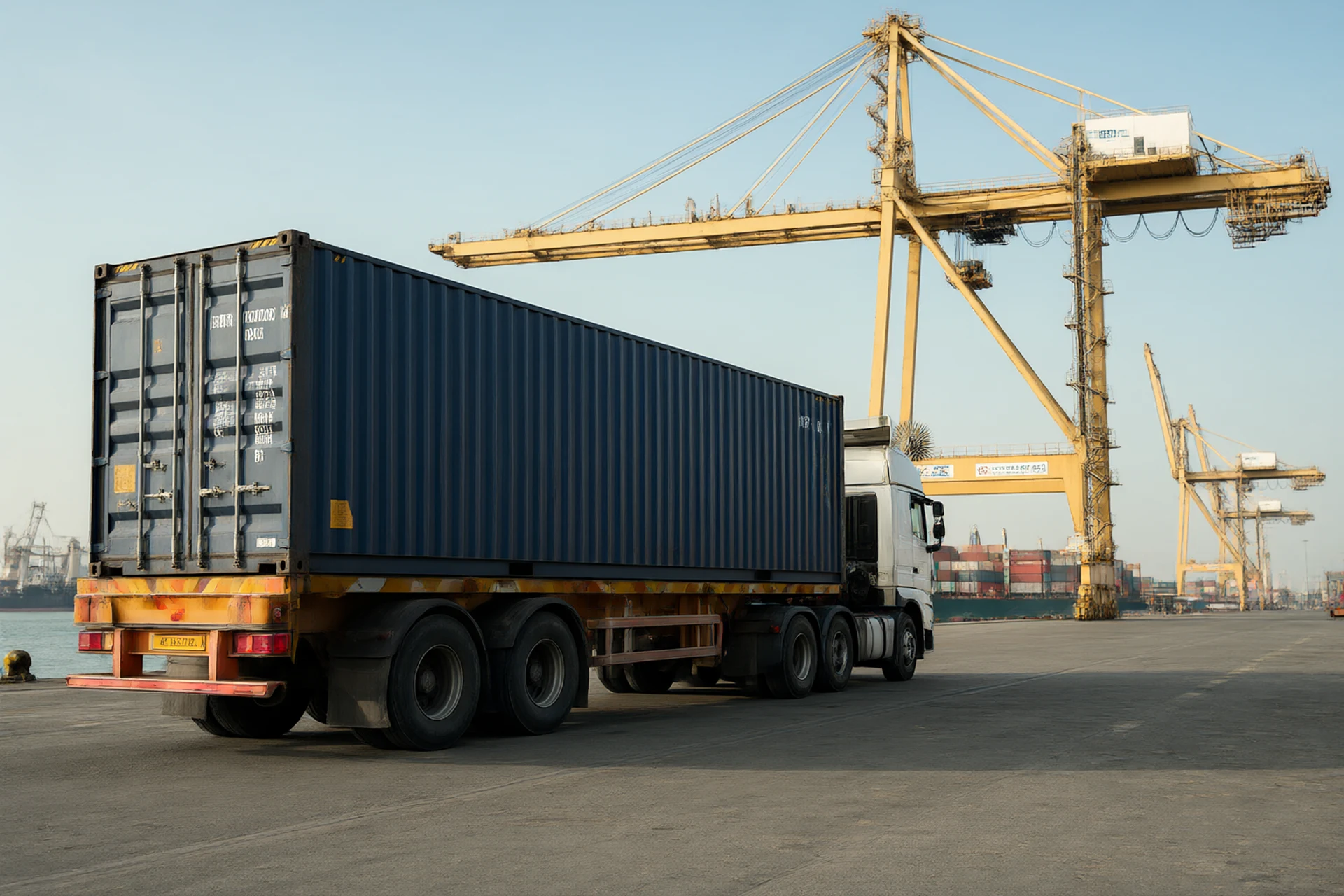
A single 40-foot high cube carries roughly 55 to 65 m³. Buying through a distributor usually means container-loads of one category, then separate shipments for the rest — and splitting one order into three shipments adds USD 2,800 to 4,200 in freight while breaking the install sequence. Factory-direct consolidation loads flooring, panels, cabinetry and furniture as one lot with one packing list, then runs 18 to 28 days port-to-port to East Africa or 12 to 20 days to the Gulf.
4. When the building materials distributor is the right call
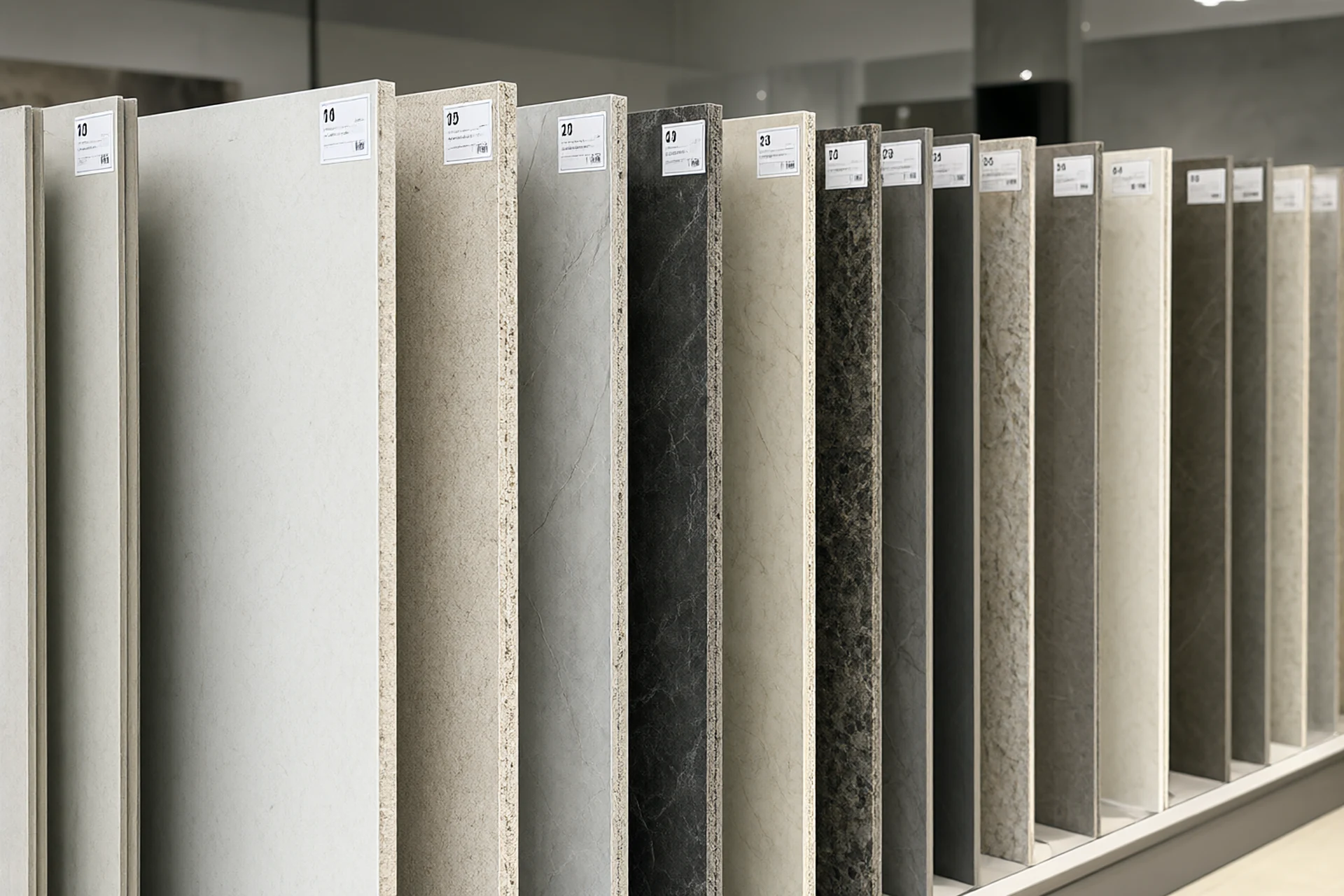
The route is not a verdict. A distributor wins on urgent top-ups: a cracked pane of glass, six extra boxes to close a phase, spare trims needed this week. It wins where MOQ blocks a factory order. It loses on project-sized packages — the margin multiplies across every square metre and the batch question stays open. Multi-category whole-house orders sit between: a one-stop supplier holding factory partners works better than either pure route. See Whole-House Material Packages: What 63 Enquiries Ask For for the checkpoints that matter here.
5. So which route should the project buy through?
Rule of thumb: quantify the lot, then pick the route. Above roughly one pallet per category, factory direct or a one-stop supplier; below it, the distributor’s shelf is worth its margin. Either way, put both quotes on the same normalised basis before deciding — the audit framework in our nine-point supplier audit applies to both routes.
- Normalise both quotes: same grade, finish, packing, FOB Foshan, one container.
- Ask the distributor for the batch number and the maker’s name — in writing.
- Price the freight of three partial shipments against one consolidation.
- Lock batch continuity for phased projects with the factory, not the shelf.
- Keep the distributor for urgent top-ups and local spares after handover.
Frequently asked questions
What margin does a building materials distributor add over factory price?
On the same specification the factory-direct gap against local retail runs roughly 35 to 55 percent; the distributor’s margin sits inside that spread, paying for stock, bulk-breaking and local delivery.
How do I compare quotes from Chinese suppliers fairly?
Normalise every quote to the same basis: material grade, finish, packing standard, FOB Foshan and one consolidated container. Then compare line by line; the spread left is the margin and the risk you are buying.
Is batch continuity guaranteed through a distributor?
No. A distributor rebuys on the open market between phases, so the same SKU can arrive from a different kiln or anodizing line. Batch-locked orders belong with the factory that made the approved batch.
How much does splitting an order into several shipments cost?
Splitting one order into three shipments adds USD 2,800 to 4,200 in freight alone and breaks the install sequence on site. A single 40-foot high cube carries roughly 55 to 65 cubic metres of mixed material.
When is a distributor the better choice?
Urgent top-ups, sub-pallet lots and post-handover spares — cases where factory MOQ and production lead time cannot match the shelf.
Can one Chinese supplier handle a whole hotel's materials?
Yes. A one-stop factory-direct supplier consolidates flooring, wall panels, cabinetry, furniture and fixtures into one PO with one packing list, inspected at the making plants and shipped as a single consolidated container.
Send the BOQ, get factory-direct pricing
Send your room list, BOQ or drawings and we return factory-direct pricing per zone and a consolidation layout for the container — typically within one working day. Read the nine-point supplier audit or see the cost guide for quoted package ranges.
Source reference: Trade Map — bilateral trade data for building materials (ITC).